More than 40 years ago, scientists noticed that adding chemical tags called CpG methylation to DNA near certain genes kept them silent. They found that this tagging happens at the HBG gene promoters, switching off…
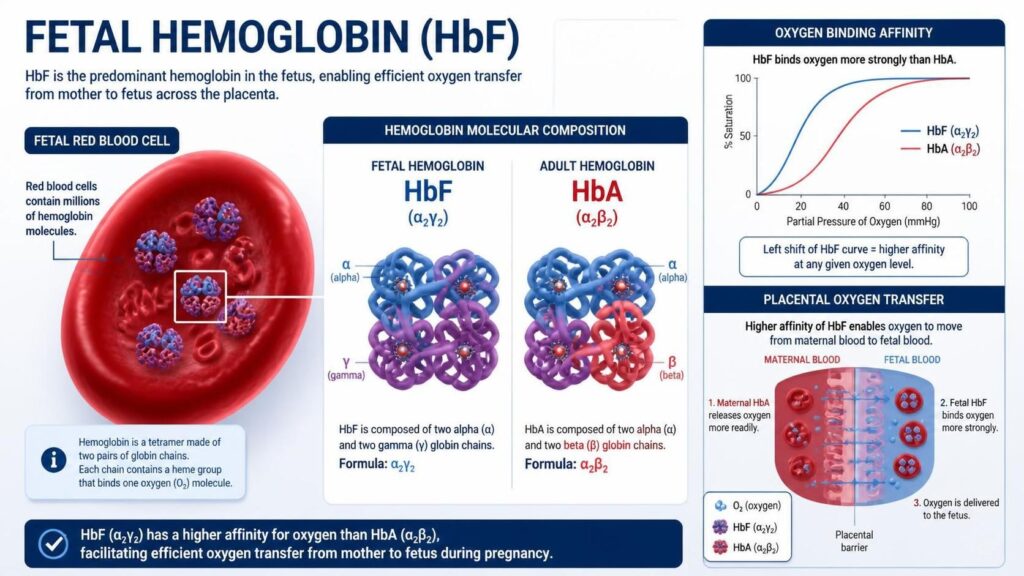
Foetal Haemoglobin: Understanding Its Vital Role Before Birth
Estimated reading time: 4 minutes
Gene silencing plays a big role in many diseases. Recently, scientists made exciting progress that could help people with β-hemoglobinopathies, serious blood disorders caused by faulty adult haemoglobin genes. This new discovery focuses on the foetal haemoglobin gene (HBG), which usually gets turned off after birth but can replace defective adult haemoglobin when reactivated.
The Mystery of Foetal Haemoglobin Silencing
More than 40 years ago, scientists noticed that adding chemical tags called CpG methylation to DNA near certain genes kept them silent. They found that this tagging happens at the HBG gene promoters, switching off the foetal haemoglobin genes. However, it wasn’t clear if these tags simply showed gene silencing or actually caused it.
This question sparked many research studies because if scientists could remove those tags, they might turn the HBG gene back on. This could increase foetal haemoglobin production and help treat diseases like sickle cell anaemia or beta-thalassaemia that affect adult haemoglobin.
The Role of UHRF1 in Gene Silencing
A recent study used a technique called CRISPR/Cas9 screening to search for proteins responsible for silencing HBG. The researchers found that a protein named UHRF1 is crucial in keeping the methylation marks during DNA copying. UHRF1 recruits enzymes like DNMT1 to maintain CpG methylation on newly copied DNA strands. If UHRF1 is removed, these methyl marks fade away and HBG genes switch back on, producing foetal haemoglobin again.
Laboratory Proof Using Human Cells
Using cultured human erythroid cells (cells that produce red blood cells), scientists blocked UHRF1’s function. As a result, they observed significant activation of foetal haemoglobin genes and a drop in DNA methylation around these genes. Specifically, they showed 34% of the promoter regions lost all six key CpG methylations after UHRF1 disruption. They also confirmed this effect in stem cell-derived red blood cell precursors from human donors, making it clear this mechanism works beyond just lab-grown cell lines.
The Epigenetic Switch: How Gene Expression Changes
Methylation and Chromatin Accessibility

Methylation marks act like stop signs for gene activity. In normal cells, high CpG methylation keeps HBG promoters tightly packed with proteins so transcription factors cannot access them easily. Scientists found when UHRF1 was removed, chromatin became more open and accessible near HBG promoters. They saw increased binding of activators like GATA1 and NF-Y to these sites as well as histone modifications linked with active transcription (e.g., H3K4me3). This openness allows cellular machinery to read foetal haemoglobin instructions again.
A Reversible Process That Offers Hope
This work revealed an important detail: restoring these methyl marks reversed the gene activation effects. Researchers used specialised epigenome-editing tools to add back DNA methyl groups at HBG promoters and silenced foetal haemoglobin once more.
Toward Future Therapies for Blood Diseases
This exciting research shines light on how epigenetic regulation controls essential human genes involved in blood formation. Understanding UHRF1’s function creates new treatment avenues focused on controlling CpG methylation rather than altering DNA sequences directly. The next steps include developing drugs or delivery systems that can safely inhibit UHRF1 activity temporarily in patient red blood cell progenitors to boost foetal haemoglobin levels therapeutically. A major benefit is offering hope for those suffering from sickle cell disease and other β-globin disorders without needing risky bone marrow transplants or expensive lifelong treatments.
References
- Bell, H. W., Feng, R., Shah, M., Yao, Y., Douglas, J., Doerfler, P. A., Mayuranathan, T., O’Dea, M. F., Li, Y., Wang, Y., Zhang, J., Mackay, J. P., Cheng, Y., Quinlan, K. G. R., Weiss, M. J., & Crossley, M. (2025). Removal of promoter CpG methylation by epigenome editing reverses HBG silencing. Nature Communications, 16(1), 6919. https://doi.org/10.1038/s41467-025-62177-z
- Ratanasopa K, Strader MB, Alayash AI and Bulow L (2015) Dissection of the radical reactions linked to foetal haemoglobin reveals enhanced pseudoperoxidase activity. Front. Physiol. 6:39. doi: 10.3389/fphys.2015.00039
- Author
- Latest Posts

I’m a web developer and science writer with a Master’s degree in Computer Applications (MCA) from Pune University.
I work in tech, building websites and staying updated with the latest developments. I also love writing about physics, chemistry, technology, robotics, mathematics, and breakthrough innovations. My passion is breaking down complex scientific topics into simple, easy-to-understand stories.
My goal is to help everyone stay informed about the exciting changes happening in science and technology. I believe understanding science shouldn’t be complicated—it should be accessible to all.