this study demonstrates the power of imaging and spectroscopy techniques in understanding fossilisation processes and biomineralisation as a Top 10 Paleontology innovation in 2025
Imaging and Spectroscopy Techniques in Biomineralization Research
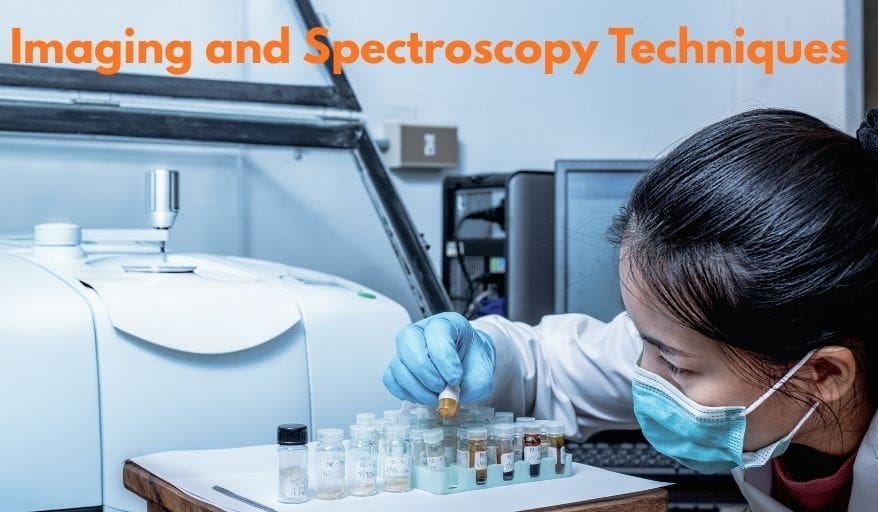
Basics of imaging and spectroscopy techniques has been identified. It is applied to characterize fossilization processes.
It presents advanced, non‑destructive imaging and spectroscopy methods—including ion luminescence, UV fluorescence, X‑ray radiography, XRF, and micro‑Raman—to reveal fossil composition and internal structures without damage. The study refines protocols for fossil characterization, disentangles mineralization pathways, and improves understanding of fossilization and biomineralization processes.
Key takeaways
- Uses non-destructive imaging like X-ray and UV fluorescence to study fossils.
- Applies spectroscopy techniques (XRF, micro-Raman) to identify chemical composition.
- Reveals biomineralization pathways in fossils.
- Improves understanding of fossilization processes.
- Provides advanced protocols for accurate, damage-free fossil analysis
Practical Application in Day-to-Day Life
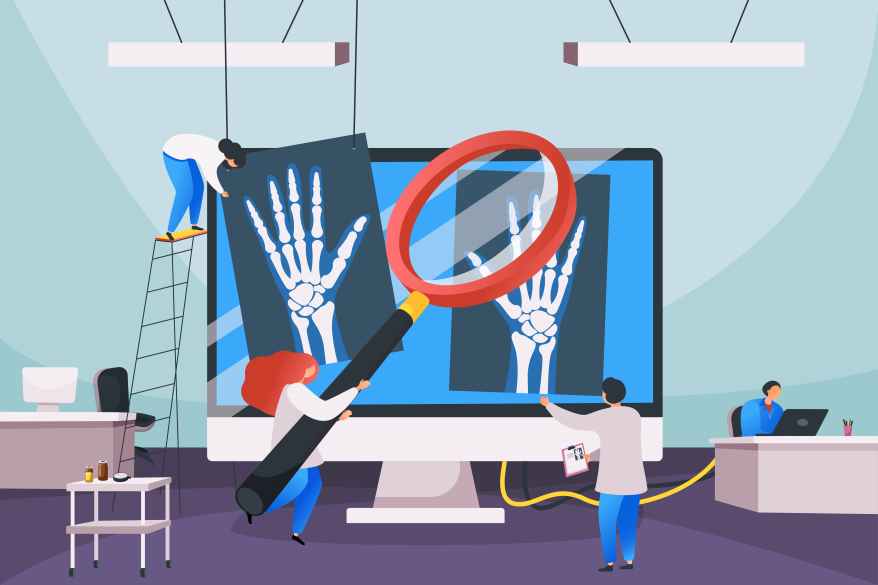
Museums analyze fossils without damage. This enhances science learning. It boosts public engagement. Archaeologists assess ancient artifacts and bones. These methods benefit materials science for bio-inspired materials. Research gains accurate, non-destructive tools. These techniques guide studies in education, conservation, and technology
They reveal broad applications beyond research. Environmental scientists monitor ecosystems. Forensic experts analyze bones. These methods enable safer material analysis. They bridge research, education, and applied science despite technical challenges
Commercialization Prospectus
To begin with, imaging and spectroscopy techniques for fossilization processes and biomineralization offer commercialization opportunities across education, research, and industry. Despite being primarily scientific tools, museums and science centers develop interactive exhibits, digital models, and AR experiences. On the contrary, academic publishers and edtech companies create learning modules and virtual labs. As a result, instrument manufacturers market user-friendly equipment for fossil studies.
Henceforth, imaging and spectroscopy techniques for fossilization processes and biomineralization will support interdisciplinary applications and revenue streams as a Top 10 Paleontology innovation in 2025. At last, the study demonstrates how research translates into marketable solutions. Additionally, these techniques enable consulting services in archaeology, paleontology, and materials science, creating profitable products that enhance scientific literacy, preserve heritage, and advance environmental sciences.
Educational and Career Opportunities
This research supports careers in paleontology, geoscience, analytical chemistry, and imaging technology using imaging and spectroscopy techniques for fossilisation processes and biomineralisation. Students learn advanced methods, leading to roles in research labs, museums, archaeology, and materials science as a Top 10 Paleontology innovation in 2025. It fosters interdisciplinary skills in data analysis, conservation science, and scientific communication.
Conclusion : Basics of imaging and spectroscopy
To summarize, this study demonstrates the power of imaging and spectroscopy techniques in understanding fossilization processes and biomineralization as a Top 10 Paleontology innovation in 2025. As can be seen, researchers apply X-ray radiography, UV fluorescence, XRF, and micro-Raman spectroscopy non-destructively. On the contrary, these methods reveal internal structures and chemical compositions that traditional approaches overlook. In particular, they illuminate mineral replacement in organic tissues. Henceforth, insights into biomineralization pathways enhance fossil analysis despite technical complexities.
The integration of multiple analytical methods allows for cross-validation of results, ensuring accuracy and reliability. The study also establishes protocols that are reproducible and adaptable for various fossil types, enhancing their utility across paleontology, archaeology, and materials science. Beyond academic research, these methods have practical applications in museums, conservation, environmental monitoring, and education, making them highly versatile.
In conclusion, imaging and spectroscopy provide a comprehensive framework to explore fossil structure, composition, and preservation mechanisms, advancing both fundamental science and applied studies. By combining non-destructive techniques with detailed chemical analysis, the research not only deepens understanding of past life but also informs modern scientific, educational, and technological endeavors, bridging ancient biomineralisation with contemporary applications.
FAQs
What is the main focus of the study?
It applies imaging and spectroscopy techniques to understand fossilization and biomineralization processes.
Which techniques are highlighted?
X-ray radiography, UV fluorescence, XRF, and micro-Raman spectroscopy.
Why are these techniques important?
They allow non-destructive analysis of fossil structures and chemical composition.
Additionally, to stay updated with the latest developments in STEM research, visit ENTECH Online. Basically, this is our digital magazine for science, technology, engineering, and mathematics. Also, at ENTECH Online, you’ll find a wealth of information.
Reference
Oses, G. L., Belatto, S. L., Limeira, S. C. M., Junior, Santos, T. P. D., Rodrigues, C. L., Prado, G. M. E. M., Dias, J., De Souza Carvalho, I., Da Silva, T. F., & De Almeida Rizzutto, M. (2025). Imaging and spectroscopy techniques applied to characterise fossilisation processes and biomineralisation. Frontiers in Ecology and Evolution, 13. https://doi.org/10.3389/fevo.2025.1669055
- Author
- Latest Posts

I completed my Master of Science from the University of Allahabad in 2017 with a strong academic background in life sciences and chemistry. My specialization included Molecular Biology, Microbiology, Genetics, Plant Breeding, Phycology, Paleobotany, and Bioinformatics, along with Organic Chemistry, Inorganic Chemistry, and Physical Chemistry. This multidisciplinary training provided me with a comprehensive understanding of biological systems and analytical scientific approaches.
After completing my postgraduate studies, I gained valuable professional experience in both the education and social development sectors. I worked at A.M. Oxford Public School, where I was actively involved in guiding students toward academic excellence. In this role, I focused on creating an engaging learning environment, encouraging critical thinking, and nurturing students’ curiosity for scientific learning. My experience as an educator strengthened my communication, mentoring, and classroom management skills.
In addition to my teaching experience, I worked with Jeevan Jagriti Foundation, where I contributed to community-based initiatives aimed at improving educational access and awareness among underprivileged sections of society. Through this work, I participated in programs designed to support social development and promote the value of education in marginalized communities.
These professional experiences helped me develop strong interpersonal, leadership, and organizational skills while reinforcing my commitment to education and community service.