A new plasma reactor converts toxic oilfield gas into hydrogen, sulfur, and industrial chemicals, offering a cleaner solution for handling associated petroleum gas.
Plasma Reactor Turns Oilfield Gas Into Valuable Chemicals
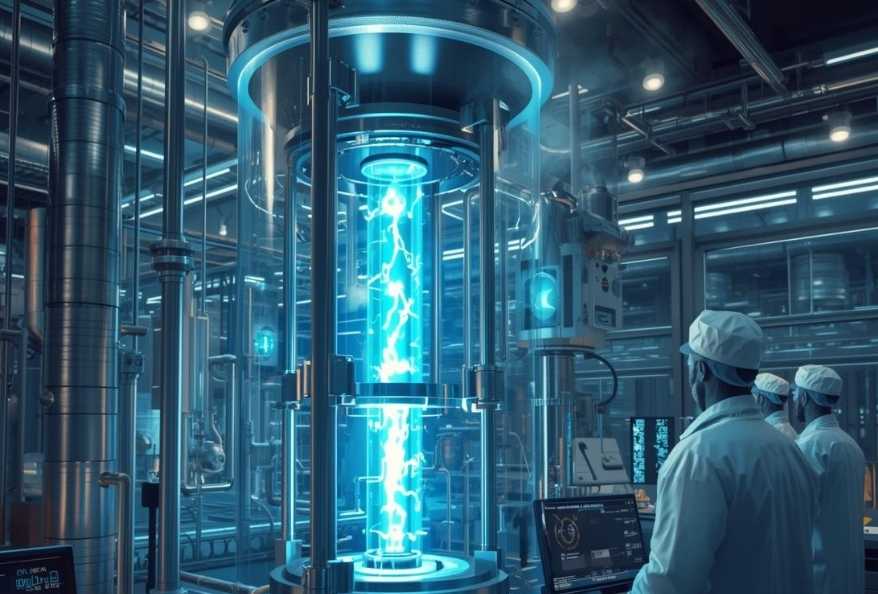
Oil production often releases associated petroleum gas, which contains harmful components such as hydrogen sulfide and carbon dioxide. Scientists are now using a plasma reactor to solve this growing environmental problem. These gases can pollute the air and contribute to serious environmental damage if they are burned or released into the atmosphere.
However, researchers recently developed a new plasma reactor system that can transform this waste gas into useful chemical products. Instead of flaring the gas, the technology converts it into valuable materials such as hydrogen and industrial chemicals. As a result, this approach could help both the energy industry and the environment.
The Problem with Oilfield Gas
When companies drill for oil, they frequently encounter gas trapped in the same underground reservoirs. This gas mixture contains several harmful compounds.
For example, hydrogen sulfide is extremely toxic and corrosive. Carbon dioxide also contributes to greenhouse emissions. Because these gases are difficult to process, some operations burn them off or release them into the atmosphere.
Therefore, scientists have been searching for technologies that can convert these pollutants into something useful. This challenge led researchers to explore the capabilities of a plasma reactor.
How the Plasma Reactor Works
The new system uses a hybrid device called a cavitation-jet plasma reactor. The process combines hydrodynamic cavitation with an electric arc discharge.
First, the reactor pulls in the contaminated gas along with water vapor. Next, high-speed water flow inside the reactor forms tiny vapor bubbles. These bubbles collapse rapidly, creating intense energy zones.
At the same time, an electric arc produces plasma inside the reactor. Plasma is often described as an energized state of matter where atoms break into charged particles. Because of this high energy environment, gas molecules split into highly reactive fragments.
Eventually, these fragments recombine into new chemical products. This reaction occurs without expensive catalysts, which helps reduce operational costs.
Valuable Products Created by the Plasma Reactor
The chemical reactions inside the plasma reactor generate several useful products.
Hydrogen Fuel
One major product is hydrogen gas. Hydrogen is considered a clean fuel because it produces only water when used in fuel cells.
Solid Sulfur
The process also converts hydrogen sulfide into solid sulfur. Sulfur has many industrial applications, including fertilizer production and chemical manufacturing.
Industrial Chemicals
Researchers also detected several liquid compounds, including:
- Methanol
- Ethanol
- Acetone
- Acetonitrile
These chemicals are widely used in manufacturing, pharmaceuticals, and energy industries.
Why This Technology Matters
Energy companies face increasing pressure to reduce pollution and carbon emissions. Technologies that convert waste gases into useful materials can play an important role in addressing this challenge.
The plasma reactor offers several advantages:
- Reduces toxic emissions
- Converts waste gas into valuable products
- Requires fewer costly catalysts
- Potentially lowers environmental impact
Because of these benefits, the technology could help energy companies handle associated gas more sustainably.
The Role of Hydrodynamic Cavitation in Plasma Reactor
Hydrodynamic cavitation plays a critical role in the reactor’s operation. When liquid moves rapidly through a specially designed nozzle, pressure drops and tiny vapor bubbles form.
Soon afterward, these bubbles collapse violently. This collapse releases intense localized energy that helps break apart gas molecules.
Meanwhile, the electric arc strengthens the reaction environment. Together, cavitation and plasma create the conditions necessary for rapid chemical transformations.
Water Vapor and Reactive Radicals
Water vapor also contributes significantly to the process. When plasma interacts with water molecules, it produces highly reactive radicals such as hydroxyl species.
These radicals attack toxic molecules like hydrogen sulfide and carbon dioxide. Consequently, the reactions form safer and more valuable compounds. In many cases, the carbon is captured as solid material rather than released as emissions.
Environmental Benefits of Plasma Reactor
Traditional handling of associated gas often involves flaring or venting. Both methods release harmful gases into the atmosphere.
In contrast, the plasma reactor converts these gases into stable chemical products. This process may reduce pollution while simultaneously generating materials that industries can reuse.
Furthermore, producing hydrogen through this method could support the development of cleaner energy systems.
Future Applications
Although the technology is still under study, the early results are promising. Researchers believe the system could eventually be installed near oil extraction sites.
Possible applications include:
- On-site gas treatment at oilfields
- Hydrogen production for energy systems
- Recovery of industrial chemicals
- Reduction of harmful gas emissions
With continued development, plasma-based reactors may become a key tool in cleaner energy production.
Final Thoughts on Plasma Reactor
Scientists have demonstrated a powerful way to transform problematic oilfield gas using a plasma reactor. By combining cavitation technology with electric arc plasma, the system breaks down harmful gases and converts them into valuable chemicals.
The process produces hydrogen, sulfur, and several industrial compounds while reducing pollution. Although further research is needed, this innovation shows how advanced chemical engineering can turn waste into useful resources.
Additionally, to stay updated with the latest developments in STEM research, visit ENTECH Online
Reference
- Mamytbekov, G., Danko, I., Bekbayev, A., Titkov, V., & Nurtazin, Y. (2026). Hybrid Cavitation-Jet and Arc Discharge Technology for Processing Associated Petroleum Gas. Technologies, 14(3), 174. https://doi.org/10.3390/technologies14030174
- Author
- Latest Posts

Kottauppari Venkat Raghava
I am a technology-driven IT graduate with a strong passion for science and innovation. I am fascinated by how innovations like artificial intelligence, robotics, and emerging technologies are shaping our world. I specialize in analyzing complex scientific and technological research and presenting it in a clear, accessible way. My goal is to make science and technology understandable and engaging for students, tech enthusiasts, and professionals alike. By breaking down advanced concepts into simple, insightful narratives, I strive to inspire curiosity, learning, and innovation, helping readers stay informed about the breakthroughs that are shaping the future.