The new study explores the ways of shaping taxonomic and functional diversity in tropical lakes by examining land-use intensity.
Land-use gradients shaping taxonomic and functional diversity in tropical lake ecosystems
For shaping taxonomic and functional diversity, imagine building gadgets that clean our air and water. Eco-friendly materials make this real. A new study shows how these sustainable materials fight pollution. As a result, they open doors in STEM fields. In fact, researchers now focus on nanotechnology to create green solutions. The paper published on this study explores biopolymers and nanocellulose. These come from nature and break down without harm. For example, scientists use them to remove toxins from soil. A bibliometric analysis reviewed 545 studies from 1999 to 2023. As can be seen, interest in these materials is growing fast. In general, they cut greenhouse gases. By comparison, old materials waste resources.
What Are These Cool Materials?
Eco-materials change how we build things. They use less energy. Seeing that, industries love them. Biomimicry copies nature’s designs. Think spider silk for strong fabrics. 3D printing shapes them quickly. Therefore, this saves time and money.
Green Materials in Action
Bio composites mix plant fibers with plastics. Cars now use them for lighter parts. This reduces fuel use. In like manner, homes get walls from recycled waste. Provided that we recycle more, pollution drops.
Nanotech’s Big Role
Nanotechnology shrinks materials to tiny sizes. They are capable of cleaning water better.
Shaping taxonomic and functional diversity: Future
You love science experiments. This research inspires bigger ones. Sustainable engineering solves real problems. On one hand, climate change threatens us. On the other, these materials fight back. To sum up, they promote a circular economy. That means reuse, not waste.
Prior to college, schools are also teaching eco-design now. For instance, projects to build models from green stuff. Online courses start early. At the present time, universities offer free intros. Clubs like robotics, also, use these ideas.
Hands-On Learning Fun
Try making a simple filter from natural fibers. It shows how Eco materials work. In due time, this skill leads to internships. Labs need young helpers. They also help you gain experience.
Jump into STEM Careers
Careers in this field boom. Engineers design green products. Scientists test new mixes.
To list a few careers: roles in recycling firms or energy companies exist. In reality, pay starts high after degree. For example, a materials expert earns well. Balanced against that, the work helps the planet.
Education Paths to Follow
Start with high school science. Then, pick majors like environmental engineering. In contrast, some choose chemistry. Sooner or later, grad school adds skills.
Opportunities Waiting Now
Internships exist at green firms. At least, summer programs teach basics. In light of this, build your resume early.
Governments support research and grants fund student projects.
Conclusion-Shaping taxonomic and functional diversity
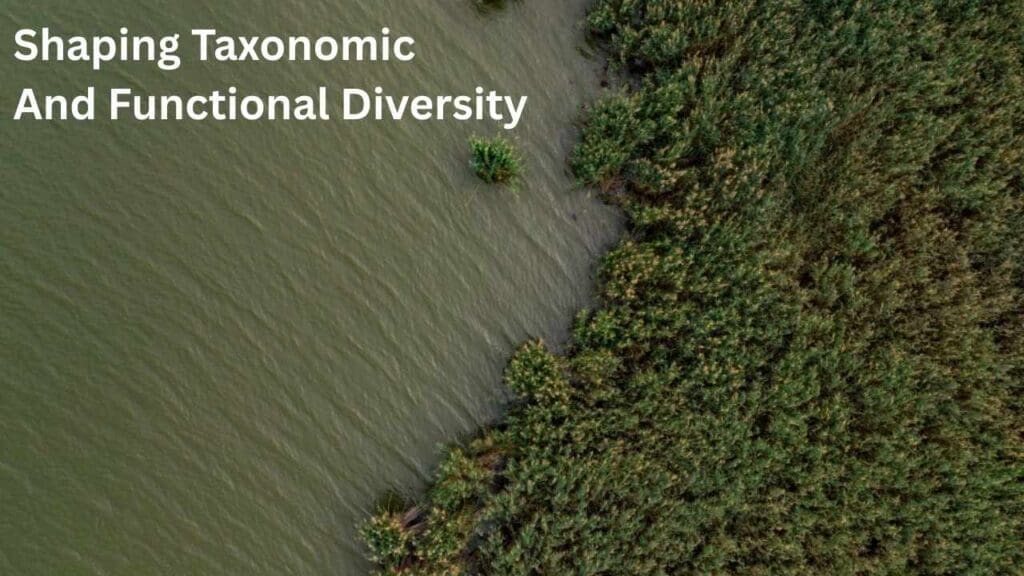
In this study of 98 tropical lake ecosystems, the researchers found that both out-lake and in-lake environmental factors interactively shape zooplankton taxonomic and functional diversity. Landscape-scale variables such as lake morphology (e.g., perimeter-to-volume ratio), catchment land use, and precipitation were particularly influential, often amplifying the impacts of external nutrient and pollutant inputs, while local limnological conditions mediated these effects. Ultimately, lakes more susceptible to allochthonous inputs due to extensive water-land contact and intense rainfall showed lower biodiversity and functional homogenization. Therefore, underscoring the need for comprehensive management strategies that consider multi-scalar environmental drivers to protect freshwater biodiversity.
In conclusion, this study lights the way. Eco-friendly materials offer hope. They also spark STEM paths for you. Get involved today. Your ideas can shape tomorrow.
Additionally, to stay updated with the latest developments in STEM research, visit ENTECH Online.
Reference
Setubal, R. B., Sena, O., Cabral, C. R., Nobre, R. L. G., Quesado, L. B., Bozelli, R. L., Guariento, R. D., Carneiro, L. S., & Caliman, A. (2026). Shaping taxonomic and functional diversity in tropical lakes: out-lake factors set the stage across waterscapes. Environmental Science and Pollution Research. https://doi.org/10.1007/s11356-026-37554-w
- Author
- Latest Posts

I completed my Master of Science from the University of Allahabad in 2017 with a strong academic background in life sciences and chemistry. My specialization included Molecular Biology, Microbiology, Genetics, Plant Breeding, Phycology, Paleobotany, and Bioinformatics, along with Organic Chemistry, Inorganic Chemistry, and Physical Chemistry. This multidisciplinary training provided me with a comprehensive understanding of biological systems and analytical scientific approaches.
After completing my postgraduate studies, I gained valuable professional experience in both the education and social development sectors. I worked at A.M. Oxford Public School, where I was actively involved in guiding students toward academic excellence. In this role, I focused on creating an engaging learning environment, encouraging critical thinking, and nurturing students’ curiosity for scientific learning. My experience as an educator strengthened my communication, mentoring, and classroom management skills.
In addition to my teaching experience, I worked with Jeevan Jagriti Foundation, where I contributed to community-based initiatives aimed at improving educational access and awareness among underprivileged sections of society. Through this work, I participated in programs designed to support social development and promote the value of education in marginalized communities.
These professional experiences helped me develop strong interpersonal, leadership, and organizational skills while reinforcing my commitment to education and community service.