Top 10 Botany Discoveries in 2025





Top 10 Botany Discoveries in 2025
The year 2025 marks a turning point for plant science and sustainable agriculture. Researchers are finding new ways to feed the world while protecting the planet. This list highlights the Top 10 Botany Discoveries in 2025. These breakthroughs focus on genetic precision, soil health, and biodiversity.
Enhanced Soybean Protection via Additive Interaction
Scientists found a new way to fight fungal diseases in soybean crops. They studied the NCR13 peptide and its effects on pathogens. This peptide shows a strong additive interaction when mixed with standard fungicides. Prior to this, farmers relied mostly on heavy chemical sprays. Now, they can use less chemicals while keeping plants healthy. This discovery helps prevent Frogeye Leaf Spot effectively. To illustrate, the peptide disrupts fungal membranes and protects the leaves.
Multiplex CRISPR Editing for Safer Medicine
A major breakthrough involves multiplex CRISPR editing in tobacco plants. Researchers successfully edited seven genes at the same time. This process creates Cas9-free glycoengineered plants. These plants do not have specific sugar tags that cause immune reactions in humans. At the present time, these plants act as bio-factories for vaccines. Seeing that the plants are transgene-free, they are safer for medical use. All in all, this makes therapeutic protein production much more affordable.
Improving Nitrogen Efficiency in Sunflowers
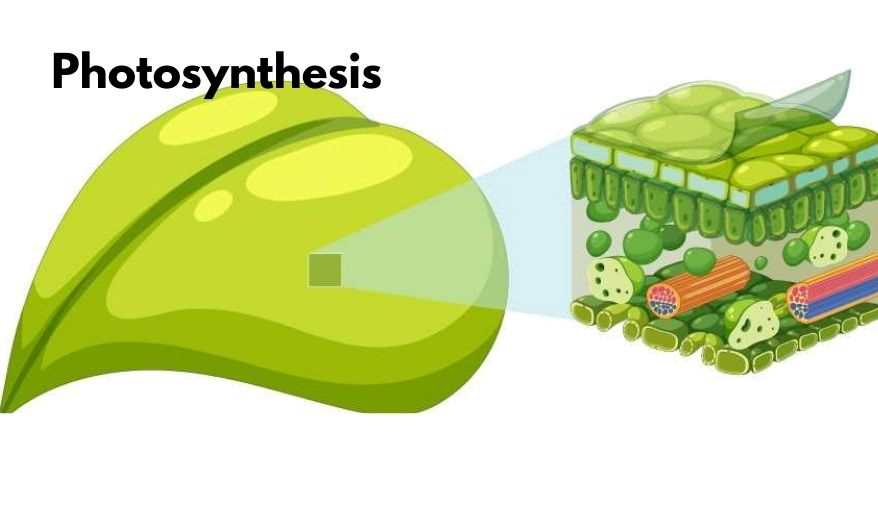
Improving nitrogen efficiency is vital for modern farming. Scientists are now optimizing photosynthesis to help sunflowers use nitrogen better. This discovery allows sunflowers to grow larger with less fertilizer. Prior to this study, high nitrogen runoff often polluted nearby water sources. To explain, the new method boosts the plant’s internal recycling system. As a result, farmers see higher yields and lower costs. This is a key step toward sustainable sunflower oil production.
Multi-functional Hydrogels for Soil Health
Water scarcity is a global threat to food security. To point out a solution, researchers developed multi-functional hydrogels. These materials can absorb over 5000% of their weight in water. What’s more, they release fertilizers slowly over several weeks. These hydrogels also remove heavy metals like lead from the soil. While this may be true, the hydrogels are also fully biodegradable. To sum up, they provide a one-stop solution for drought and pollution.
5. NAC Transcription Factors Control Seed Germination
Researchers identified the TaNAC018-7D gene in wheat. This NAC transcription factor controls when a seed starts to grow. At this point, it is used to prevent pre-harvest sprouting. This happens when seeds germinate too early during rainy weather. To put it differently, the gene acts as a biological switch for dormancy. Farmers can now grow wheat that survives humid harvests. With this intention, the discovery stabilizes the global grain supply.
Metabolites and the Functional Rhizobiome
Plants use chemicals to talk to microbes in the soil. A study on metabolites and rhizobiome functions revealed how this works. Plants release specific molecules like trimethyllysine to attract helpful bacteria. So far, researchers have used this to improve drought tolerance in grasses. The microbes help the roots stay hydrated and healthy. In like manner, this discovery allows for custom soil treatments. This helps crops thrive even in very dry conditions.
Plant Growth-Promoting Bacteria as Catalysts
Using plant growth-promoting bacteria is a green alternative to chemicals. New research shows these bacteria act as a catalyst for growth. They help crops like quinoa and millet survive extreme heat. At the same time, the bacteria improve nutrient uptake from the soil. By and large, this synergy creates climate-resilient farming systems. This is especially useful for farmers working on marginal lands. All things considered, these microbes are essential for future food security.
Mapping Useful Plants in Uganda
Uganda has a vast variety of useful plants that support local communities. Researchers mapped over 1,000 species used for food and medicine. They identified IPA hotspots to prioritize conservation efforts. Prior to this, many of these species faced extinction from habitat loss. To list a few, plants like Prunus africana are vital for health. In essence, this study protects both biodiversity and traditional knowledge. To that end, it secures resources for future generations.
Value Creation in Medicinal and Spice Plants
The trade of medicinal and spice plants is growing in the Himalayas. A 2025 study focused on value creation in this sector. It shows how local farmers can improve their income through better processing. For the most part, solar drying and quality grading increase the product’s worth. So long as sustainable harvesting is used, the market remains stable. To repeat, this discovery links economic growth with forest preservation. It provides a roadmap for fair trade in herbal medicine.
Biodiversity Conservation via Forest Restoration
Restoring forests is about more than just planting trees. New models for biodiversity conservation focus on native species. The Surya-Kunj model in the Himalayas shows a high survival rate for local plants. In contrast to older methods, it encourages natural regeneration. With this in mind, the restored forests support hundreds of medicinal species. All in all, this approach creates self-sustaining ecosystems. It also provides new career paths in ecological management.
Top 10 Botany Discoveries in 2025: Summary
These ten discoveries show that botany is moving toward a tech-driven future. Analogous to medical science, plant science now uses precise gene tools. In similar fashion, soil health is being managed with smart materials. At last, we are seeing a balance between human needs and nature. So as to meet the challenges of 2025, these innovations are crucial. To sum up, botany is leading the way in global sustainability.