The study developed a novel multi-functional hydrogels (AC‑PVA‑CMC) by incorporating activated charcoal and urea into a polyvinyl alcohol–carboxymethyl cellulose
Multi-functional Hydrogels in Soil Amendment
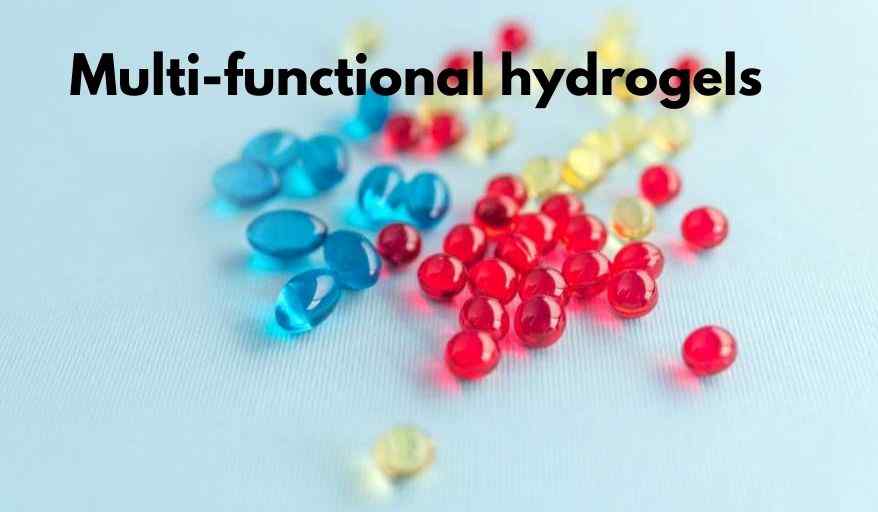
The study developed a novel multi-functional hydrogels (AC‑PVA‑CMC) by incorporating activated charcoal and urea into a polyvinyl alcohol–carboxymethyl cellulose matrix crosslinked with epichlorohydrin, which exhibited an exceptionally high water absorption capacity (~5691 %) and enhanced structural integrity and thermal stability.
M. S. Arjun, S. Haripriya, R. Vishnu, Santhoshkumar A. V., and M. C. Anish (2025) conducted the study and published it under the title “Multi-functional hydrogels for sustainable agriculture: Controlled fertilizer release, pollution control, and drought resilience” in 1 October 2025.
ENTECH STEM Magazine has included this research in its list of the Top 10 Botany Discoveries of 2025
This hydrogel not only facilitated controlled release of urea, improving nutrient use efficiency, but also significantly increased soil moisture retention, maintaining about 77 % relative water content (RWC) in Swietenia macrophylla seedlings under drought conditions after 21 days. Additionally, it demonstrated 97 % removal efficiency for Pb²⁺ ions, indicating strong potential for pollution remediation, and showed biodegradability, supporting long‑term environmental compatibility. Preliminary experiments with rice seedlings further suggest its potential as a slow‑release nutrient carrier, offering a multifunctional material solution for sustainable agriculture that simultaneously enhances water retention, nutrient delivery, and heavy metal remediation.
Practical application in day to day life
Multi-functional hydrogels enhance everyday farming by releasing fertilizers slowly, reducing pollution runoff, and improving drought resistance in crops. Farmers use less water and chemicals daily, leading to healthier soils and reliable harvests. This supports affordable food for consumers while cutting environmental waste.
Water Savings
Gardeners and small farmers mix multi-functional hydrogels into soil to hold moisture for weeks, skipping frequent watering during dry spells. This simplifies home gardening and boosts vegetable yields without extra effort.
Nutrient Efficiency
Multi-functional Hydrogels encase fertilizers, releasing them as plants need, so less leaches into groundwater. Daily, this means fewer applications and cleaner rivers near farms.
Crop Protection
In rainy regions, multi-functional hydrogels not only prevent soil erosion and at the same time reduce nutrient loss, thereby stabilizing yields for staple crops such as rice and corn. Moreover, home gardeners can use them for balcony farms, ensuring that they consistently harvest fresh produce.
Educational opportunities
Multi-functional hydrogels advance sustainable agriculture through controlled fertilizer release, pollution control, and drought resilience. Students and researchers can explore these via hands-on university courses and labs.
Curriculum Integration
Courses in agronomy and materials science teach Multi-functional hydrogels synthesis and soil application. Experiments demonstrate slow-release fertilizers, reducing runoff by up to 50% while boosting crop yields in dry conditions.
Lab Training
University programs offer practical sessions on Multi-functional hydrogels testing for water retention. Techniques include spectroscopy for pollutant adsorption and field trials for drought stress simulation.
Career oppurtunities
Multi-functional hydrogels advance sustainable agriculture through controlled fertilizer release, pollution control, and drought resilience. Career opportunities abound in research, industry, and academia for experts in materials science and agronomy.
Research Positions
Postdoctoral fellowships focus on Multi-functional hydrogels development for agriculture, such as at Mohammed VI Polytechnic University, involving bio-based formulations for water retention and nutrient delivery. PhD roles explore water management and soil health applications at institutions like Sveriges Lantbruksuniversitet.
Industry Roles
Ag-tech companies seek R&D engineers and scientists for Multi-functional hydrogels chemistry, including fertilizer encapsulation and field trials, with positions at firms like those listed on Indeed and ZipRecruiter. Research associates at New Mexico State University work on seaweed-based hydrogels for root dynamics and sustainable farming.
Conclusion
The study successfully developed a novel multi-functional hydrogels (AC‑PVA‑CMC) that integrates high water‑absorption capacity, controlled fertilizer release, heavy metal remediation, and drought resilience into a single system. Experimental results showed that the hydrogel significantly improved soil moisture retention, maintained high relative water content under drought stress, and enabled controlled urea release, thereby enhancing nutrient use efficiency. Additionally, the material demonstrated 97 % removal efficiency for Pb²⁺ ions and exhibited biodegradability, indicating long‑term environmental compatibility. Preliminary plant trials further suggest its potential as a slow‑release nutrient carrier in agricultural settings. Overall, this multifunctional hydrogel represents a promising sustainable agricultural technology capable of addressing multiple challenges—such as water scarcity, nutrient loss, and soil pollution—simultaneously in crop production systems.
Additionally, to stay updated with the latest developments in STEM research, visit ENTECH Online. Basically, this is our digital magazine for science, technology, engineering, and mathematics. Also, at ENTECH Online, you’ll find a wealth of information.
Reference
Arjun, Haripriya, S., Vishnu, R., Santhoshkumar, A., & Anish, M. (2025). Multi-functional hydrogels for sustainable agriculture: Controlled fertilizer release, pollution control, and drought resilience. Next Sustainability, 6, 100191. https://doi.org/10.1016/j.nxsust.2025.100191
- Author
- Latest Posts

I completed my Master of Science from the University of Allahabad in 2017 with a strong academic background in life sciences and chemistry. My specialization included Molecular Biology, Microbiology, Genetics, Plant Breeding, Phycology, Paleobotany, and Bioinformatics, along with Organic Chemistry, Inorganic Chemistry, and Physical Chemistry. This multidisciplinary training provided me with a comprehensive understanding of biological systems and analytical scientific approaches.
After completing my postgraduate studies, I gained valuable professional experience in both the education and social development sectors. I worked at A.M. Oxford Public School, where I was actively involved in guiding students toward academic excellence. In this role, I focused on creating an engaging learning environment, encouraging critical thinking, and nurturing students’ curiosity for scientific learning. My experience as an educator strengthened my communication, mentoring, and classroom management skills.
In addition to my teaching experience, I worked with Jeevan Jagriti Foundation, where I contributed to community-based initiatives aimed at improving educational access and awareness among underprivileged sections of society. Through this work, I participated in programs designed to support social development and promote the value of education in marginalized communities.
These professional experiences helped me develop strong interpersonal, leadership, and organizational skills while reinforcing my commitment to education and community service.