Forensic science careers encompass a wide range of opportunities that combine scientific knowledge with legal applications. These careers are vital in criminal investigations and legal proceedings, providing essential expertise and testimony in court.
Top 5 Forensic Science Careers and Salaries in 2025
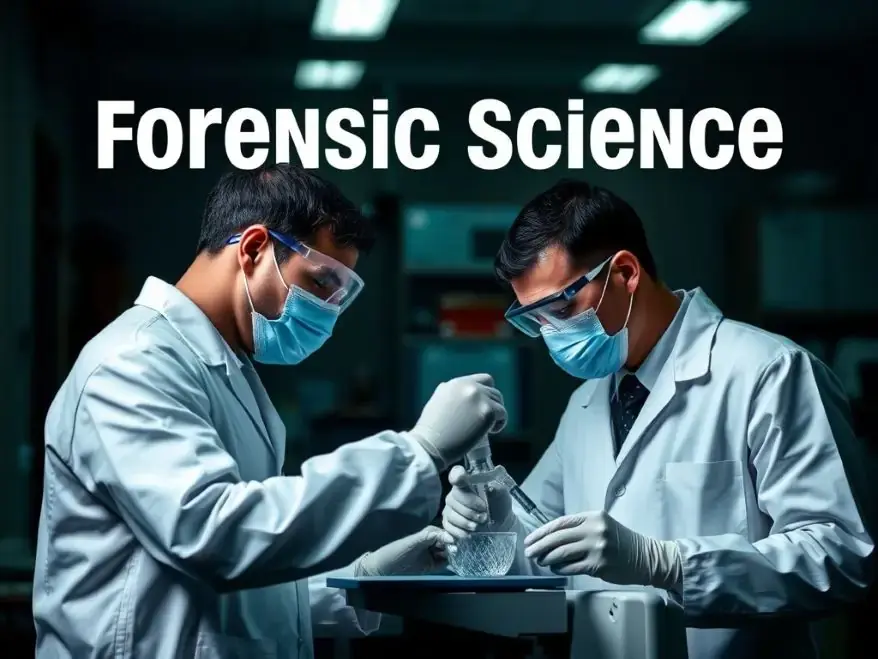
Are you curious about where a Forensic science career can take you by 2025? The field is evolving fast, with exciting opportunities for growth and impact. You’ll find roles that combine science, technology, and detective work. Whether you’re interested in solving crimes or analyzing evidence, there’s something for everyone. As technology advances, these careers are becoming more specialized and rewarding. Start exploring how to turn your passion for science into a meaningful job.
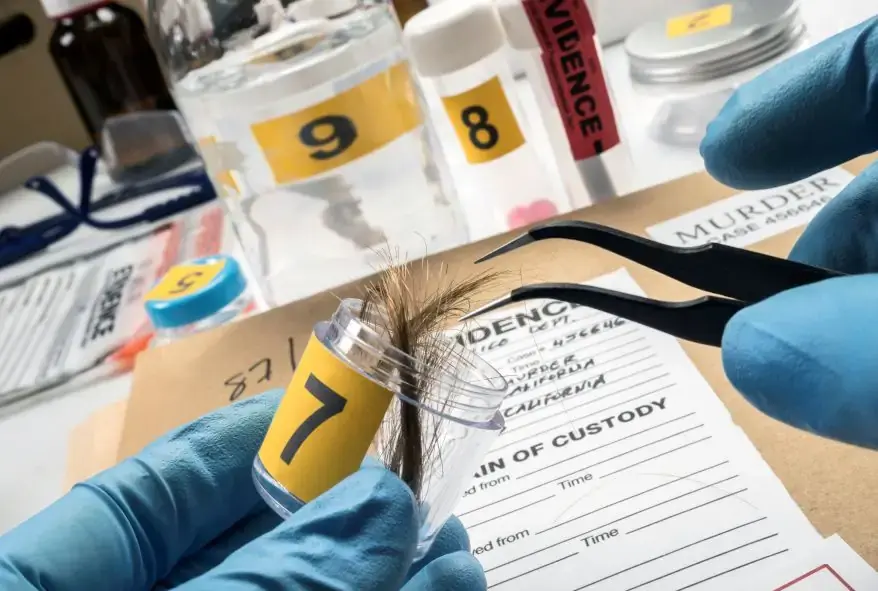
What is Forensic Science?
Forensic science is where science meets justice. It’s all about using scientific methods to solve crimes and analyze evidence. Whether examining fingerprints, studying DNA, or investigating digital trails, forensic science plays a key role in uncovering the truth. You’ve probably seen it in TV shows, but the real work is even more fascinating.
At its core, forensic science applies science to legal matters. Experts in this field use their skills to help law enforcement and the courts. They analyze evidence, interpret findings, and provide crucial insights to make or break a case. Forensic science isn’t just one discipline—it’s a collection of specialized fields. Thus, these include fingerprint analysis, anthropology, toxicology, and even wildlife forensics.
The good thing about science is that it’s true whether or not you believe in it – Neil deGrasse Tyson
Forensic science isn’t just about solving crimes. It’s also about advancing technology and improving methods. Researchers focus on areas like DNA analysis, ballistics, and digital forensics. These advancements help ensure accuracy and reliability in investigations. However, challenges like keeping up with technology and communicating findings effectively remain.
If you’re considering a Forensic Science Career, you’ll find it rewarding and impactful. Thus, this field offers opportunities to work in labs, crime scenes, or even courtrooms. It’s perfect for those who love science and want to make a difference. With the right education and training, you can join this exciting field and contribute to justice.
1. Forensic Pathologist:
A High-Paying Forensic Science Career
Job Description
Role in criminal investigations and autopsies
As a forensic pathologist, you play a critical role in solving crimes. Your primary responsibility involves performing autopsies to determine how someone died. This work helps law enforcement uncover the truth behind suspicious deaths. You examine tissues, organs, and fluids to find clues about injuries, diseases, or toxins. Hence, your findings often provide the evidence needed to solve cases.
Importance in determining causes of death.
Your expertise goes beyond just identifying the cause of death. You also help establish the time and manner of death, which can be crucial in criminal investigations. Forensic pathologists often testify in court, explaining their findings to judges and juries. Further, this makes your work essential for both justice and public safety.
The dead cannot cry out for justice. It is a duty of the living to do so for them – Lois McMaster Bujold
Required Qualifications
Medical degree and forensic pathology specialization.
To become a forensic pathologist, you need a strong educational background. First, you must earn a medical degree (MD or DO). After that, you complete a residency in pathology, followed by a fellowship in forensic pathology. Thus, this specialized training prepares you for the unique challenges of this field.
Licensure and board certification.
Once your education is complete, you must obtain a medical license to practice. Additionally, board certification in forensic pathology is highly recommended. This certification demonstrates your expertise and can open doors to higher-paying opportunities.
Salary Expectations
Average salary range: $200,000–$300,000 annually.
2. Forensic Toxicologist
Analyzing Substances in Forensic Science Careers
Job Description
Analyzing biological samples for toxins and substances
As a forensic toxicologist, your job revolves around science and precision. You’ll analyze biological samples like blood, urine, and tissues to detect toxins, drugs, or chemicals. Thus, these tests help uncover critical details about crimes, accidents, or medical conditions. Your findings can reveal whether substances played a role in someone’s death or behavior.
Forensic toxicology is vital in both criminal and civil cases. You might work on cases involving drug overdoses, poisoning, or impaired driving. Your role ensures that justice is served by providing accurate and reliable evidence. Every step of your testing process must follow strict protocols to maintain the chain of custody.
Role in criminal and civil investigations
Your expertise can influence legal outcomes. For example, you might identify substances that contributed to a crime or accident. In court, your analysis could help determine guilt or innocence. Toxicologists also play a role in workplace safety and environmental investigations. Whether it’s a criminal case or a civil dispute, your work ensures that decisions are based on facts.
Required Qualifications
Degree in toxicology, chemistry, or related field
To start your journey as a forensic toxicologist, you’ll need a strong educational foundation. Mostly, professionals in this field hold a degree in toxicology, chemistry, or a related science. A master’s degree in forensic science can give you an edge. Similarly, some toxicologists even pursue a Ph.D. to specialize further.
Certification from the American Board of Forensic Toxicology.
Certification is essential to establish your credibility. The American Board of Forensic Toxicology (ABFT) offers certifications that validate your expertise. To qualify, you must actively work in forensic toxicology and meet continuing education requirements. Certification is valid for five years and must be renewed to stay current in the field.
Here’s a quick look at the educational path:
- Complete a bachelor’s degree in a hard science.
- Pursue a master’s degree in forensic science or toxicology.
- Gain hands-on experience through internships or lab work.
Salary Expectations
Average salary range: $80,000–$120,000 annually.
Looking for a Forensic Science Career that combines science, justice, and problem-solving, forensic toxicology might be the perfect fit. It’s a career where your skills can make a real difference.
3. Digital Forensic Analyst
A Growing Forensic Science Career
Job Description
Investigating cybercrimes and recovering digital evidence
As a digital forensic analyst, you’ll be at the forefront of fighting cybercrime. Your job involves investigating digital devices like computers, smartphones, and servers to recover evidence. Whether it’s deleted files or encrypted data, your skills help uncover critical information. You’ll work on cases involving hacking, fraud, and even online harassment. Moreover, every piece of evidence you recover can make a big difference in solving crimes.
Digital forensic analysts also play a key role in corporate investigations. For example, you might analyze a suspect’s computer to find erased files linked to embezzlement. Your findings could lead to convictions and protect businesses from further harm.
The science of today is the technology of tomorrow – Edward Teller
Role in cybersecurity and criminal cases
Your expertise isn’t limited to criminal investigations. You’ll also contribute to cybersecurity by identifying vulnerabilities and preventing future attacks. For instance, you might help law enforcement dismantle networks distributing illegal content. In intellectual property theft cases, you’ll retrieve stolen data and ensure justice is served. Therefore, your work bridges the gap between technology and law enforcement.
Required Qualifications
Degree in computer science or cybersecurity
To start your career as a digital forensic analyst, you’ll need a degree in computer science, cybersecurity, or a related field. Thus, this education provides the technical foundation for analyzing digital evidence. Many professionals also pursue specialized diplomas in IT digital forensics to gain hands-on experience.
Certifications like Certified Forensic Computer Examiner (CFCE)
Certifications are essential for standing out in this field. Popular options include Certified Forensic Computer Examiner (CFCE), Access Data Certified Examiner (ACE), and CompTIA Security+. Therefore, these certifications validate your skills and increase your earning potential. Employers often look for candidates with certifications in network security and forensic analysis tools.
Salary Expectations
Average salary range: $90,000–$150,000 annually.
If you’re looking for a Forensic Science Career that combines technology and justice, digital forensics is an exciting choice. Your skills can help solve crimes and protect organizations from cyber threats.
4. Crime Scene Investigator (CSI)
A Hands-On Forensic Science Career
Job Description
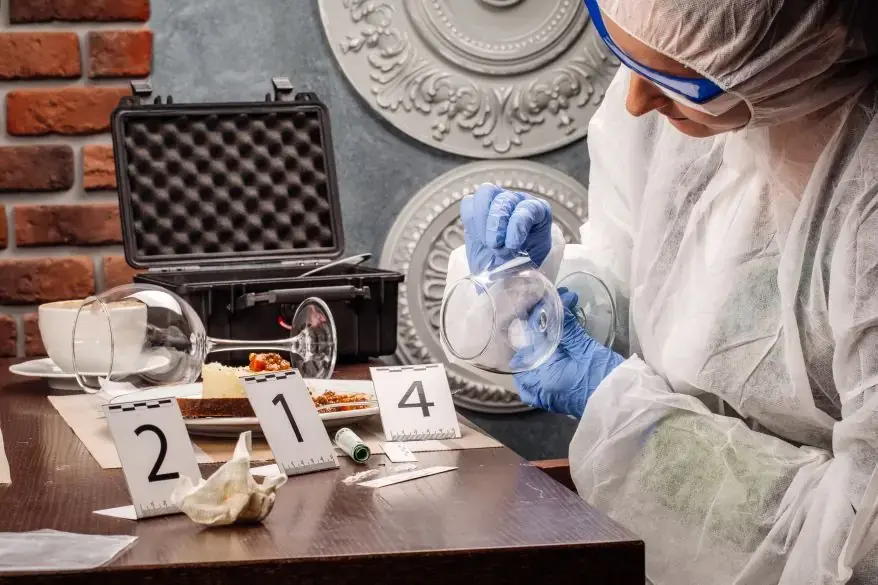
Collecting and analyzing evidence from crime scenes
As a Crime Scene Investigator (CSI), you’ll be the first to step into the aftermath of a crime. Your job involves collecting and analyzing evidence like fingerprints, blood samples, and weapons. Eventually, every piece of evidence you gather tells a story. Plus, you’ll carefully document the scene, ensuring no detail is overlooked. Thus, this evidence becomes the foundation for solving cases and delivering justice.
Your role doesn’t stop at collection. You’ll also analyze the evidence in forensic labs. For example, you might examine a bullet to match it to a firearm or analyze DNA to identify a suspect. Hence, your work ensures that investigators and courts have the facts they need.
The truth is rarely pure and never simple – Oscar Wilde
Collaborating with law enforcement and forensic labs.
You won’t work alone. Collaboration is a big part of your job. You’ll team up with law enforcement officers, forensic scientists, and legal professionals. Together, you’ll piece the puzzle of what happened. For instance, you might share your findings with detectives to help them build a case. In court, you may testify about the evidence you collected and its significance.
Teamwork is essential in this role. Moreover, your ability to communicate clearly and work under pressure will make a big difference. By working closely with others, you’ll help ensure that justice is served.
Required Qualifications
Degree in criminal justice or forensic science.
To become a CSI, you’ll need the right education. Mostly, CSIs hold a degree in criminal justice, forensic science, or a related field. This education gives you the scientific and investigative skills needed for the job. Certainly, courses in biology, chemistry, and law are especially helpful.
On-the-job training and certifications
Education is just the beginning. Moreover, you’ll also need hands-on training. Programs like the Crime Scene Investigators Training Program (CSITP) teach advanced skills like evidence documentation and bloodstain pattern analysis. Thus, this seven-week program is designed for law enforcement officers and CSI technicians.
Certifications can boost your career. Options include Certified Crime Scene Investigator (CCSI) and Certified Senior Crime Scene Analyst (CSCSA). Therefore, these certifications show your expertise and commitment to the field. To qualify, you’ll need experience in crime scene activities and a strong ethical record.
Salary Expectations
Average salary range: $50,000–$80,000 annually.
Hence, looking for a Forensic science career that’s hands-on and impactful, becoming a CSI might be the perfect path. You’ll play a key role in solving crimes and making a difference in your community.
5. Forensic Psychologist
A Unique Forensic Science Career
Job Details
Assessing criminal behavior and providing expert testimony
As a forensic psychologist, you focus on understanding criminal behavior. Your role involves conducting psychological evaluations and offering expert testimony in court. Therefore, these evaluations help determine if a defendant is mentally competent to stand trial or understands their legal rights. You also prepare detailed reports for the court, which often influence legal decisions.
Forensic psychologists collaborate with legal professionals to analyze mental health disorders. Further, create treatment plans for individuals in the criminal justice system. Thus, this work is critical in ensuring fair trials and appropriate sentencing.
Role in profiling and mental health evaluations
Profiling is another key aspect of your job. You assess patterns in criminal behavior to help law enforcement predict and prevent future crimes. Mental health evaluations are equally important. Therefore, these assessments guide decisions about rehabilitation and treatment for offenders. Further, your insights can shape how the justice system handles complex cases involving mental health.
Qualifications
Doctorate in psychology with forensic specialization
To pursue this career, you need a strong educational foundation. Start with a bachelor’s degree in psychology or a related field. Then, earn a master’s or doctoral degree in forensic psychology. Thus, this advanced education equips you with the skills to analyze behavior and provide expert opinions.
Licensure and board certification
Licensure is essential for practicing as a forensic psychologist. Mostly, states require you to complete 1,500 to 6,000 clinical hours. Also, pass the examination for Professional Practice in Psychology (EPPP). Some states have additional requirements, so it’s important to check local regulations. Board certification further validates your expertise and enhances your career prospects.
Hence, a quick overview of the qualifications:
- Education: Bachelor’s, master’s, and doctoral degrees in psychology.
- Licensure: Clinical hours, EPPP, and state-specific requirements.
- Certification: Optional but highly recommended for career advancement.
Pay Expectations
Average pay range: $70,000–$120,000 annually.
If you’re looking for a Forensic science career that combines psychology and justice, this role offers a meaningful path. Your work can make a real difference in the lives of individuals and the legal system.
Conclusion
Forensic science careers in 2025 offer exciting opportunities. Thus, they combine meaningful work with competitive salaries and room for growth. Your education, experience, and location play a big role in shaping your earning potential. Whether you’re just starting or advancing in your field, these careers promise rewarding futures.
Pursuing a Forensic Science Career allows you to make a real impact while growing professionally. Moreover, with the right skills and dedication, you can thrive in this dynamic field.
FAQ’s
1. What qualifications do you need for a forensic science career?
You need a bachelor’s degree in forensic science or a related field. Additionally, advanced roles may require a master’s degree or certifications. Specialized training helps, too. For example, forensic toxicologists often pursue certifications from the American Board of Forensic Toxicology.
2. Is forensic science a growing field?
Yes, it’s growing fast! Jobs in forensic science are expected to increase by 11%–13% by 2032. Additionally, advances in technology and the demand for forensic evidence drive this growth.
3. What skills are important for forensic science careers?
You need attention to detail, critical thinking, and problem-solving skills. Technical expertise, like analyzing DNA or digital evidence, is also key. Moreover, communication skills help when presenting findings in court.
4. What certifications are valuable in forensic science?
Certifications like Certified Forensic Computer Examiner (CFCE) or Certified Crime Scene Investigator (CCSI) boost your career. Thus, they validate your skills and increase earning potential.
References
- Am, A., Je, S., & An, A. (2017). Forensic Science Curricular and Career Planning: A Modified Systems Theory-Based Model for Student Advising. JOURNAL OF FORENSIC SCIENCE & CRIMINOLOGY, 5(4). https://doi.org/10.15744/2348-9804.5.403
- Brown, C. O., Logan, B. K., & McKiernan, H. E. (2019). A survey of senior practitioners regarding most desirable qualifications for hiring and advancement within forensic science. Forensic Science International Synergy, 1, 221–226. https://doi.org/10.1016/j.fsisyn.2019.09.004
Additionally, to stay updated with the latest developments in STEM research, visit ENTECH Online. Basically, this is our digital magazine for science, technology, engineering, and mathematics. Furthermore, at ENTECH Online, you’ll find a wealth of information.
- Author
- Latest Posts

Neha Adikane holds a Master’s degree in Environmental Science from Pune University, bringing a unique blend of scientific expertise and creative writing skills to her craft. She specializes in creating engaging, insightful, and impactful content across various niches. With a passion for translating complex ideas into simple, relatable narratives, she excels at crafting blogs, articles, website content, and social media posts that captivate readers and drive engagement. Neha’s background in environmental science adds depth to her writing, allowing her to effectively cover topics related to sustainability, eco-awareness, and scientific innovations.