The rise of AI robotics is reshaping mechatronics, empowering machines with intelligence and independence and opening high-potential careers for ambitious learners.
AI Robotics Is Shaping the Future of Work
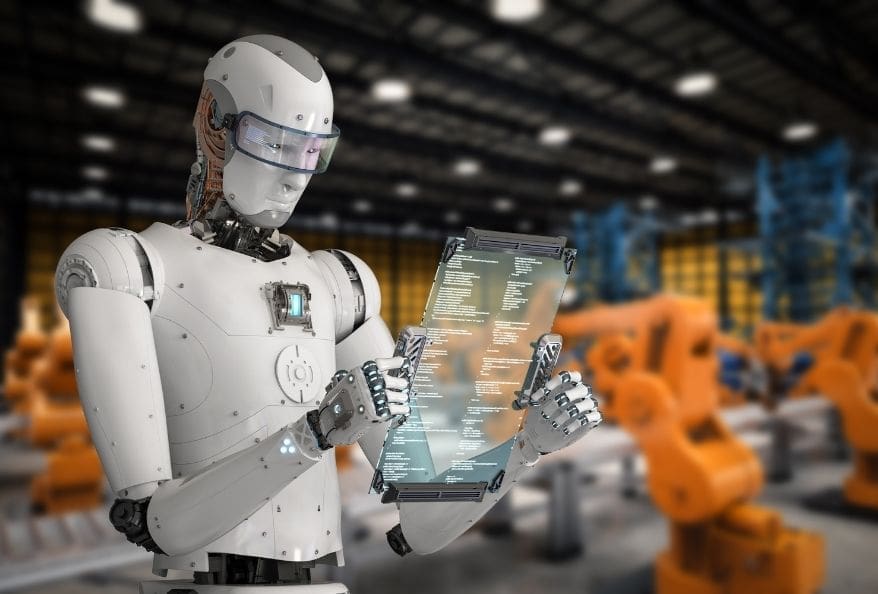
The AI robotics revolution is transforming how robots think, learn, and operate in modern industries. Not long ago, robots followed fixed instructions without deviation. However, artificial intelligence has changed everything. Today, robots analyze data, adapt to new conditions, and make decisions independently.
As a result, manufacturing systems are becoming faster, safer, and more efficient. More importantly, this technological shift is opening exciting career opportunities across multiple sectors.
What Happens When AI Robotics Meets Mechatronics?
Mechatronics combines mechanical engineering, electronics, computing, and control systems. Traditionally, these systems required precise programming. However, when AI robotics integrates into mechatronics, machines gain intelligence.
For example, AI-powered robotic arms in factories can adjust movements in real time. Research shows that AI integration can reduce assembly time by up to 30% while improving product quality by 15% . Therefore, industries are rapidly adopting smart automation solutions.
In other words, robots are no longer just machines — they are intelligent systems capable of learning and improving.
Smart Sensors Powering AI Robotics
Another major breakthrough involves AI-driven smart sensors. Previously, robots worked blindly through preset commands. In contrast, AI-enabled sensors allow machines to “see” and interpret their surroundings.
For instance, vision systems detect product defects instantly. Consequently, quality improves while waste decreases. Moreover, adaptive sensors help robots respond to unexpected changes on production lines, making operations safer.
Thus, AI robotics significantly enhances both productivity and reliability.
Machine Learning Makes Robots Smarter
Machine learning is the backbone of modern AI robotics. Instead of relying only on human programming, robots now improve through experience.
Take welding robots as an example. By analyzing thousands of weld patterns, AI systems learn what makes a weld strong and durable. Over time, performance improves without manual updates. As a result, precision increases while errors decline.
Similarly, predictive maintenance systems use AI to detect equipment issues before breakdowns occur. Consequently, companies save millions by preventing costly downtime.
Real-World Applications of AI Robotics
Predictive Maintenance
AI predicts equipment failures before they happen. Therefore, companies reduce unexpected shutdowns and repair costs.
Collaborative Robots (Cobots)
Collaborative Robots safely work alongside humans. Unlike traditional industrial robots, they use sensors and AI to detect human presence. As a result, workplaces become more efficient and secure.
Intelligent Quality Control
AI-powered vision systems inspect products continuously. In addition, they identify microscopic defects human inspectors might miss. Ultimately, organizations achieve consistent quality and higher customer satisfaction.
Challenges and Technical Limitations in AI Robotics
AI robotics faces challenges in data quality, computational demands, and system integration. Machine learning models require large, high-quality datasets for accurate performance. In industrial environments, collecting and labeling such data can be complex and costly.
High processing requirements also demand powerful hardware, increasing energy consumption and system costs. Real-time decision-making in dynamic environments adds further complexity to control systems.
Integration with legacy equipment presents additional technical barriers. Compatibility, cybersecurity risks, and system reliability must be carefully managed to ensure stable and secure operations.
Why AI Robotics Is a Powerful Career Path
Demand for AI robotics professionals is increasing as Industry 4.0 and smart manufacturing expand. A strong foundation in mathematics, programming skills such as Python, and solid problem-solving abilities are essential for building intelligent automation systems.
Career opportunities are growing across automotive, aerospace, healthcare, logistics, and smart infrastructure, offering competitive and future-ready roles in advanced technology sectors.
The Future of AI Robotics
Looking ahead, AI robotics will continue evolving across industries worldwide. Moreover, large-scale AI models are being integrated into industrial systems, making automation even more intelligent.
In conclusion, the AI robotics revolution is more than a technological trend — it is a gateway to future-ready careers. Those who prepare today can become tomorrow’s innovators in intelligent automation.
Additionally, to stay updated with the latest developments in STEM research, visit ENTECH Online.
References
- Salawu, G., & Glen, B. (2026). Integrating Artificial Intelligence into Mechatronics: A Comprehensive Study of Its Influence on System Performance, Autonomy, and Manufacturing Efficiency. Technologies, 14(3), 143. https://doi.org/10.3390/technologies14030143
- Wang, W., Coutras, C., & Zhu, M. (2021). Empowering computing students with proficiency in robotics via situated learning. Smart Learning Environments, 8, Article 24. https://doi.org/10.1186/s40561-021-00167-6
- Author
- Latest Posts

Kottauppari Venkat Raghava
I am a technology-driven IT graduate with a strong passion for science and innovation. I am fascinated by how innovations like artificial intelligence, robotics, and emerging technologies are shaping our world. I specialize in analyzing complex scientific and technological research and presenting it in a clear, accessible way. My goal is to make science and technology understandable and engaging for students, tech enthusiasts, and professionals alike. By breaking down advanced concepts into simple, insightful narratives, I strive to inspire curiosity, learning, and innovation, helping readers stay informed about the breakthroughs that are shaping the future.