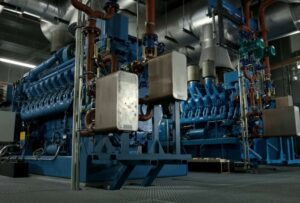
It combines computer science, electronics, mechanical engineering, and control systems. The main goal is to make machines that
Mechatronics Basics: A Beginner’s Guide to Modern Engineering Systems
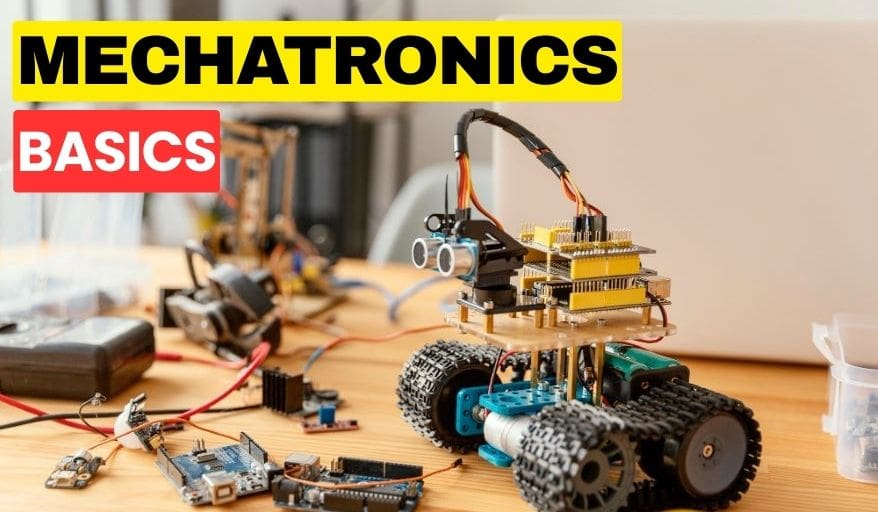
An introduction to mechatronics basics shows how this field combines different types of engineering. Because of this, mechatronics has an effect on the technology people use every day. Because they combine mechanics, electronics, and computer control, we see these systems everywhere. As the need for mechatronics skills grows, it becomes more and more important to learn the basics. You can see how smarter, more efficient machines are made when you understand how these areas work together. You can also help solve new problems in today’s fast-paced world.
Key Takeaways
- Mechatronics basics is a mix of computer, electrical, and mechanical engineering. As a result, it contributes to the development of intelligent machines.
- You can obtain more jobs if you learn mechatronics. You could work in robotics, automotive engineering, or health care, for instance. Because more people want these jobs, there is a greater need for them.
- You can build systems better if you know the basics of mechatronics. As a result, these systems are capable of perceiving their surroundings, processing information, and performing actions. This upgrade makes them work better and faster.
- Mechatronics is used in many everyday items. Smart fridges and robot vacuums, for example, depend on it.
- Keeping up with new trends in mechatronics is important. AI and green practices are changing the field. Such knowledge can help you get excellent jobs later.
A Complete Introduction to Mechatronics Basics
Definition and Purpose
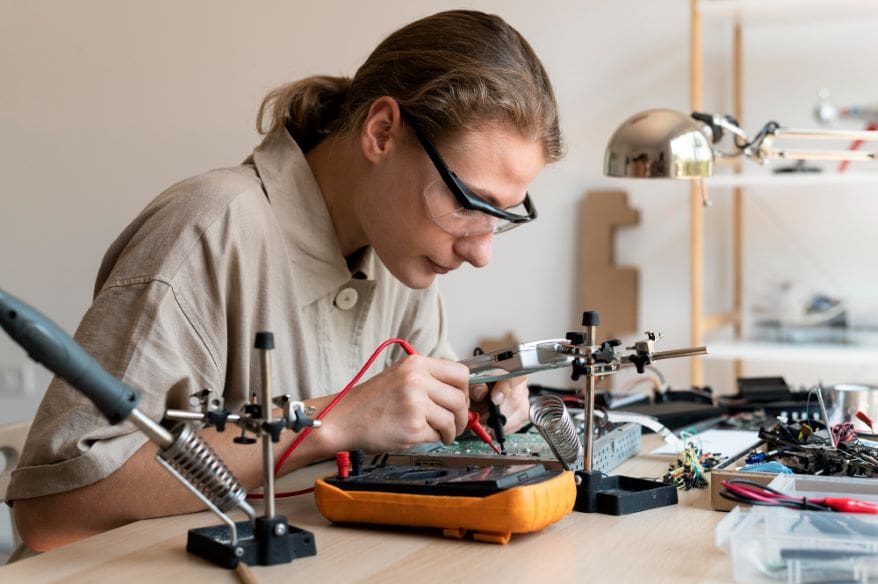
Introduction to Mechatronics basics is like a group project. It combines computer science, electronics, mechanical engineering, and control systems. The main goal is to make machines that are smart enough to solve challenging problems. When you study mechatronics, you learn how it builds systems that work well and are very exact. These systems can notice what is around them and react right away.
Mechatronics helps you design products that are smart and can change. You can find these products in many places:
- Manufacturing
- Automotive
- Aerospace
- Healthcare
Mechatronics basics combines mechanical, electrical, and computer engineering to give you new ways to solve challenging problems. For instance, you can see this in robots that can move and think, cars that can check on themselves, and medical devices that can adjust to fit patients.
How Mechatronics basics Differs from Traditional Engineering
Mechatronics basics is different because it does not just focus on one thing. On the other hand, traditional engineering, like mechanical engineering, usually only focuses on one area. So, mechatronics basics encourages you to use many different skills to make systems that are smarter.
Here is a table that shows the differences:
| Aspect | Mechatronics | Mechanical Engineering |
|---|---|---|
| Disciplinary Focus | Integration of mechanical, electrical, computer, and control systems. | Focus on mechanical systems, dynamics, and classical engineering principles. |
| Technological Integration | Incorporates robotics, automation, AI, and IoT for smart solutions. | Emphasizes design and optimization of mechanical structures and systems. |
Mechatronics basics encompasses a broader range of disciplines. Because of this, you get to use many different skills. Therefore, this means there are more job openings, like in AI and robotics. You also use new technology to solve problems in smart ways.
Here are some examples that demonstrate how the basics of mechatronics integrate various fields:
- Modern cars have sensors that check tire pressure and oil, using both mechanical and electronic systems.
- Things like traction control and climate control need both mechanical and electronic parts.
Mechatronics basics let you build machines that are smart and tough at the same time. Because of this, these machines can do their jobs better and faster. You can see the difference when you look at traditional engineering, which usually works on just one part of a system.
Mechatronics Basics and Key Principles
Mechanical Engineering and Mechatronics Basics: Building Smarter Machines
A lot of mechatronics basics come from mechanical engineering. This teaches you how machines work with energy, force, and motion. You use gears, levers, and cams in mechatronic systems to help machines move and do their jobs. Engineers also make these parts smaller and more efficient for new devices.
Force, motion, and energy all show how machines work together. Gears, levers, and cams are also crucial parts of many machines. Furthermore, making parts smaller helps machines work more accurately and quickly.
Electronics and Electrical Engineering in Mechatronics Basics: Creating Intelligent Systems
Electronics and electrical engineering are also important in mechatronics basics. You use sensors, relays, and motor drives to help machines sense and react. They often work with other engineers to ensure everything works together.
Sensors and relays collect information from the outside world so that machines can respond in a smart way. At the same time, PLCs and power supplies tell machines what to do. Motor drives and motion control also help machines move. Mechatronic engineers also design and test new machines. They also modify and make better machines that are already there.
Computer Science and Software
Computer science and software are key to mechatronics basics. You use software to control how each part works. Software engineers write code so machines can do hard jobs well. These programs help all the parts talk and work together.
You might use many programming languages and tools, like
- Real-time control and small computers primarily utilize C/C++.
- Python is utilized for data analysis and machine learning.
- MATLAB/Simulink is utilized for creating models and conducting experiments.
- Java for systems that use the internet.
- LabVIEW for collecting data and controlling tools.
- Simulation tools like ANSYS and SolidWorks for 3D models.
- Git to keep track of code changes.
- RTOS for jobs that need rapid answers.
- Pandas and TensorFlow are used for looking at data.
Control Systems
Control systems make sure your mechatronics system works well and safely. For instance, you use control systems to make sure that all the parts work together. They also let the system change and continue working in new situations. When you make a mechatronic device, you consider how easy it is to change, how it reacts, and how parts depend on each other.
Tip: Control systems keep your device safe and working well, even if things change.
Integration of Disciplines
The real strength of mechatronics basics is mixing all the fields.
- Mechatronics connects old engineering fields.
- Mixed systems can react smartly to what happens around them.
- Working together makes machines better and faster and adds new things.
Here are some real-life examples where this mix leads to new ideas:
| Field | Example |
|---|---|
| Health Care | Robotic surgery systems like the da Vinci Surgical System help doctors do less invasive surgery. |
| New robots like CorPath let doctors do surgery from far away. | |
| Home Automation | Smart fridges buy food. Robotic vacuums clean and carry pets. |
| Automotive | Anti-lock brakes, airbags, and self-driving cars use mechatronic systems. |
| The U.S. Postal System tries out trucks that drive themselves to deliver mail. | |
| Manufacturing | Factory robots do jobs, making work faster and cheaper. |
| Space Exploration | Mars rovers and robot arms on the International Space Station use mechatronics. |
When you learn mechatronics basics, you acquire skills to make systems that change the world. You see how robots, smart cars, and space missions need many fields to work together.
Applications of Mechatronics basics
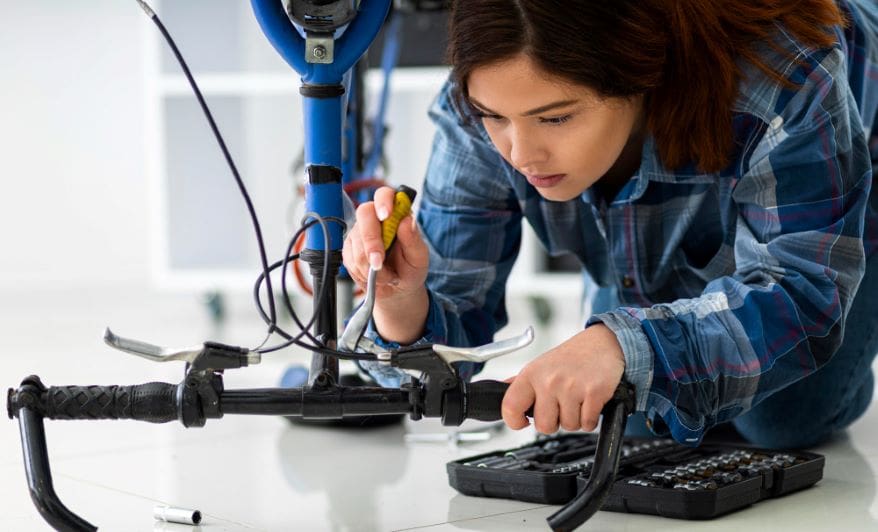
Mechatronics changes how you use technology in many places. You see it in factories, cars, hospitals, and things at home. These areas show how mechatronics helps resolve problems and improve life.
Manufacturing and Automation
Factories use mechatronics all the time. Automation helps factories work faster and safer. Connected systems plan and do jobs across the whole line. Machines can run alone without people, especially for simple jobs. Cobots and mobile robots help verify and move stuff. Machines and sensors provide data right away to identify problems and plan fixes.
| Application Type | Description |
|---|---|
| Connected Systems | The systems are designed to plan and execute tasks across the entire production line. |
| Lights-out Operation | Machines work alone, needing regular checks and moving. |
| Cobots and Mobile Robots | Robots help with checking, fastening, and moving things. |
| Integrated Automation | Data moves fast, helping find problems and plan fixes. |
Automation helps make more products and saves money. You get better checks and fewer mistakes. Mechatronics also makes factories safer by doing risky jobs. Workers with mechatronics skills can fix challenging systems, making factories more flexible.
- Automation helps make more things and saves money.
- Checks become better with fewer mistakes and less waste.
- Safety goes up as machines do risky jobs.
- Robots help work go faster and more exactly.
Automotive Systems
Mechatronics basics make sure that modern cars and trucks work well. This technology is evident in electric cars, hybrid cars, and autonomous driving systems. Advanced driver-assistance systems use sensors and AI to make driving safer. Electric cars also need motors, batteries, and control systems to work better. In the meantime, self-driving cars use sensors and controls to drive without any help from people.
| Application Area | Description |
|---|---|
| Advanced Driver-Assistance Systems (ADAS) | Sensors and AI help keep you safe and guide you. |
| Electric and Hybrid Vehicles | Motors, batteries, and controls improve travel. |
| Fully Autonomous Vehicles | Sensors and AI let cars drive by themselves. |
| Key Components in Electric Vehicles | Motors, battery checks, and power parts help cars work well. |
Cars also have anti-lock brakes, stability control, and cruise control. These systems use sensors and controls to respond quickly, which lowers the chance of accidents. ADAS uses cameras, radar, and lidar, for example, to keep drivers safe and stop them from getting into accidents.
Healthcare Devices
Mechatronics basics make big improvements to medical tools. You can see it in imaging machines, surgical robots, and rehabilitation tools, for example. Mechatronics is used by MRI and CT scanners to make clear pictures, which helps doctors find problems early. Furthermore, surgical robots provide doctors more control and accuracy. In addition, exoskeletons and rehabilitation robots help patients move and heal. Furthermore, advanced prosthetic limbs make it easy for people to move around naturally.
- Surgery robots make operations safer and help people heal faster.
- Rehab devices help patients walk and move again.
- Imaging gets better and faster with mechatronics.
- Wearable tech, like smartwatches, tracks health and helps doctors.
Consumer Products
Many things you use every day have mechatronics in them. Because of this, these devices make life safer and easier. For instance, doorbells with cameras let you see and talk to people who come to your door right on your phone. Smart fridges show what is inside, make lists, and give water when you want. Robotic vacuums are designed to clean your house and monitor any issues that may arise. Pacemakers also utilize sensors to monitor and adjust heart rates. Additionally, electronic fuel injectors help cars consume less gasoline and reduce air pollution. In the meantime, drones fly and do different things by using a mix of engineering skills.
| Product Type | Description |
|---|---|
| Camera-integrated doorbells | See and talk to visitors with your phone. |
| Smart refrigerators | Show what is inside, make lists, and give water. |
| Robotic vacuum cleaners | Clean floors and help with security using cameras. |
| Pacemakers | Check and change heart rates with sensors. |
| Electronic fuel injectors | Help cars use less fuel and pollute less. |
| Drones | Fly and do many jobs, using many engineering skills. |
Mechatronics makes these things smarter and more useful. Because of this, you feel more at ease, safe, and in charge of your daily life.
Mechatronics Basics Trends in 2025
Recent Advancements in Mechatronics basics
Every year, mechatronics basics gets better. For instance, in 2025, robots will be able to do more difficult jobs in factories, hospitals, and even space. Furthermore, AI lets machines learn and make decisions quickly. Cobots also work with people to make things safer and more efficient. At the same time, many engineers are working on making systems that use less energy and are beneficial for the Earth.
- Robots do difficult jobs in factories, hospitals, and space.
- AI helps machines learn and make choices fast.
- Cobots work with people to make things safer.
- Engineers build systems that save energy and help the planet.
Tip: If you want to use new technology, learn how AI and robotics work together in mechatronics.
Emerging Challenges in Mechatronics basics
As mechatronics grows, new problems show up. The table below lists some big challenges and trends:
| Emerging Trend/Challenge | Description |
|---|---|
| Integration of Artificial Intelligence | You add AI and machine learning to systems for smarter actions. |
| Sustainable Engineering Practices | You design machines that help the environment and support social good. |
| Development of Smart and Connected Systems | You build systems that share data and work together for better results. |
| Adoption of Model-Based Design | You use math models to plan and test systems, saving money and making them more reliable. |
You need new skills to resolve these problems. You also have to think about how your work changes people’s lives and nature.
Future Careers in Mechatronics basics
Mechatronics has many new jobs. The job market is expected to grow by 33% between 2022 and 2032. If you want to work in this field, you need special skills. The table below shows what employers want:
| Skill/Qualification | Description |
|---|---|
| Strong grasp of mathematical concepts | You use math, like algebra and calculus, to plan and check your work. |
| Familiarity with quality control standards | You test products to make sure they meet rules and work well. |
| Knowledge of engineering tools | You use tools like AutoCAD, Python, MATLAB, and Simulink to design and study systems. |
| Data acquisition and analysis capabilities | You collect and study data to understand how machines work. |
| Technical writing skills | You explain complex ideas so everyone can understand them. |
Note: If you want a job in mechatronics, start learning math, computer skills, and how to share your ideas clearly.
You can see that mechatronics brings together many areas to make machines that are smart. Therefore, mastering the fundamentals equips you with skills applicable to a wide range of professions. Furthermore, the future is being shaped by new technologies like 3D printing, green tech, and robots that work with people.
The following table outlines key areas of knowledge:
| Key Area | Description |
|---|---|
| Multidisciplinary Nature | Uses mechanical, electrical, control, and computer engineering. |
| 3D Printing & Nanotech | Makes stronger materials and saves money. |
| Green Electrical Tech | Uses clean energy and cuts down on pollution. |
| Collaborative Robotics | Lets people and robots work as a team. |
| Innovations | It introduces new robots, artificial intelligence, and smart sensors. |
FAQ
What skills do you need for a career in mechatronics?
You need to know math and science. In addition, you should learn about computers. It also helps to understand how machines work. Moreover, you must be able to solve problems and collaborate with others. Finally, coding allows you to build smart systems.
How does mechatronics help in daily life?
Mechatronics makes life easier for you. For example, you use smart devices every day. Specifically, washing machines, sensor-equipped cars, and cleaning robots are examples. These products work better because engineers combine mechanics, electronics, and software.
Can you study mechatronics in high school?
Yes! Many schools have robotics or engineering clubs. You can join these clubs to learn more. You can also try coding or building small machines at home.
Additionally, to stay updated with the latest developments in STEM research, visit ENTECH Online. Basically, this is our digital magazine for science, technology, engineering, and mathematics. Furthermore, at ENTECH Online, you’ll find a wealth of information.
References
- Faria, A. C. C., & Barbalho, S. C. M. (2023). Mechatronics: A Study on Its Scientific Constitution and Association with Innovative Products. Applied System Innovation, 6(4), 72. https://doi.org/10.3390/asi6040072
- Sharma, R., & Dhiman, B. (2021). Mechatronics around the world—at a glance. Journal of Mechatronics and Robotics, 5(1), 1–7. https://doi.org/10.3844/jmrsp.2021.1.7
- Kumar, P. (2023). A brief review on mechatronics, a foundation course. International Journal of Research Publication and Reviews, 4(7), 2203–2207. https://doi.org/10.55248/gengpi.4.723.49454
- Author
- Latest Posts

Deven Nandapurkar is a Software Engineer, Project Lead; working at the strategic intersection of software engineering, productivity science, and emerging technologies. Driven by a core philosophy of “building things worth building,” he leads cross-functional teams and drives end-to-end technical strategy—from early-stage conceptualization through production-grade deployment.
A Computer Engineering graduate from Pune University, Deven brings a sharp systems-thinking approach to technical leadership, honed by years of managing high-stakes engineering projects and leading teams to top placements in national and international hackathons, including the NASA Space Apps Challenge and the Peerlist GenAI Hackathon.
Deven explores how human cognition and emerging technology converge. He regularly writes about cognitive performance optimization, attention management, AI integration, and the evolving dynamics of the modern workforce – offering actionable frameworks for professionals seeking to maximize their productivity and thrive alongside intelligent systems.