Discover an essential cybersecurity introduction that covers methods to protect against cyber threats like ransomware.
What Is Cybersecurity Introduction: Basics and Importance Explained

Estimated reading time: 12 minutes
Digital transformation affects every part of our lives. For instance, the world is more connected than it has ever been. So, what is cybersecurity introduction? An introduction to it is very important right now. The introduction to cybersecurity talks about the tools, methods, and actions that can be used to protect networks, devices, and data.
For instance, it stops people from getting in without permission. In addition, it stops damage and misuse. For example, more and more people and businesses are using digital platforms. This has changed the types of threats that are online. Because of this, new and complicated cyberattacks can take personal information. Also, they can stop working and break trust. In this cybersecurity introduction, there are many types of cyber threats, such as ransomware and phishing. They are different and always changing.
So, you need a good plan for defense. This article talks about basic ideas for keeping your computer safe. People can stay safe if they know the main parts of cybersecurity. These parts are risk management, finding threats, and dealing with problems. They can better handle the digital world of today with this information. As we learn about cybersecurity rules and plans, we see that it’s important to stay alert and involved. This lowers risks and makes the digital future safer for everyone.
What Is Cybersecurity Introduction: Definition
Introduction of Cybersecurity
Cybersecurity encompasses the practices, technologies, and processes designed to protect computers, networks, and data from unauthorized access, theft, and damage. Change in the digital world is happening faster. More and more people and businesses depend on technology. It’s more important than ever to keep important information and systems safe. Data breaches, ransomware, and spying are all examples of cyber threats. These risks hurt people, businesses, and governments. They are very dangerous.
Importance of cybersecurity introduction
Cybersecurity is very important because cyber attacks can cause a lot of problems. These include losing money, damaging your reputation, and getting into legal trouble. Good cybersecurity keeps data private, correct, and easy to get to. This makes users feel more confident in the systems they use. Organizations need to be on the lookout for new cyber threats and be ready to change. They should put money into new tech and training. This helps them lower risks and respond quickly when something goes wrong. To stay strong in a connected world, you need more than just technical skills for good cybersecurity.
Also Read: What is cybersecurity?
Understanding cybersecurity introduction is key to protecting digital information and systems from threats.
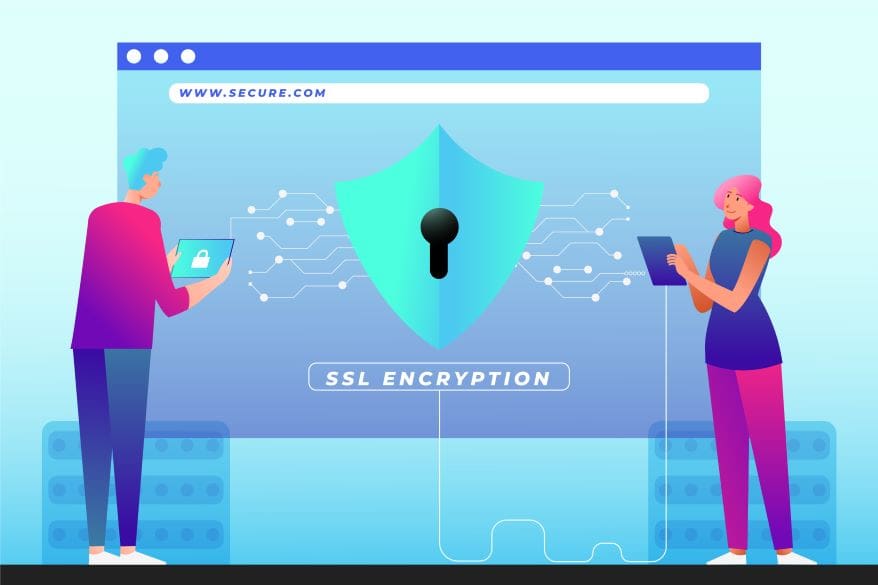
Digital threats keep changing. This makes it important for people and organizations to learn cybersecurity basics well. People can find weak spots, use protection, and deal with problems better with this information. Users can lower their risks by acting quickly when they know about threats like phishing, malware, and attacks. It also helps organizations develop a culture of security. Then, workers stay alert and use the internet safely.
Incorporating cybersecurity awareness into daily operations and decision-making processes is crucial for minimizing exposure to potential threats. Organizations that invest in training and resources are better equipped to anticipate and counteract emerging dangers. Companies keep their digital assets safe by making their cybersecurity strong. They follow the law and keep their word with clients and partners. It’s not just about technology to understand cybersecurity. It is very important for businesses to be strong and successful today.
Also Read: Cyber Security
Cybersecurity Introduction: Common Types of Cyber Threats
Fake emails or messages are used in phishing attacks to trick people. They want to get your private information, like your passwords or bank account numbers. Viruses, worms, and ransomware are all types of malware that are bad software. It can hurt files, take data, or hold it for ransom. Denial-of-service attacks send too much traffic to networks or websites. This makes them impossible to use. It messes with services.
Another risk is insider threats. Employees use their access to hurt the business. APTs, or advanced persistent threats, last a long time. They are very focused. Over time, they try to steal private information. Every threat shows how important it is to have layered security. Use tech solutions. Also train your workers.
Also Read: Cybersecurity for the Digital Age: Protecting Data in Every Sector
Cybersecurity Introduction: Malware, Phishing & Ransomware Threats Explained.
Organizations face an ever-evolving landscape of cyber threats that can compromise their operational integrity and data security. It’s well known that ransomware attacks do a lot of damage. Cybercriminals use encryption to lock up important data. They want money to open it. This often makes it hard for businesses to get things done.
Malware is still a big issue. There are many kinds of it. It takes data or breaks systems. Organizations need to act quickly because there are more threats. Organizations can get ready better if they know about cyber threats. In a world where everything is connected, they can lower risks and protect important things.
Also Read: how operation aurora redefined cybersecurity practices
Key Cybersecurity Principles to Follow
A foundational principle of effective cybersecurity is the concept of defense in depth, which involves layering multiple security measures to protect critical assets. No single safeguard works alone. Organizations need a mix of defenses. Use firewalls, intrusion detection, encryption, and access controls. Check and update security on a regular basis. This helps find weak spots quickly. It stops attacks before they happen.
Building awareness of security is also important. Teach workers to be aware. This makes people feel safe. Human error remains one of the leading causes of security breaches, making it essential for organizations to invest in ongoing training programs that inform staff about potential threats and safe online practices. Show your employees how to spot phishing. Teach them how to use passwords safely. This cuts down on risks a lot. For strong cybersecurity, use both people and technology.
Also read: cybersecurity for the digital age protecting data in every sector
Cybersecurity Introduction: Strengthen Your Security with Confidentiality, Integrity & Availability.
Learn the basics of confidentiality, integrity, and availability (CIA). For instance, they are very important. So, use them to make your computer security stronger. Privacy keeps personal information safe. Only people who have permission can see it. Because of this, it stops people from getting in without permission and stealing data.To keep it safe, use strong encryption and access controls. Integrity focuses on maintaining the accuracy and consistency of data, ensuring that information is not altered or tampered with without proper authorization. Regularly auditing data and utilizing checksums can help organizations confirm data integrity and promptly detect any unauthorized changes.
Availability, the third pillar, ensures that information and resources are accessible to authorized users whenever needed. Organizations must implement strategies such as redundancy, failover systems, and regular backups to prevent downtime and ensure continuous access to critical information. By thoroughly understanding and applying the CIA triad, organizations can create a comprehensive cybersecurity framework that not only protects data but also promotes trust and reliability among stakeholders. This holistic approach enhances an organization’s resilience against various cyber threats, ultimately supporting its long-term objectives.
Also Read: cybersecurity essentials skills careers pathways for high school students
Cybersecurity Introduction: The Role of Cybersecurity Professionals Explained
Cybersecurity professionals play a crucial role in safeguarding an organization’s digital assets and infrastructure. They are responsible for identifying potential vulnerabilities within systems and networks, conducting risk assessments, and developing comprehensive security strategies tailored to specific organizational needs. These experts stay abreast of the latest threats and security trends, employing a proactive approach to mitigate risks before they can be exploited by malicious actors. Through the implementation of firewalls, intrusion detection systems, and other protective measures, they create a resilient security posture that anticipates and responds to emerging threats.
In addition to technical expertise, effective communication skills are vital for cybersecurity professionals, as they often serve as a bridge between IT and other departments. They must convey complex security concepts in a manner that is understandable to non-technical stakeholders, ensuring that everyone in the organization understands their role in maintaining security. Furthermore, they conduct training and awareness programs to foster a culture of security consciousness among employees, reinforcing the idea that cybersecurity is a collective responsibility. By doing so, these professionals help organizations not only defend against cyber threats but also cultivate a proactive security culture that adapts to the ever-evolving digital landscape.
Also Read: impersonation of authority figures cybercrime everyone should know
Cybersecurity Introduction: How Professionals Protect Data and Networks.
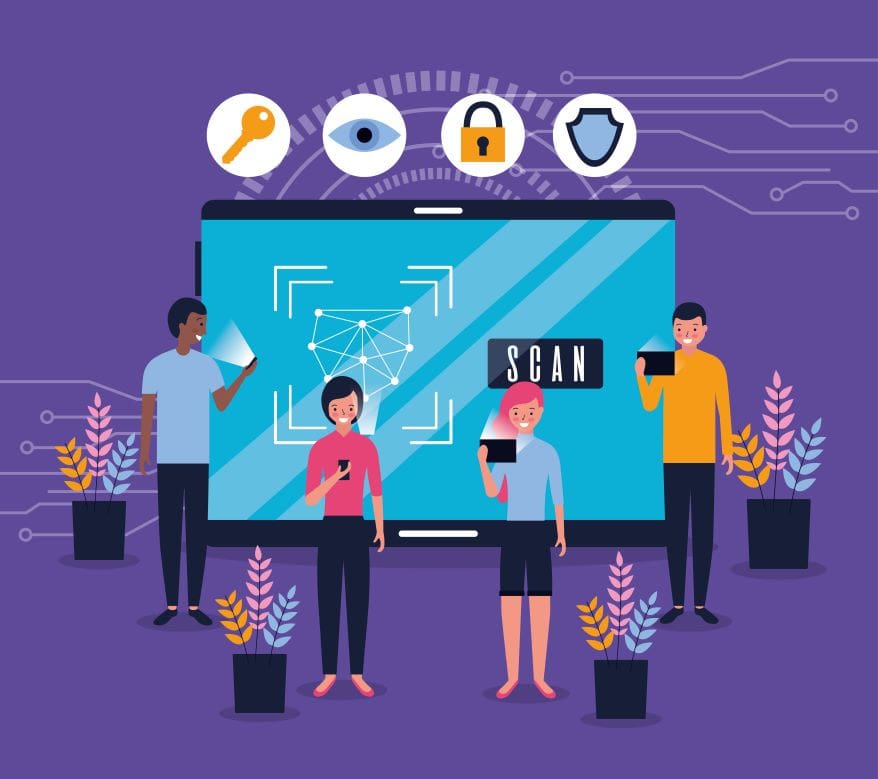
By meticulously designing, implementing, and maintaining robust security measures, cybersecurity professionals ensure the integrity, confidentiality, and availability of organizational data and networks. They assess current security protocols, identifying gaps that could be exploited and designing layers of protection that include both hardware and software solutions. Regularly updating these measures is essential to address evolving threats, which requires a continuous evaluation of security policies and practices to align with industry standards and regulatory requirements.
Moreover, the maintenance aspect involves not only monitoring security systems for anomalies and potential breaches but also conducting routine audits and testing to validate the effectiveness of existing measures. Through strategic incident response planning and continuous education and training for employees, these professionals foster a culture of security awareness within the organization. This holistic approach not only defends against unauthorized access and data breaches but also ensures that the organization can quickly recover from incidents, minimizing potential damage to its reputation and bottom line.
Future Trends in Cybersecurity introduction
Technology moves at a very fast pace. For instance, new trends in cybersecurity are coming up. Because of this, they will change how we protect our computers. Also, AI and machine learning are now used in security systems. Cybersecurity looks for threats, finds them, and reacts automatically in real time. This change makes it easier to find threats and speeds up how quickly people respond. Because of this, it makes a breach less harmful. But the rise of the Internet of Things (IoT) brings new risks. So, it needs security plans that can change. These plans add more devices and connections to make sure full protection.
Another significant trend is the growing emphasis on zero-trust security models, which operate under the principle that no entity, whether inside or outside the organization, should be trusted by default. This paradigm requires continuous verification of user identities and device integrity, fostering a more resilient defense mechanism against sophisticated cyber threats. Furthermore, regulatory landscapes are evolving, with governments and organizations mandating stricter compliance measures, which in turn drives the adoption of advanced security technologies. As the digital sphere becomes increasingly complex and interconnected, these trends will not only shape cybersecurity strategies but also redefine how organizations approach risk management and data protection in the coming years.
Stay informed about emerging technologies and practices shaping the future landscape of cybersecurity.
organizations to continuously verify user identities, assess device security, and monitor access permissions. This proactive approach mitigates risks associated with insider threats and compromised credentials. Furthermore, as regulatory landscapes evolve, organizations must remain vigilant about compliance requirements that influence cybersecurity strategies. Implementing robust data protection measures, such as encryption and privacy-centric design, is imperative not only for maintaining consumer trust but also for ensuring adherence to stringent regulations.
Staying abreast of developments in cybersecurity practices is essential for organizations seeking resilience against increasingly sophisticated threats. Participating in industry conferences, engaging with professional networks, and investing in continuous training for personnel are effective strategies for keeping pace with emerging technologies. By fostering a culture of innovation and adaptability, organizations can better position themselves to leverage new tools and methodologies, thus enhancing their overall cybersecurity posture.
In conclusion, cybersecurity is an essential component of our increasingly digital world, encompassing a wide range of practices, technologies, and processes designed to protect sensitive information from unauthorized access and cyber threats. As cyberattacks become more sophisticated and prevalent, understanding the fundamentals of cybersecurity is crucial for individuals and organizations alike. By implementing robust security measures, fostering a culture of awareness, and staying informed about emerging threats, we can better safeguard our digital assets and ensure a secure online environment. As we move forward, prioritizing cybersecurity will not only enhance our resilience against potential breaches but also contribute to the overall stability and trustworthiness of the digital landscape.
Additionally, to stay updated with the latest developments in STEM research, visit ENTECH Online. Basically, this is our digital magazine for science, technology, engineering, and mathematics. Also, at ENTECH Online, you’ll find a wealth of information.
FAQs
What is Cybersecurity?
Cybersecurity refers to the practice of protecting systems, networks, and data from digital attacks, theft, or damage. It involves implementing measures such as firewalls, encryption, and intrusion detection systems to safeguard information from unauthorized access and cyber threats. Cybersecurity encompasses various domains, including application security, information security, network security, and operational security. With the increasing reliance on technology, robust cybersecurity practices are essential for protecting personal, corporate, and governmental data, ensuring privacy, maintaining trust, and preventing financial loss or reputational damage.
How is cybersecurity defined, and what are its primary objectives in protecting digital information?
Cybersecurity is the practice of protecting systems, networks, and data from digital attacks, unauthorized access, and damage. Its primary objectives include ensuring confidentiality (protecting sensitive information), integrity (maintaining data accuracy and trustworthiness), and availability (ensuring reliable access to information and resources). Additionally, cybersecurity aims to detect, respond to, and recover from security incidents, thereby safeguarding organizational assets and maintaining user trust in digital environments. Effective cybersecurity combines technology, processes, and people to mitigate risks and protect against evolving threats.
Why is Cybersecurity Important?
Cybersecurity is vital because it protects sensitive data from unauthorized access, theft, and damage. As our reliance on technology grows, so does the risk of cyberattacks, which can lead to significant financial losses, reputational damage, and legal repercussions for individuals and organizations. Effective cybersecurity measures ensure the integrity, confidentiality, and availability of information, safeguarding personal and corporate assets. Additionally, it fosters trust among users and consumers, promoting a secure digital environment essential for economic stability and innovation in an increasingly interconnected world.
References
- Cremer, F., Sheehan, B., Fortmann, M., Kia, A. N., Mullins, M., Murphy, F., & Materne, S. (2022). Cyber risk and cybersecurity: a systematic review of data availability. The Geneva Papers on Risk and Insurance Issues and Practice, 47(3), 698–736. https://doi.org/10.1057/s41288-022-00266-6
- Kumar, A. (2019, March 1). Introduction to cyber security. https://www.jetir.org/view?paper=JETIREO06119
- Patil, A. A. & Institute of Distance and Open Learning, Mumbai, Maharashtra, India. (2024). Research Paper on Cyber Security Challenges and Threats. In International Journal of Advanced Research in Science, Communication and Technology (IJARSCT) (Vol. 4, Issue 1) [Journal-article].https://ijarsct.co.in/Paper15082.pdf
- Author
- Latest Posts

Deven Nandapurkar is a Software Engineer, Project Lead; working at the strategic intersection of software engineering, productivity science, and emerging technologies. Driven by a core philosophy of “building things worth building,” he leads cross-functional teams and drives end-to-end technical strategy—from early-stage conceptualization through production-grade deployment.
A Computer Engineering graduate from Pune University, Deven brings a sharp systems-thinking approach to technical leadership, honed by years of managing high-stakes engineering projects and leading teams to top placements in national and international hackathons, including the NASA Space Apps Challenge and the Peerlist GenAI Hackathon.
Deven explores how human cognition and emerging technology converge. He regularly writes about cognitive performance optimization, attention management, AI integration, and the evolving dynamics of the modern workforce – offering actionable frameworks for professionals seeking to maximize their productivity and thrive alongside intelligent systems.