Understanding Aerospace Engineering
Aerospace engineering stands as one of the most technically demanding and multidisciplinary fields within modern engineering. It encompasses the design, development, testing, and operation of vehicles that travel through Earth’s atmosphere and beyond into space. From commercial airliners connecting continents to spacecraft exploring distant planets, aerospace engineering makes human flight and space exploration possible.
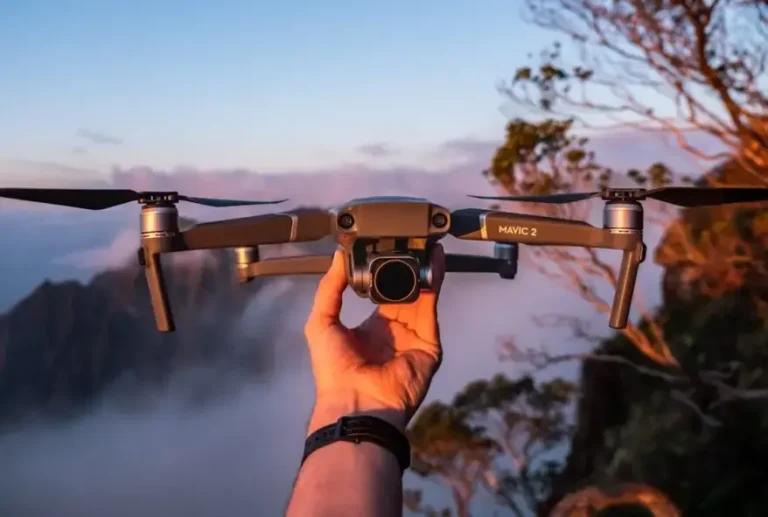
The field traditionally divides into two major branches: aeronautical engineering and astronautical engineering. Aeronautical engineering focuses on aircraft operating within Earth’s atmosphere, including commercial airplanes, helicopters, drones, and military aircraft. Astronautical engineering deals with spacecraft, satellites, launch vehicles, and systems designed to function in the harsh environment of outer space. While these branches address distinct technical challenges, they share fundamental engineering principles and often overlap in practice.
Core Disciplines and Technical Foundations
Aerospace engineering integrates knowledge from multiple engineering and scientific disciplines. Aerodynamics examines how air flows around vehicles and generates lift, drag, and other forces critical to flight. Engineers apply fluid dynamics principles to optimize wing shapes, reduce fuel consumption, and improve performance across different flight regimes from subsonic to hypersonic speeds.
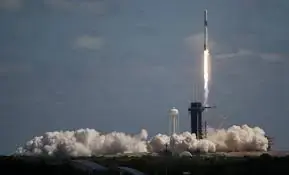
Propulsion systems provide the thrust needed for flight and space travel. Aircraft typically use air-breathing engines such as turbojets, turbofans, and turboprops, while rockets rely on chemical propulsion to escape Earth’s gravitational pull. Recent developments include electric propulsion for spacecraft and emerging hybrid-electric concepts for aircraft aimed at reducing environmental impact.
Structures and materials engineering ensures that aerospace vehicles can withstand extreme forces, temperatures, and environmental conditions. Engineers must design lightweight yet strong structures using advanced materials including aluminum alloys, titanium, carbon fiber composites, and increasingly sophisticated nanomaterials. The challenge lies in balancing structural integrity with weight constraints, as every kilogram matters in aerospace applications.
Avionics encompasses the electronic systems controlling navigation, communication, flight management, and vehicle operations. Modern aircraft and spacecraft rely on sophisticated computer systems, sensors, and software to ensure safe and efficient operations. This includes everything from autopilot systems to satellite communication networks.
Real-World Applications Across Industries
Aerospace engineering drives innovation across commercial aviation, space exploration, defense, and emerging sectors. Commercial aviation connects the global economy, with aerospace engineers continuously working to improve fuel efficiency, reduce emissions, and enhance passenger safety. Modern aircraft incorporate advanced materials, optimized aerodynamics, and sophisticated control systems developed through decades of aerospace research.
Space exploration depends entirely on aerospace engineering expertise. Satellites enable global communications, weather forecasting, Earth observation, and navigation systems like GPS that billions of people use daily. Human spaceflight programs, from the International Space Station to planned lunar and Mars missions, require solving complex challenges in life support, radiation protection, propulsion, and orbital mechanics.
The defense sector relies on aerospace engineering for military aircraft, unmanned aerial vehicles (UAVs), missiles, and reconnaissance systems. These applications often push technological boundaries, developing capabilities that eventually find civilian applications. Many GPS, internet, and materials technologies originated from defense aerospace programs.
Emerging applications include urban air mobility with electric vertical takeoff and landing (eVTOL) aircraft, commercial space tourism, and small satellite constellations providing global internet coverage. Aerospace engineers are also developing technologies for package delivery drones and autonomous aircraft systems.
Current Developments and Future Directions
Aerospace engineering faces exciting challenges as the field evolves to meet environmental, economic, and technological demands. Sustainable aviation represents a critical priority, with researchers developing electric and hybrid-electric propulsion systems, hydrogen-powered aircraft, and sustainable aviation fuels to reduce carbon emissions and environmental impact.
Hypersonic flight technologies aim to enable travel at speeds exceeding Mach 5, potentially revolutionizing long-distance transportation and opening new capabilities for both civilian and defense applications. However, significant technical hurdles remain, including thermal management, materials capable of withstanding extreme temperatures, and stable supersonic combustion in air-breathing engines.
Autonomous systems and artificial intelligence are transforming aerospace operations. From autonomous drones performing complex missions to AI-assisted flight control and predictive maintenance systems, these technologies promise to enhance safety, efficiency, and capabilities across the aerospace sector.
Advanced manufacturing techniques, particularly additive manufacturing (3D printing), enable production of complex components with reduced weight and waste. This technology allows aerospace engineers to create optimized designs previously impossible with traditional manufacturing methods.
Challenges and Limitations
Despite remarkable progress, aerospace engineering faces substantial challenges. Safety remains paramount, requiring rigorous testing, certification processes, and conservative design approaches that can slow innovation. The extreme environments encountered in aerospace applications demand materials and systems that can operate reliably under conditions ranging from arctic cold to hypersonic heating.
Economic constraints significantly influence aerospace development. Aircraft and spacecraft development requires enormous investments and long development timelines, sometimes spanning decades. Projects must balance cutting-edge performance with practical affordability and operational costs.
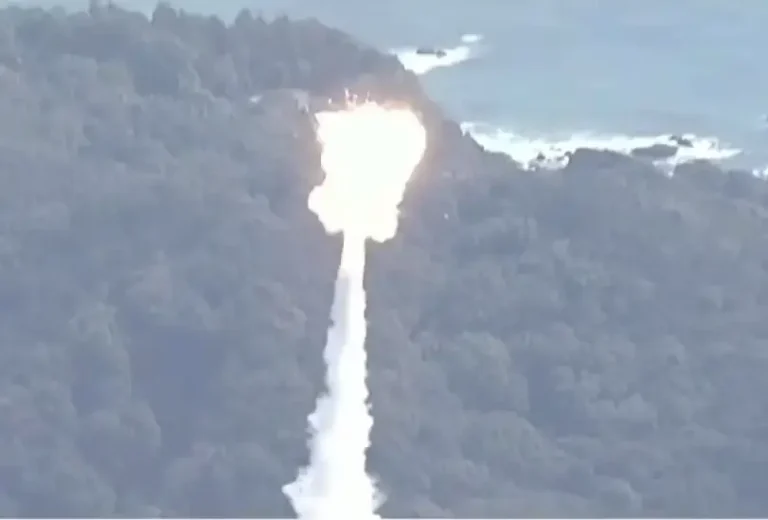
Environmental concerns increasingly shape aerospace priorities. Aviation contributes approximately 2-3% of global carbon emissions, prompting industry-wide efforts to develop cleaner technologies. Space activities also raise concerns about orbital debris and the environmental impact of launch operations.
The specialized nature of aerospace engineering creates workforce challenges. The field requires deep technical knowledge across multiple disciplines, extended education and training periods, and the ability to work on long-duration projects. Maintaining expertise as experienced engineers retire represents an ongoing concern for the industry.
Why Aerospace Engineering Matters
Aerospace engineering profoundly impacts modern society beyond enabling flight and space exploration. The technologies developed for aerospace applications often find broader uses in transportation, energy, communications, and materials science. Computational methods pioneered for aircraft design now serve numerous engineering fields. Lightweight materials developed for spacecraft improve automotive fuel efficiency. GPS satellites enable precision agriculture, emergency response, and global logistics.
The field represents human ambition to transcend physical limits and explore beyond our immediate environment. From the Wright Brothers’ first flight to rovers exploring Mars, aerospace engineering turns seemingly impossible dreams into operational reality, expanding human knowledge and capabilities.
Explore Aerospace Engineering with ENTECH STEM Magazine
ENTECH provides students and STEM enthusiasts with accessible coverage of aerospace engineering developments, breakthrough technologies, and career pathways in this dynamic field. Our articles connect aerospace engineering principles with broader STEM disciplines including physics, materials science, computer science, and systems engineering. Whether you’re interested in how aircraft achieve lift, how rockets reach orbit, or how engineers are developing the next generation of flight technologies, ENTECH offers technically accurate content that makes complex aerospace concepts understandable and engaging.