Tires Can Now Last Longer and Work Better
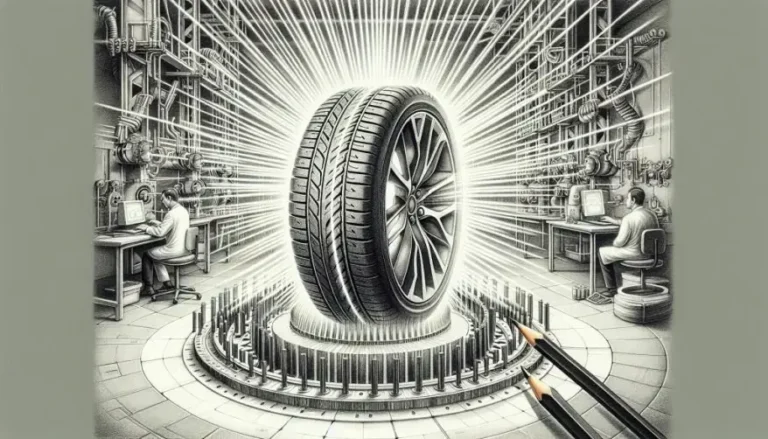
To make tires last longer and work better, Sumitomo Rubber Industries has invented a new method. This method uses synchrotron radiation. Synchrotron radiation is a type of light produced by…
Tires Can Now Last Longer and Work Better

The Future of Autonomous Driving Technology in China

Recent Accidents, Failures, and Crashes of Self-Driving Vehicles

NHTSA Investigates Ford Hands-Free Driving Tech BlueCruise After Fatal Crashes

The Revolutionary Non-Polluting Combustion Engine: A Game-Changer in the Automotive Industry
Exploring the Basics of Automobile Engineering: An Introduction

Xiaomi’s Electric Car Launch: Disrupting the Market with Innovative Technology
Automobile engineering is a specialised branch of engineering that focuses on the design, development, manufacturing and testing of vehicles. It combines principles of mechanical engineering, electrical engineering, electronics, materials science and computer technology. From engines and transmission systems to electric vehicles and automotive safety, this field covers the technologies that make modern transportation possible.
At ENTECH STEM Magazine, this category brings together educational articles, technical insights and industry developments related to automobile engineering. It helps students, aspiring engineers and technology enthusiasts understand how vehicles work, how engineers develop new automotive technologies and how the automobile industry continues to evolve.
Automobile engineering involves several engineering disciplines that work together to develop reliable, efficient and safe vehicles. Engineers study individual components as well as complete vehicle systems. Each component must work with the others to deliver the required performance.
Some important areas of automobile engineering include:
Vehicle design involves planning and developing the structure, appearance and functional features of automobiles. Engineers consider factors such as aerodynamics, weight, material selection, passenger comfort and vehicle performance. They also use computer-aided design (CAD) and engineering simulation tools to develop and evaluate vehicle components before manufacturing begins.
The powertrain transfers energy to the wheels and enables a vehicle to move. This area covers internal combustion engines, fuel systems, cooling systems, lubrication, transmissions and drivetrain components. Engineers study how these systems operate and how they can improve vehicle performance, fuel efficiency and reliability.
In addition, electric and hybrid powertrains have expanded the scope of automotive engineering. They introduce technologies such as electric motors, power electronics, battery systems and regenerative braking.
The chassis provides the structural foundation of a vehicle. It supports major components and contributes to overall strength and stability. Suspension and steering systems help maintain vehicle control, ride comfort and handling.
Vehicle dynamics examines how automobiles respond to acceleration, braking, steering and road conditions. Therefore, this area plays an important role in vehicle performance and safety.
Modern automobiles use electronic systems to monitor and control different vehicle functions. These systems include sensors, electronic control units (ECUs), embedded systems and vehicle communication networks.
For example, electronic control systems help manage engine operation, braking, battery performance and driver assistance features. As a result, automobile engineering increasingly combines mechanical design with electronics, software and control engineering.
Automotive manufacturing converts engineering designs into finished vehicles and components. It involves processes such as casting, machining, welding, forming, painting and assembly.
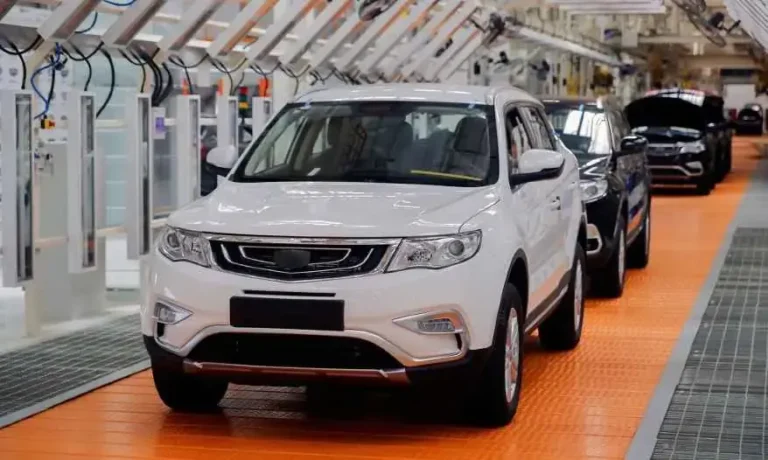
Furthermore, manufacturers use industrial automation, robotics and quality control systems to improve production accuracy and consistency. Manufacturing engineers also study material selection, production planning, testing and process optimisation.
Electric vehicles (EVs) are an important part of the changing automobile industry. Unlike conventional vehicles that rely on internal combustion engines, battery electric vehicles use electric motors for propulsion. Their development requires knowledge of electrical systems, battery technology, power electronics and thermal management.
Hybrid vehicles combine conventional engines with electric propulsion systems. Meanwhile, fuel cell vehicles use hydrogen-based technology to generate electricity for their electric motors.
Other emerging areas include autonomous driving, advanced driver assistance systems (ADAS), connected vehicle technologies and intelligent transportation systems. These developments bring together automobile engineering, artificial intelligence, computer science and electronics.
Consequently, automotive engineers increasingly work across multiple technical disciplines. They must understand how mechanical components, electronic controls and software interact within a vehicle.
Vehicle safety is another important area of automobile engineering. Engineers develop and evaluate systems that help protect passengers, drivers and other road users.
Important automotive safety technologies include airbags, anti-lock braking systems (ABS), electronic stability control (ESC) and advanced driver assistance systems. In addition, vehicle structures undergo engineering analysis and testing to evaluate their strength and ability to protect occupants.
Testing and validation also help engineers assess vehicle performance, durability, reliability, emissions and efficiency. These processes identify design problems and help manufacturers meet relevant technical and safety requirements.
Automobile engineering offers several learning pathways for students interested in vehicles, machines, design and technology. Students can explore diploma programmes, undergraduate engineering degrees and postgraduate specialisations, depending on their educational goals and available institutions.
The subject draws on foundational concepts such as engineering mechanics, thermodynamics, fluid mechanics, materials science and manufacturing technology. Later, students can explore specialised topics such as vehicle dynamics, automotive electronics, engine design, electric vehicle technology and automotive production.
Practical learning is equally important. Laboratory work, engineering projects, internships and exposure to design and simulation software help students connect classroom concepts with real engineering applications.
Career opportunities exist across automobile manufacturers, component suppliers, engineering research organisations and mobility technology companies. Depending on their qualifications and interests, graduates may explore roles in vehicle design, product development, manufacturing, quality assurance, testing, automotive electronics and electric vehicle systems.
Automobile engineering connects scientific principles with practical technologies used in everyday transportation. It also demonstrates how different branches of STEM work together to solve engineering challenges.
Through this category, ENTECH STEM Magazine brings together articles on vehicle technologies, automotive manufacturing, engineering concepts, electric mobility, safety systems and developments in the automobile industry. Students can explore technical topics, learn from industry professionals and discover how engineering knowledge applies to real-world vehicles.
Whether you are considering automobile engineering as a career, studying automotive technologies or simply interested in understanding how vehicles work, explore our collection of automobile engineering articles and discover the ideas shaping the future of transportation.