Asteroid Mining: Scientists Analyze Meteorites to Open Space Resources
Scientists are carefully examining meteorites that have fallen to Earth to better understand small asteroids and their potential for Asteroid Mining.
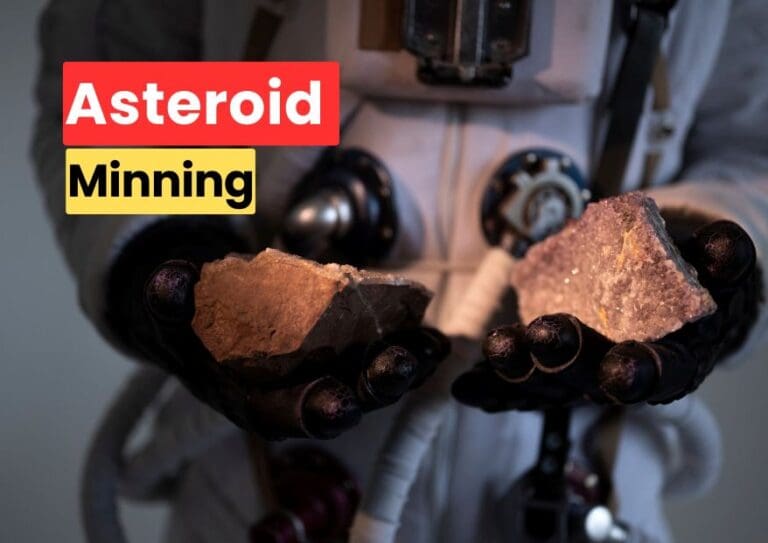
Asteroid Mining: Scientists Analyze Meteorites to Open Space Resources

Is India Sitting on a Lithium Goldmine? This Could Change Everything!

How to Become a Mining Engineer: A Guide to a Rewarding Career
Minerals and natural resources are essential to modern life. They provide the raw materials used in buildings, vehicles, electronic devices, renewable energy systems and industrial products. However, locating and extracting these resources requires careful planning, specialised equipment and engineering expertise.
Mining Engineering is the branch of engineering that focuses on the exploration, planning, development and operation of mines. It combines principles from geology, civil engineering, mechanical engineering, environmental science and technology to support the responsible extraction of mineral resources.
Mining engineers work to make mining operations efficient, economically viable and safe. They also consider environmental protection, resource conservation and the long-term impact of mining activities.
At ENTECH STEM Magazine, this category introduces students and STEM enthusiasts to the science, technology and career opportunities behind the mining industry.
Mining Engineering deals with the processes involved in finding and extracting valuable minerals from the Earth. These resources include coal, iron ore, copper, gold, limestone and other industrial minerals.
Mining engineers study geological information, evaluate mineral deposits and help plan mining operations. They also work with equipment, transportation systems, mine ventilation, mineral processing and environmental management.
Mining operations generally involve several stages, from mineral exploration and resource estimation to mine development, extraction, processing and eventual mine closure. Engineers contribute to different stages to ensure that resources are managed responsibly.
Mining geology examines the Earth’s structure, rocks, minerals and geological formations to understand where valuable mineral deposits may occur.
Mineral exploration uses geological surveys, geophysical methods, geochemical analysis and other scientific techniques to investigate potential deposits. Engineers and geologists use this information to estimate the location, size and quality of mineral resources.
Accurate exploration helps determine whether a deposit may be suitable for further development.
Mining methods depend on the location, depth, geology and characteristics of a mineral deposit.
Mining engineers evaluate geological conditions, technical requirements, costs and environmental considerations when selecting suitable mining methods.
Mine planning involves organising how a mining project will be developed and operated. Engineers study geological models, mineral reserves, equipment requirements, production targets and economic considerations.
Computer-aided design and specialised software help engineers develop mine layouts, evaluate different scenarios and plan the use of resources.
Effective mine planning also considers worker safety, environmental management and the eventual closure of the mine.
Rock mechanics studies how rocks behave under different forces and geological conditions. It is important for understanding the stability of mine structures and surrounding rock formations.
Mining engineers use this knowledge to assess ground conditions, evaluate structural risks and support safe mine design. Related topics include rock properties, ground control, slope stability and geotechnical engineering.
Mining operations depend on specialised machinery for excavation, transportation, material handling and other activities.
Mining engineers study the selection, maintenance and performance of mining equipment. They also explore how automation, sensors and digital technologies can improve equipment monitoring and operational efficiency.
This area connects Mining Engineering with Mechanical Engineering, Electrical Engineering and Mechatronics Engineering.
Extracted minerals often require further processing before they can be used in industrial applications.
Mineral processing involves separating valuable minerals from unwanted materials. It includes processes such as crushing, grinding, screening and separation.
The aim is to improve the quality and concentration of the useful mineral while managing waste materials responsibly. Mineral processing also connects mining operations with Metallurgy and Materials Engineering.
Mine environments require carefully designed systems to manage air quality, temperature and other workplace conditions.
Mine ventilation helps maintain suitable working conditions, particularly in underground operations. Mining safety engineering focuses on identifying hazards, assessing risks and developing systems to protect workers.
Safety management, emergency preparedness, occupational health and mine regulations are important parts of modern mining education and practice.
Mining can affect land, water, air and surrounding ecosystems. Environmental management focuses on understanding and reducing these impacts.
Mining engineers work with environmental specialists to manage waste, monitor water quality, improve resource efficiency and plan land rehabilitation. Mine closure planning also considers how a site can be managed and restored after mining activities end.
Mining Engineering supports several important industries and sectors.
Iron ore, limestone, sand, gravel and other minerals provide essential raw materials for construction, roads, bridges and infrastructure projects.
Coal and other mineral resources have historically supported energy production. Mining also supplies materials needed for modern energy technologies, including batteries, electrical systems and renewable energy infrastructure.
Copper, lithium, nickel, cobalt and several other minerals are used in electronic devices, electrical equipment and energy storage technologies. Responsible mineral supply is therefore important to the development of modern technology.
Minerals and metals are used in machinery, vehicles, tools, industrial equipment and many manufactured products. Mining provides important raw materials for these industries.
Technology is changing how mining operations are planned, monitored and managed. Some important developments include:
Students interested in Mining Engineering can explore undergraduate and postgraduate programmes in mining engineering, mineral engineering and related disciplines.
The field combines subjects such as mathematics, physics, chemistry, geology, engineering mechanics, mine planning and environmental science. Students also develop practical knowledge through laboratory work, field visits, projects and technical training.
Career opportunities may include:
Mining engineers may work with mining companies, mineral exploration organisations, engineering consultancies, equipment manufacturers, research institutions and government agencies.
Mining Engineering connects Earth sciences with practical engineering and modern technology. From identifying mineral resources to planning mines and improving environmental management, this discipline plays an important role in supplying the materials that support society.
Explore ENTECH STEM Magazine for educational articles, engineering concepts, emerging technologies and career insights related to Mining Engineering. Discover how engineers use science, innovation and responsible practices to shape the future of mineral-resource development.