Fiber Optic Sand Monitoring Protects Offshore Oil Wells
Fiber optic sand monitoring uses distributed acoustic sensing to detect sand inside offshore wells in real time, helping engineers prevent damage and maintain safe drilling operations.

Fiber Optic Sand Monitoring Protects Offshore Oil Wells
Refuse-Derived Fuel Gasification as a Waste-to-Energy Strategy

Cleaner Diesel Engines: Reducing Emissions with Innovative Technologies
Petroleum Engineer: Career Scope, Salary Outlook, and Entry Requirements
Oil and natural gas remain important energy resources and raw materials for many industries. They support transportation, electricity generation, manufacturing, petrochemicals and the production of everyday materials. Finding and producing these resources requires specialised knowledge of geology, physics, chemistry and engineering.
Petroleum Engineering is the branch of engineering concerned with the exploration, evaluation, development and production of oil and natural gas resources. It combines engineering principles with earth sciences and technology to understand underground reservoirs and manage petroleum resources.
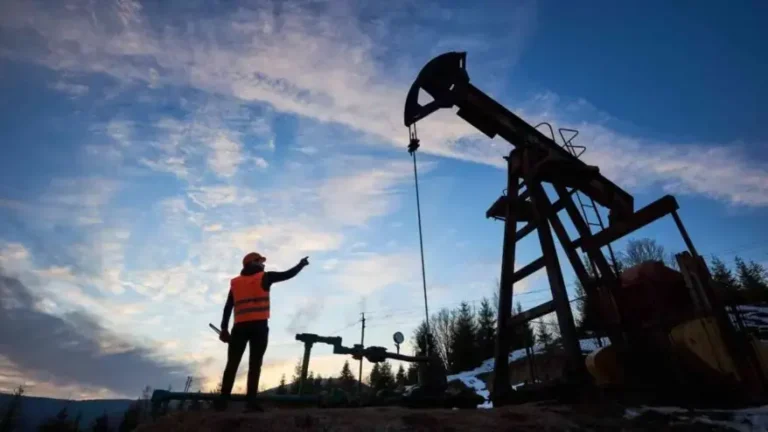
Petroleum engineers work across different stages of the oil and gas industry. Their responsibilities may include evaluating underground formations, planning wells, studying reservoir behaviour, improving production systems and managing resources efficiently. The field is also evolving through digital technologies, automation and research into more sustainable energy operations.
At ENTECH STEM Magazine, this category introduces students and STEM enthusiasts to the science, technology and career opportunities associated with Petroleum Engineering.
Petroleum Engineering focuses on the engineering systems and processes involved in recovering oil and natural gas from underground reservoirs.
Petroleum resources are found in geological formations beneath the Earth’s surface and below the seabed. Engineers work with geologists and other specialists to understand these formations and evaluate their potential.
The discipline covers several connected areas, including petroleum geology, exploration, drilling, reservoir engineering, production engineering and well management.
Petroleum engineers use scientific analysis, mathematical models, laboratory measurements and computer simulations to understand reservoir conditions and support engineering decisions. Their work connects subsurface resources with the facilities and systems used to process and transport extracted hydrocarbons.
Petroleum geology studies the geological conditions associated with oil and natural gas deposits. It examines rock formations, sedimentary basins, geological structures and the processes involved in petroleum formation and accumulation.
Exploration combines geological studies with geophysical and geochemical information to investigate potential petroleum resources. Engineers and geoscientists use this information to assess underground formations and identify areas that may contain commercially significant deposits.
Drilling engineering focuses on the engineering aspects of creating wells to access underground oil and natural gas reservoirs.
Petroleum engineers work with specialised teams to evaluate well designs, technical requirements, equipment systems and operating conditions. They also consider well integrity, reliability and environmental protection.
Drilling engineering connects Petroleum Engineering with Mechanical Engineering, Civil Engineering and Instrumentation and Control Engineering.
Reservoir engineering studies the behaviour of oil, natural gas and water within underground rock formations.
Engineers examine properties such as porosity, permeability, fluid characteristics and reservoir pressure. These properties influence how fluids move through the reservoir and how much petroleum may be recovered.
Reservoir modelling and simulation help engineers understand reservoir behaviour, estimate production potential and evaluate different resource-management approaches.
Production engineering focuses on the systems involved in bringing oil and natural gas from underground reservoirs to the surface.
It includes the study of well performance, production equipment, fluid movement and surface production facilities. Engineers evaluate how production systems perform and identify opportunities to improve efficiency and reliability.
This area also considers the separation and initial treatment of produced fluids before they move to further processing or transportation facilities.
Well completion concerns the engineering systems that prepare a well for production or other intended operations.
Well integrity focuses on maintaining the reliability of the well throughout its operating life. Engineers consider the performance of well components, materials, monitoring systems and maintenance requirements.
These areas are important for protecting people, infrastructure and the surrounding environment.
Some petroleum reservoirs contain resources that cannot be recovered through their initial production mechanisms. Enhanced oil recovery (EOR) studies methods that may help improve the amount of petroleum recovered from a reservoir.
Engineers evaluate reservoir characteristics, fluid behaviour and the suitability of different recovery approaches. Research in this area also examines the technical, economic and environmental considerations associated with resource recovery.
Natural gas engineering focuses on the properties, production, processing and transportation of natural gas.
Engineers study gas reservoirs, production systems, gas treatment and the infrastructure required to deliver natural gas to consumers and industries.
Natural gas processing may involve removing impurities and separating different components to meet quality and safety requirements.
Offshore petroleum engineering deals with oil and natural gas resources located beneath the seabed.
It combines petroleum engineering with marine, mechanical, structural and environmental engineering. Offshore projects require specialised infrastructure and careful consideration of ocean conditions, equipment reliability and environmental protection.
Petroleum Engineering contributes to several industries and areas of economic activity.
Oil and natural gas are used in various energy systems, including transportation fuels, industrial energy and electricity generation. Petroleum engineers contribute to the development and management of the resources and production systems that supply these industries.
Petroleum and natural gas are important feedstocks for petrochemical manufacturing. These resources are used to produce materials such as plastics, synthetic fibres, solvents and various industrial chemicals.
Petroleum Engineering supports the resource-production side of this value chain, while Chemical Engineering focuses more directly on the industrial processes that convert raw materials into products.
Oil and natural gas require specialised infrastructure for storage, processing and transportation. Petroleum engineers work with other engineering disciplines to support the systems that connect production sites with processing facilities and distribution networks.
Petroleum resources support a wide range of industrial activities. Their role as energy sources and chemical feedstocks makes petroleum production an important part of several manufacturing and infrastructure supply chains.
Technology and changing energy requirements are influencing the future of Petroleum Engineering.
Students interested in Petroleum Engineering can explore undergraduate and postgraduate programmes in petroleum engineering, petroleum technology, energy engineering and related disciplines.
The field combines mathematics, physics, chemistry, geology, thermodynamics, fluid mechanics and engineering analysis. Students also study subjects such as reservoir engineering, drilling technology, production systems and petroleum geology.
Career opportunities may include:
Graduates may work with energy companies, engineering consultancies, research organisations, equipment manufacturers and other organisations involved in energy production and resource management. Some specialised roles may require postgraduate education or additional professional training.
Petroleum Engineering brings together geology, physics, mathematics and technology to understand and manage important energy resources. From exploring underground formations to studying reservoir behaviour and developing production systems, this discipline offers a wide range of engineering challenges.
As the energy sector evolves, petroleum engineers also have opportunities to contribute to digital innovation, environmental management and emerging energy technologies.
Explore ENTECH STEM Magazine for educational articles, engineering concepts, emerging technologies and career insights related to Petroleum Engineering. Discover how engineers connect earth sciences with technology to support the development and management of energy resources.