Vibration Response Analysis of Underground Tunnel Structures
Engineers use vibration response analysis of underground tunnel structures to reduce shaking risks. Learn how modern tools improve urban safety.

Vibration Response Analysis of Underground Tunnel Structures

How Abutments Transfer Loads Safely

Automating AISC 360 Compliance: How Structural Analysis Software Speeds Up Design Checks
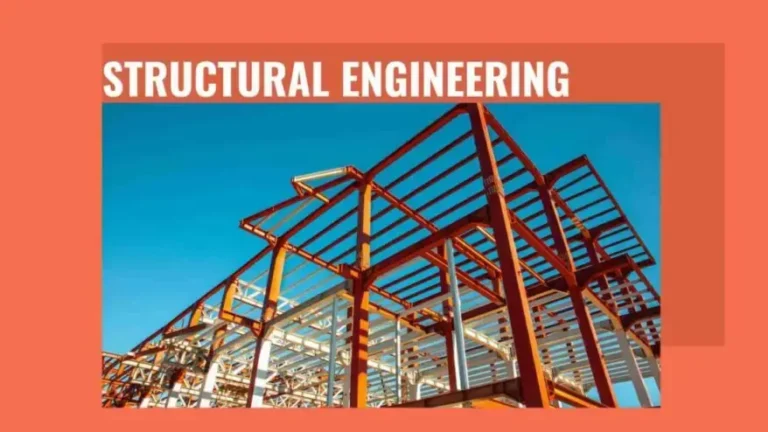
Structural Engineering Course: What Does a Structural Engineer Do?
Buildings, bridges, towers, dams and other infrastructure depend on carefully designed structural systems. These structures must support their own weight, withstand external forces and remain stable throughout their service life. Structural Engineering provides the scientific and technical knowledge needed to make this possible.
Structural Engineering is a specialised branch of engineering that focuses on analysing, designing, constructing and maintaining structures. It applies principles of mechanics, mathematics, physics and materials science to understand how structures behave under different loads and environmental conditions.
Structural engineers study how forces move through structural components, how materials respond to stress and how buildings and infrastructure can remain safe and durable. They work with architects, construction professionals, civil engineers and other specialists to turn design concepts into reliable structures.
At ENTECH STEM Magazine, this category introduces students and STEM enthusiasts to structural design, engineering principles, modern construction technologies and career opportunities in this field.
Structural Engineering is concerned with the strength, stability, stiffness and performance of structures. It examines how different structural elements interact and how they respond to forces such as gravity, wind, earthquakes and temperature changes.
A structure may contain elements such as beams, columns, slabs, foundations, trusses and supporting walls. Each element has a specific role in transferring loads safely to the ground.
Structural engineers analyse these elements and select suitable materials, dimensions and structural systems. They also consider building codes, safety requirements, construction methods, durability and project costs.
The discipline is important in the design of residential buildings, commercial structures, industrial facilities, bridges, stadiums, towers and large infrastructure projects.
Structural analysis examines how structures respond to different loads and forces. Engineers calculate reactions, internal forces, bending moments, shear forces, stresses and deflections.
They use mathematical methods and specialised software to understand structural behaviour. Analysis helps engineers identify potential weaknesses and determine whether a proposed design can meet the required performance and safety standards.
Structural design involves selecting and arranging structural elements so that a building or infrastructure system can safely support the loads acting on it.
Engineers consider the properties of materials, structural geometry, load combinations, stability and applicable design standards. The goal is to develop structures that are safe, functional, durable and economical.
Structural design is used in buildings, bridges, industrial facilities, towers and many other applications.
Reinforced concrete combines concrete with steel reinforcement to create structural elements that can resist different types of forces.
This material is widely used in buildings, bridges, foundations, retaining walls and other infrastructure. Structural engineers study concrete properties, reinforcement arrangements, durability and structural behaviour.
They also explore specialised approaches such as prestressed and post-tensioned concrete.
Steel is widely used in structures that require strength, flexibility and efficient construction. It is commonly found in industrial buildings, bridges, stadiums, towers and high-rise structures.
Structural engineers study steel properties, connections, structural stability, load resistance and fabrication requirements. They also evaluate how steel structures respond to forces such as wind and earthquakes.
Earthquake engineering studies how structures behave during seismic activity and how their design can reduce earthquake-related damage.
Engineers examine ground motion, structural vibrations, lateral forces and the response of buildings to earthquakes. They use this knowledge to develop earthquake-resistant designs and improve the performance of existing structures.
Related technologies include seismic isolation systems, energy-dissipating devices and structural damping systems.
Structures can experience dynamic forces from earthquakes, wind, machinery, traffic and other sources.
Structural dynamics examines how structures respond to time-dependent forces and vibrations. Wind engineering studies the effects of wind pressure and airflow on buildings, towers and bridges.
These areas are particularly important for tall buildings, long-span bridges, stadiums and other structures exposed to significant environmental forces.
A structure transfers its loads to the ground through its foundation. Therefore, engineers must understand both the structural system and the soil supporting it.
Soil-structure interaction studies how the ground and a structure influence each other’s behaviour. It helps engineers understand settlement, foundation response and the effects of ground conditions on structural performance.
This area connects Structural Engineering with Geotechnical Engineering.
Structures may deteriorate over time because of ageing, corrosion, repeated loading, environmental exposure or unexpected events.
Structural health monitoring uses sensors, measurements and data analysis to assess the condition and performance of structures. Engineers can use this information to identify changes that may require further investigation.
Structural rehabilitation focuses on repairing, strengthening or upgrading existing structures. It helps extend their service life and improve their safety and performance.
Structural Engineering supports a wide range of construction and infrastructure projects.
Residential buildings, offices, shopping centres and skyscrapers require structural systems that can support their weight and withstand environmental forces.
Structural engineers work on the design of foundations, columns, beams, slabs, walls and other components.
Bridges must support their own weight as well as traffic, wind, temperature changes and other loads.
Structural engineering principles are used in the design and assessment of different bridge types, including beam, arch, suspension and cable-stayed bridges.
Factories, warehouses, power facilities and industrial plants often contain specialised structural systems. Engineers design these structures to meet operational requirements and support equipment, machinery and other loads.
Dams, reservoirs and water-related structures must withstand substantial forces from stored water, soil and environmental conditions.
Structural engineers contribute to their analysis, design, inspection and maintenance.
Stadiums, exhibition centres and public venues often require large open spaces and long-span structural systems. Structural engineering helps create designs that balance safety, functionality and architectural requirements.
New technologies and materials are changing how engineers design, construct and monitor structures.
Students interested in Structural Engineering can explore undergraduate and postgraduate programmes in civil engineering, structural engineering and related disciplines. Structural Engineering is commonly offered as a specialisation within Civil Engineering.
The field combines mathematics, physics, engineering mechanics, strength of materials, structural analysis, concrete design, steel design and geotechnical fundamentals. Students also develop practical skills through laboratory experiments, design projects, technical drawing and computer-based analysis.
Career opportunities may include:
Professionals may work with structural design consultancies, construction companies, infrastructure developers, government agencies, research institutions and engineering firms. Some specialised roles require postgraduate education or professional registration, depending on the country and type of work.
Structural Engineering plays an essential role in creating the buildings and infrastructure that support modern society. From designing earthquake-resistant buildings to developing innovative bridges and monitoring ageing structures, engineers use science and technology to improve structural safety and performance.
As construction methods, materials and digital tools continue to evolve, Structural Engineering offers new opportunities for research and innovation.
Explore ENTECH STEM Magazine for educational articles, engineering concepts, construction technologies and career insights related to Structural Engineering. Discover how engineers combine creativity, mathematics and scientific principles to design the structures that shape our world.