
Category: Pharmacy Practice and Clinical Pharmacy
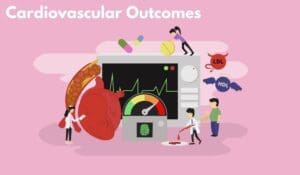






Pharmacy Practice and Clinical Pharmacy explain how pharmacists help people use medicines safely and correctly. In simple words, this category shows what pharmacists do beyond giving medicines. It covers patient care, medicine safety, counselling, telepharmacy, community health, and clinical decision-making. Above all, it helps students understand how pharmacy connects science with real patient care.
Clinical Pharmacy Services
Clinical pharmacy focuses on using medicines in the best possible way for each patient. To explain, clinical pharmacists may review prescriptions, check doses, monitor side effects, and support doctors in treatment decisions. In hospitals, they often work with healthcare teams. As a result, patients can receive safer and more effective medicine care.
Medication Therapy Management
Medication therapy management, or MTM, is a structured way to review all the medicines a person uses. At first, this may sound simple. However, it can prevent many problems. Pharmacists check whether each medicine is needed, effective, safe, and easy to take. This supports the global goal of reducing avoidable medicine-related harm (World Health Organization, 2017).
Patient Counselling and Communication
Patient counselling is one of the most important pharmacy skills. In this case, the pharmacist explains how to take a medicine, when to take it, what side effects to watch for, and what to avoid. To put it differently, counselling turns a prescription into clear action. Good communication also helps patients ask questions without fear.
Medication-Related Problems and Safety
Medication-related problems can happen when a medicine is not suitable, not effective, unsafe, or not taken correctly. For example, a patient may take two medicines that interact with each other. By comparison, another patient may miss doses because the schedule is confusing. With attention to safety, pharmacists help find and fix these problems early.
Medication Routine and Adherence
Medication adherence means taking medicines as prescribed. In general, this becomes easier with simple routines, reminders, labels, and family support. What’s more, pharmacists can explain what to do if a dose is missed, provided that the advice is based on the medicine and patient situation. This cluster helps students see why small habits matter in healthcare.
Community Pharmacy and Public Health
Community pharmacists are often the most accessible healthcare professionals. They answer medicine questions, support minor health concerns, guide safe self-care, and promote health awareness. During public health events, pharmacists may also support vaccination, screening, and health education. In short, community pharmacy connects medicine knowledge with everyday life.
Telepharmacy and Digital Care
Telepharmacy uses digital tools to provide pharmacy services from a distance. At the present time, this can include online counselling, prescription review, medicine information, and remote support. While this may be true, patient privacy, documentation, and safety checks still matter.
Global Pharmacy Practice
Pharmacy practice can look different across countries. However, the goal is similar: safe, effective, and responsible medicine use. All in all, this category helps teens explore pharmacy practice and clinical pharmacy as a real career path grounded in patient care, science, and trust.