Brain Plasticity Learning: Why Listening Matters More Than Practice
Discover the connection between brain plasticity learning and speech, and how new research alters our understanding of memory.
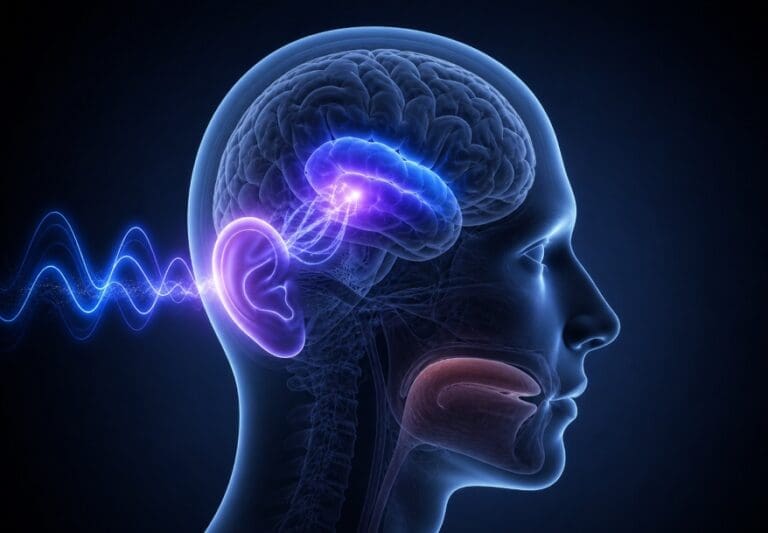
Brain Plasticity Learning: Why Listening Matters More Than Practice

Can a Routine Blood Test Predict Alzheimer’s Years Before Symptoms?
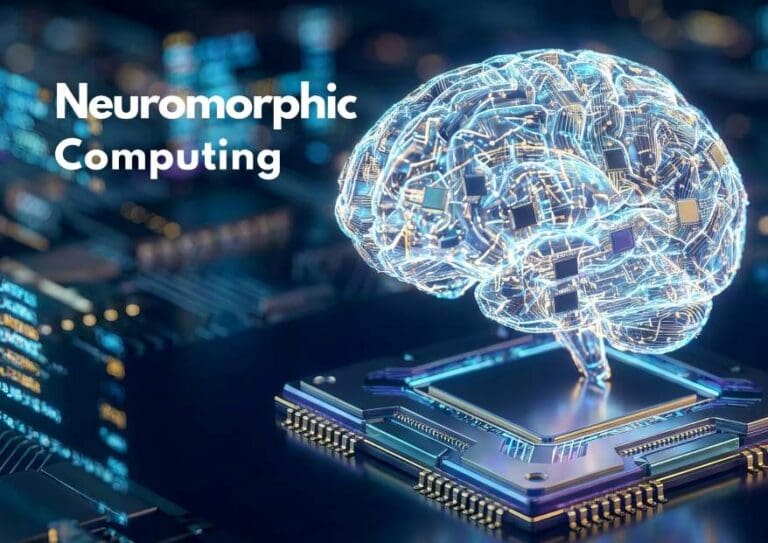
Neuromorphic Computing System Meets Science: Solving Complex Equations Like the Brain
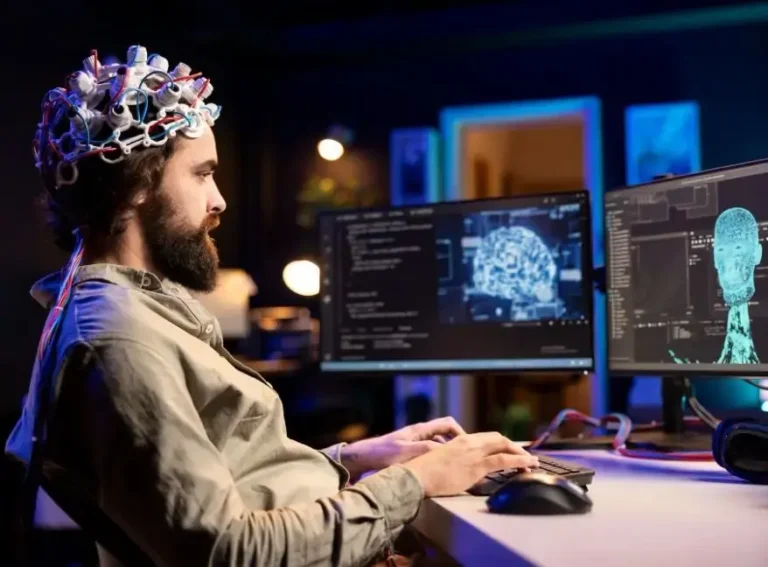
Artificial Neurons Mimic Real Brain Signals at Ultra-Low Power
CL1 Biological Computer: The Future of Computing?

Atomic Nuclei: Frontier Supercomputer’s Nuclear Science Breakthrough
Decoding Functional MRI: Discover MindLLM’s Impact on Neuroscience!

Future of Neuromorphic Chips Computing
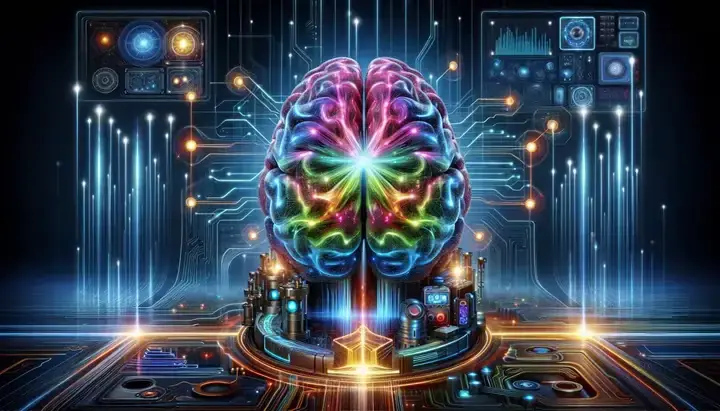
World’s First Living Computer: A Breakthrough in Biocomputing

IISc Scientists Achieve Groundbreaking Advancement in Neuromorphic Computing
Neurobiotechnology brings together neuroscience, biotechnology, molecular biology, and bioengineering to advance our understanding of the brain and nervous system. It applies biological tools and technologies to study neural cells, investigate brain functions, and explore new approaches to neurological research. By combining knowledge of living systems with modern laboratory and computational methods, this field is expanding the possibilities of brain science.
The nervous system is one of the most complex biological systems. It consists of neurons, supporting cells, neural networks, and specialised structures that regulate movement, memory, learning, communication, and other essential functions. Understanding these systems requires more than traditional observation. Therefore, researchers increasingly use biotechnology to examine neural processes at cellular and molecular levels.
At ENTECH STEM Magazine, this category explores the science, technologies, research methods, and emerging applications shaping Neurobiotechnology.
Neurobiotechnology covers a range of scientific approaches used to investigate and work with the nervous system. These approaches include cell-based research, genetic analysis, molecular techniques, bioengineered models, and advanced diagnostic tools.
For example, researchers can study how neurons develop, communicate, and respond to changes in their environment. They can also investigate how genetic and molecular factors contribute to neurological conditions. These methods help scientists understand the biological mechanisms behind brain development, neural function, and disease.
Some important areas within Neurobiotechnology include:
Neural stem cells can develop into different types of neural cells under suitable conditions. Researchers study these cells to understand nervous system development, investigate cellular repair, and explore potential approaches to neurological regeneration.
Stem cell research also supports the development of laboratory models for studying diseases and testing experimental treatments. However, many regenerative applications remain under investigation and require further research before they can become established clinical treatments.
Brain organoids are three-dimensional, cell-based models developed from stem cells. They can reproduce selected features of human brain development and provide researchers with experimental systems for studying neural biology.
In addition, tissue engineering and biomaterials help scientists create controlled environments for growing and examining neural cells. These technologies support research into brain development, neurological disorders, drug responses, and potential regenerative approaches.
Neurogenetics examines how genes influence the development and functioning of the nervous system. Molecular neuroscience investigates the proteins, genes, signalling pathways, and cellular processes involved in neural activity.
Biotechnology tools such as DNA sequencing, gene analysis, molecular imaging, and gene-editing research help scientists investigate these processes. As a result, researchers can explore the genetic and molecular factors associated with inherited neurological conditions and other changes in brain function.
Biosensors are analytical tools that detect biological signals or specific substances. In neuroscience research, specialised sensors can help monitor neural activity, identify biomarkers, and study chemical signals within biological systems.
These technologies can support laboratory research and the development of diagnostic approaches. They also connect Neurobiotechnology with bioelectronics, biomedical engineering, and advanced measurement systems.
Developing treatments for conditions affecting the brain and nervous system presents several scientific challenges. Biotechnology helps researchers investigate disease mechanisms, identify potential therapeutic targets, and evaluate experimental compounds.
Cell-based models, brain organoids, molecular analysis, and computational methods can contribute to early-stage drug discovery. Moreover, these approaches help researchers study how different biological systems respond to potential treatments.
Neurobiotechnology has applications across several areas of scientific research and healthcare. Its importance extends from understanding basic neural processes to investigating new approaches for neurological conditions.
Neurological disease research: Scientists use cellular, genetic, and molecular techniques to investigate conditions affecting the brain, spinal cord, and peripheral nervous system. This research can improve understanding of disease development and identify potential areas for further study.
Brain development research: Stem cell models and brain organoids help researchers examine how neural cells develop, organise, and form connections. These models provide valuable opportunities to investigate processes that are difficult to study directly in humans.
Drug discovery and testing: Biotechnology-based laboratory models can help researchers examine how experimental compounds interact with neural cells. They can also support early-stage studies of drug activity and potential toxicity.
Regenerative medicine: Researchers investigate whether stem cells, biomaterials, and tissue engineering methods could contribute to repairing or replacing damaged neural tissue. However, many of these approaches remain experimental.
Personalised biomedical research: Genetic information and cell-based models may help researchers investigate differences between individuals and understand how biological characteristics influence disease processes and treatment responses.
Neurobiotechnology overlaps with several scientific and engineering disciplines. However, each field has a different emphasis.
These disciplines often work together. For instance, a research project involving brain organoids may combine stem cell biotechnology, neural tissue engineering, molecular neuroscience, and computational analysis.
Despite its potential, Neurobiotechnology faces important scientific and practical challenges. Neural cells and brain tissues are highly complex, and laboratory models cannot yet reproduce every feature of a functioning human nervous system.
Researchers must also address issues involving experimental reproducibility, biological variability, safety, and the translation of laboratory findings into clinical applications. Furthermore, research involving genetic information, stem cells, and human-derived biological models requires careful ethical oversight.
Future developments may involve more advanced brain organoids, improved neural tissue models, precision gene-editing research, sophisticated biosensors, and AI-assisted analysis of biological data. Better integration of these technologies could help researchers investigate neurological processes with greater detail.
Neurobiotechnology demonstrates how biology, engineering, and technology can work together to address complex scientific questions. It also creates opportunities for students and researchers interested in neuroscience, biotechnology, biomedical engineering, genetics, and regenerative medicine.
Explore ENTECH STEM Magazine for articles on Neurobiotechnology, emerging research, scientific discoveries, and the technologies shaping the future of brain science.