Plant Biotechnology: Transforming the Future of Agriculture
From Genes to Fields: The Power of Plant Biotechnology

Plant Biotechnology: Transforming the Future of Agriculture
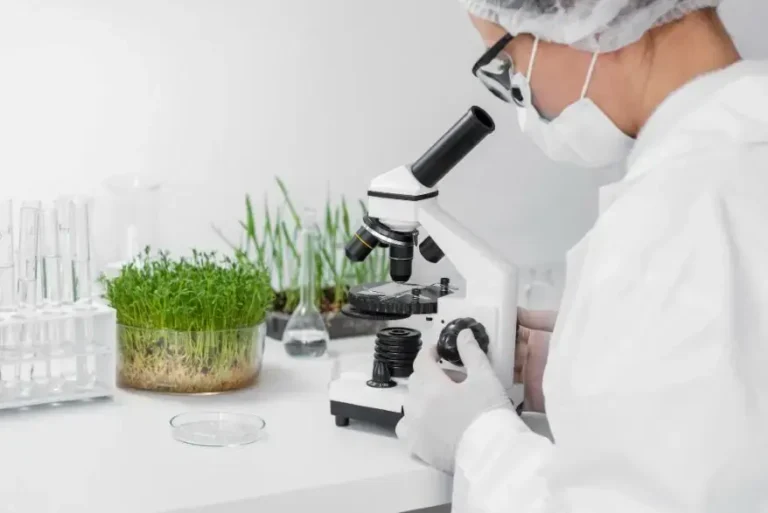
Plant-Inspired Molecular System: The Future of Artificial Photosynthesis

For a Greener Tomorrow: New Approach to Artificial Photosynthesis
A New AI Tool: Decoding Plant RNA
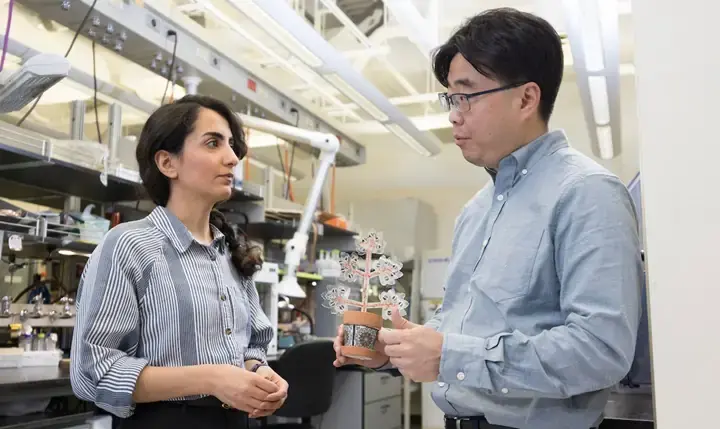
Artificial Plants that Generate Electricity

Advances in Plant-Based and Animal-Based Milk
Plant Biotechnology combines plant science, genetics, molecular biology, and technology to understand, propagate, and improve plants. It uses biological systems and laboratory techniques to develop plant varieties with useful characteristics, study plant growth, and address challenges in agriculture and the environment.
Plants are essential for food production, medicine, industrial materials, and ecosystem stability. However, agriculture faces challenges such as plant diseases, changing climatic conditions, limited natural resources, and increasing demand for food. Plant Biotechnology offers scientific tools that can help researchers and plant breeders address these challenges.
The field includes several approaches, from traditional plant tissue culture to advanced genetic engineering and genome editing. At ENTECH STEM Magazine, this category explores the science, techniques, applications, and innovations shaping Plant Biotechnology.
Plant Biotechnology refers to the application of biological and technological methods to study, modify, propagate, and improve plants. It combines knowledge of plant cells, tissues, genes, and molecular processes with laboratory and computational techniques.
For example, researchers can grow plant cells or tissues under controlled laboratory conditions to produce new plants. They can also analyse genetic information to identify useful traits or investigate how plants respond to environmental conditions.
Some approaches involve selecting naturally occurring genetic variations, while others use molecular techniques to introduce or modify specific characteristics. Therefore, Plant Biotechnology includes much more than genetically modified crops.
Plant tissue culture involves growing plant cells, tissues, or organs under controlled laboratory conditions. It usually uses a nutrient medium that provides the materials required for growth and development.
One important application is micropropagation, which allows researchers and growers to produce large numbers of plants from selected parent material. It can support the propagation of plants that are difficult to grow through conventional methods.
Tissue culture also contributes to plant conservation, research, and the production of disease-free planting material. However, successful results depend on the plant species, culture conditions, and laboratory techniques.
Genetic engineering involves modifying an organism’s genetic material using molecular biology techniques. In plants, researchers may introduce, remove, or alter genetic sequences to investigate or develop specific traits.
For example, scientists have developed crops with traits such as resistance to particular insect pests or tolerance to certain environmental conditions. Genetic engineering also supports research into plant development, metabolism, and responses to stress.
It is important to distinguish genetic engineering from conventional plant breeding. Both can contribute to crop improvement, but they use different methods to achieve changes in plant characteristics.
Genome editing uses molecular tools to make targeted changes to an organism’s DNA. Technologies such as CRISPR-based systems have expanded research possibilities by allowing scientists to investigate specific genes and their functions.
In Plant Biotechnology, genome editing can help researchers study traits related to plant growth, disease resistance, nutritional composition, and environmental adaptation.
Genome editing is related to genetic engineering, but the methods and resulting genetic changes can differ. Not every genome-editing approach introduces foreign DNA into a plant.
Molecular markers are identifiable DNA sequences associated with particular genetic regions or traits. Researchers use them to study genetic diversity and support plant breeding.
Marker-assisted selection allows breeders to identify plants carrying desired genetic markers without relying only on visible characteristics. Consequently, it can help make some stages of crop improvement more efficient.
This approach connects plant breeding with genetics, genomics, and bioinformatics.
Plant genomics focuses on studying the complete genetic information of plants. Modern sequencing technologies allow researchers to examine plant genomes and investigate the genes involved in growth, development, and environmental responses.
Bioinformatics supports this work by providing computational methods to analyse large biological datasets. Researchers can use these methods to identify genes, compare plant genomes, and investigate relationships between genetic variation and plant characteristics.
Plant Biotechnology has applications across agriculture, food production, environmental research, and industrial development.
Crop improvement: Biotechnology supports the development and selection of crop varieties with useful characteristics. These may include improved disease resistance, changes in nutritional composition, and better adaptation to particular growing conditions.
Plant disease research: Molecular and genetic techniques help researchers identify plant pathogens and investigate how plants respond to infections. This knowledge can support the development of improved disease-management approaches.
Micropropagation and commercial agriculture: Tissue culture enables the large-scale propagation of selected plants. It is used in horticulture, forestry, ornamental plant production, and the propagation of certain agricultural crops.
Nutritional improvement: Researchers investigate ways to improve the nutritional characteristics of food crops. These efforts may involve studying genes associated with vitamins, minerals, and other important plant compounds.
Environmental applications: Certain plants can help remove, absorb, or stabilise pollutants in contaminated environments. This process is known as phytoremediation. Biotechnology research can investigate plant characteristics that may support these applications.
Plant conservation: Tissue culture, genetic analysis, and cryopreservation research can contribute to the conservation of selected plant species and valuable genetic resources.
Plant Biotechnology connects with several other scientific disciplines. However, each field has a different emphasis.
These fields often work together. For instance, a crop improvement project may combine plant tissue culture, molecular markers, genetic analysis, and genome editing.
Plant Biotechnology offers valuable research opportunities, but its applications also involve scientific, environmental, and practical considerations.
Developing improved plant varieties can take time because many important characteristics depend on several genes and their interactions with environmental conditions. In addition, laboratory results must be evaluated under relevant growing conditions before new approaches can be adopted more widely.
Researchers also consider biosafety, biodiversity, gene flow, regulatory requirements, and the potential effects of new plant varieties on agricultural ecosystems. These factors require appropriate scientific assessment and oversight.
Future developments may involve more precise genome-editing methods, improved plant tissue culture systems, AI-assisted crop research, advanced genomic analysis, and climate-resilient crop development. Researchers are also exploring ways to combine biological data with environmental and agricultural information.
Together, these developments could improve our understanding of plant biology and contribute to more informed approaches to agriculture and plant conservation.
Plant Biotechnology demonstrates how biology, genetics, and technology can contribute to agriculture, environmental research, and food production. It also creates opportunities for students interested in biotechnology, plant science, genetics, agricultural engineering, and bioinformatics.
Explore ENTECH STEM Magazine for articles on Plant Biotechnology, plant tissue culture, crop improvement, genetic research, and emerging technologies shaping the future of plant science.