In recent years, fermented foods With Psychobiotics have gained attention for their health benefits. Moreover, certain fermented foods contain psychobiotics, which, according to research, may help alleviate social anxiety. Given these findings, this article therefore…
Fermented Foods With Psychobiotics May Naturally Help Lower Social Anxiety
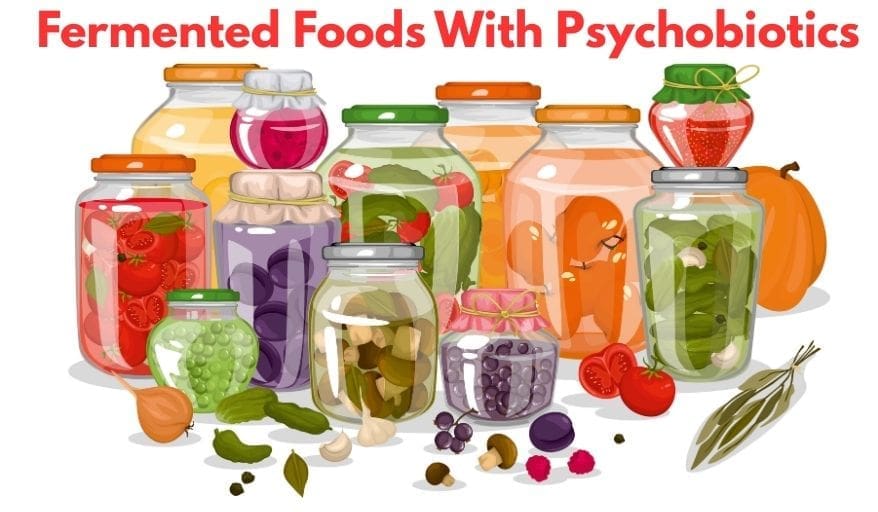
In recent years, fermented foods With Psychobiotics have gained attention for their health benefits. Moreover, certain fermented foods contain psychobiotics, which, according to research, may help alleviate social anxiety. Given these findings, this article therefore explores the potential connection between psychobiotics and improved social well-being.
Psychobiotics are live bacteria that offer significant mental health benefits. In addition, they influence the gut-brain axis, a connection that is particularly important for overall psychological well-being. Consequently, understanding psychobiotics can provide valuable insights into the relationship between gut health and mental health.
Key Takeaways
- Psychobiotics defined as live bacteria conferring mental health benefits via gut-brain axis.
- Key strains like Lactobacillus and Bifidobacterium reduce anxiety and depression in trials.
- Mechanisms involve vagus nerve signaling, cytokine modulation, and neurotransmitter production.
- Evidence from animal models shows improved stress response and cognitive function.
- Clinical potential for psychiatric disorders, urging further human studies
Understanding the Gut-Brain Axis
The gut functions much like a second brain. In fact, it communicates with the brain constantly, with nerves transmitting these messages. Furthermore, hormones also play a crucial role in this process. As a result, this ongoing dialogue not only affects mood but can also influence behavior.
Probiotics versus Psychobiotics
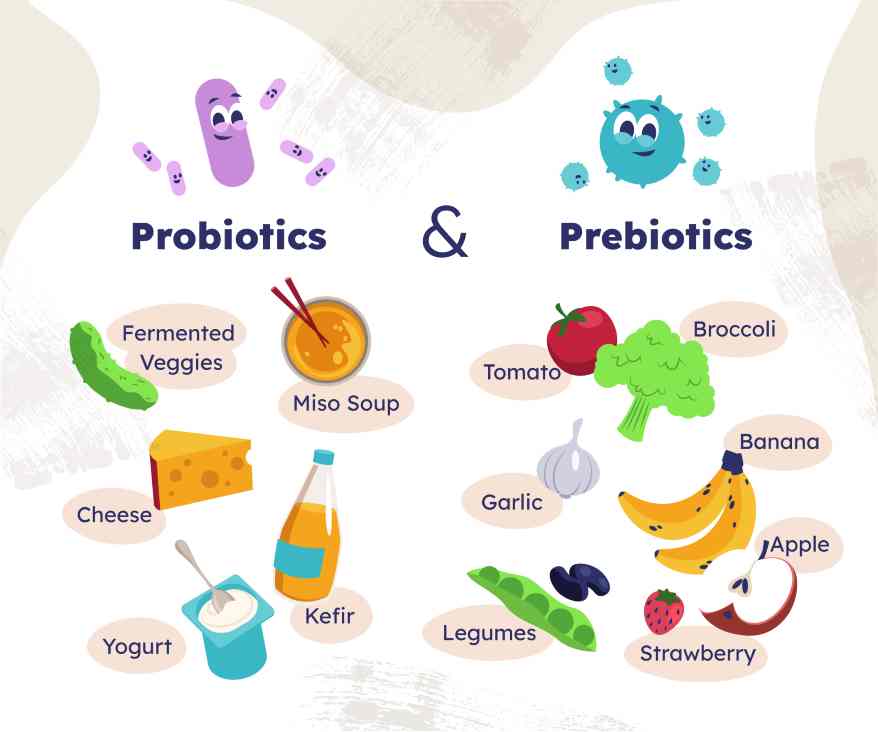
Probiotics help digestion. They support gut health overall. Psychobiotics specifically target mood. They aim for mental well-being. So, they are a special type.
Sources of Psychobiotics
Fermented foods are key. They naturally contain these microbes. Yogurt is a common example. Sauerkraut is another food. Kimchi also holds these. Kefir is a popular drink. Kombucha is also a source.
Recent research suggests that fermented foods containing psychobiotics may play a significant role in naturally reducing social anxiety. Moreover, this intriguing connection between gut health and mental well-being underscores the importance of nutrition in supporting psychological resilience. Consequently, paying attention to what we eat can have meaningful effects on mental health. For those interested in exploring how education in artificial intelligence and machine learning can further enhance our understanding of such topics, a related article discusses the crucial role of AI and ML in K-12 learning.
How Fermented Foods Work
Fermented foods aid digestion. In addition, they produce beneficial compounds, which, in turn, can reach the brain and support overall health. What’s more, this process is complex.
Production of Neurotransmitters
Gut bacteria produce various chemicals. For instance, some of these chemicals act as neurotransmitters, with serotonin being a notable example. It boosts mood significantly. Dopamine is another chemical. It relates to reward. These chemicals start in the gut. They can influence brain function.
Reducing Inflammation
Chronic inflammation can harm the brain and is closely linked to mood disorders. Fortunately, fermented foods can help reduce inflammation, primarily by improving gut health. As a result, a healthier gut leads to lower levels of inflammation, which may support better mental well-being. So, the brain benefits too.
Strengthening the Gut Barrier
A strong gut barrier is essential because it prevents harmful substances from entering the body. On the other hand, a leaky gut allows toxins to pass through, which, in turn, triggers inflammation. Fortunately, fermented foods can help repair the gut, thereby making it more robust and resilient.
Fermented Foods and Social Anxiety
Social anxiety is characterized by persistent worry, particularly in social situations. Interestingly, fermented foods may help in this context because they target the gut-brain connection, which plays a key role in regulating mood and behavior.
Gut Microbiome and Mood
The gut microbiome is unique and varies from person to person. Moreover, an imbalanced microbiome can lead to various issues, including mood disturbances. Fortunately, psychobiotics can help restore balance, thereby supporting both gut and mental health.
Serotonin Production Pathway
Most serotonin is found in the gut. In fact, gut bacteria help produce it by using tryptophan as a base. Consequently, maintaining gut health is crucial, as it directly influences serotonin levels and, in turn, overall mood regulation.
GABA Production
GABA is another important neurotransmitter. It calms the nervous system. Some gut bacteria produce GABA. Fermented foods can boost these. So they may reduce anxiety.
Specific Fermented Foods to Try
Many fermented foods exist. Some are easier to find. Others require some effort. It is good to explore options.
Yogurt and Kefir
Yogurt is readily available. Look for live active cultures. Plain yogurt is best. Avoid sugary versions. Kefir is a fermented milk drink. It has a tangy taste. It contains many probiotics.
Sauerkraut and Kimchi
These are fermented vegetables. Sauerkraut uses cabbage. Kimchi uses cabbage and spices. They are rich in good bacteria. They also offer fiber. To point out, they can be spicy.
Recent research has highlighted the potential benefits of fermented foods containing psychobiotics in alleviating social anxiety, suggesting a fascinating connection between gut health and mental well-being. For those interested in exploring how innovative technologies are shaping various industries, including health and wellness, the article on the rise of Haleu offers insightful perspectives on advancements in nuclear power. You can read more about it here. This intersection of science and nutrition underscores the importance of holistic approaches to mental health.
Incorporating Fermented Foods Daily
Making fermented foods a habit is key. Small changes lead to big results. Consistency is very important.
Starting Small
Do not eat too much at first. Your gut needs time to adjust. A small spoonful is a start. Gradually increase the amount. So your body adapts.
Variety is Beneficial
Eat different fermented foods. Each has unique microbes. This diversity is good for your gut. It builds resilience. So explore various options.
When to Expect Results
Results take time to appear. Your gut microbiome changes slowly. Be patient with the process. It is not an overnight fix. So keep at it.
Consult a Professional
This information is educational. It is not medical advice. Always talk to a doctor first. They can guide your choices. They know your health history.
Fermented foods can be a tool. They work with your body. They nurture your gut. This may lead to calmer days. All things considered, it is a promising area.
FAQs
What are psychobiotics?
Psychobiotics are a class of probiotics that have a positive impact on mental health by influencing the gut-brain axis. They are live microorganisms found in certain fermented foods that may help improve mood, reduce anxiety, and support cognitive function.
How do fermented foods with psychobiotics help reduce social anxiety?
Fermented foods containing psychobiotics can promote a healthy balance of gut bacteria, which in turn affects the production of neurotransmitters like serotonin and gamma-aminobutyric acid (GABA). These neurotransmitters play a key role in regulating mood and anxiety, potentially helping to lower social anxiety symptoms naturally.
Which fermented foods are rich in psychobiotics?
Common fermented foods rich in psychobiotics include yogurt with live cultures, kefir, kimchi, sauerkraut, miso, tempeh, and certain types of fermented pickles. These foods contain beneficial bacteria that may support mental well-being.
Additionally, to stay updated with the latest developments in STEM research, visit ENTECH Online.
Reference
Sarkar, A., Lehto, S. M., Harty, S., Dinan, T. G., Cryan, J. F., & Burnet, P. W. (2016). Psychobiotics and the manipulation of Bacteria–Gut–Brain signals. Trends in Neurosciences, 39(11), 763–781. https://doi.org/10.1016/j.tins.2016.09.002
- Author
- Latest Posts

I completed my Master of Science from the University of Allahabad in 2017 with a strong academic background in life sciences and chemistry. My specialization included Molecular Biology, Microbiology, Genetics, Plant Breeding, Phycology, Paleobotany, and Bioinformatics, along with Organic Chemistry, Inorganic Chemistry, and Physical Chemistry. This multidisciplinary training provided me with a comprehensive understanding of biological systems and analytical scientific approaches.
After completing my postgraduate studies, I gained valuable professional experience in both the education and social development sectors. I worked at A.M. Oxford Public School, where I was actively involved in guiding students toward academic excellence. In this role, I focused on creating an engaging learning environment, encouraging critical thinking, and nurturing students’ curiosity for scientific learning. My experience as an educator strengthened my communication, mentoring, and classroom management skills.
In addition to my teaching experience, I worked with Jeevan Jagriti Foundation, where I contributed to community-based initiatives aimed at improving educational access and awareness among underprivileged sections of society. Through this work, I participated in programs designed to support social development and promote the value of education in marginalized communities.
These professional experiences helped me develop strong interpersonal, leadership, and organizational skills while reinforcing my commitment to education and community service.