A single security breach can disrupt workflows, damage your reputation, and cost thousands in lost revenue.
How to protect your business’ technology
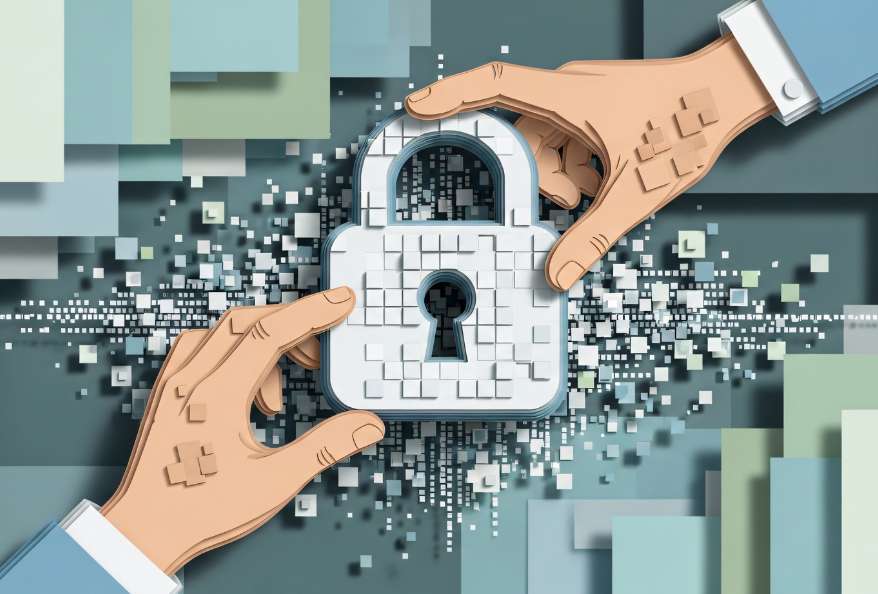
Estimated reading time: 5 minutes
Your business depends on technology every day, from managing client records to supporting remote teams. Yet, the same systems that make operations efficient also make you vulnerable to cyber threats. A single breach can disrupt workflows, damage your reputation, and cost thousands in lost revenue. Small businesses often assume they’re too minor to attract hackers, but cybercriminals see them as easy targets. Understanding where your risks lie and taking practical steps to defend your systems is the difference between smooth operations and costly interruptions. Protecting your technology starts with knowledge and a clear plan of action.
Understand your cyber risks
Every business faces cyber threats, no matter its size or sector. Data breaches, ransomware attacks, and phishing attempts can affect both your finances and your reputation. To manage these threats effectively, you need to identify the specific risks your business faces. Conduct a straightforward technology risk assessment, mapping out critical systems, sensitive data, and potential entry points for attackers. Knowing what matters most allows you to prioritize security measures where they’ll have the greatest impact. Regularly reviewing this assessment ensures that emerging threats don’t catch you off guard.
Build strong technical defenses
Technical controls form the backbone of your technology security. Firewalls, anti-malware software, multi-factor authentication, regular patching, and reliable backups reduce the chance of disruptions and data loss. Configuring networks securely ensures that only authorized users can access sensitive systems. Using managed firewall services allows you to maintain constant monitoring, respond to threats quickly, and keep firewall rules optimized without overloading your internal team. Combined with other Cyber Essentials controls, these measures protect your business against both common and sophisticated attacks, and they give you confidence that daily operations remain uninterrupted.
Train your people and set clear policies
People are often the weakest link in technology security. Even the most advanced systems can fail if employees fall for phishing emails or use weak passwords. Regular training helps staff recognize suspicious activity, follow secure practices, and understand acceptable use policies, including Bring Your Own Device (BYOD) rules. Clear guidance reduces mistakes that can create vulnerabilities and reinforces a culture where security is part of everyone’s role. Communicate policies consistently and refresh training regularly to keep staff alert to evolving threats.
Plan for response and compliance
Even with strong defenses, incidents can happen. Having a clear response plan ensures you act quickly and comply with UK legal obligations, including GDPR. Outline simple steps for detecting and containing breaches, logging incidents, and reporting to authorities when required. Regularly test and update your incident response plan to make sure it works under pressure. Keeping this framework in place protects customer data, limits financial damage, and demonstrates responsibility to regulators, clients, and partners.
Remote and Mobile Working (Secure)
Many businesses now have remote work and hybrid work, which also increases your attack surface. Workers who use systems through the home networks, in public Wi-Fi or a mobile phone have made it more prone to unauthorized access and data interception. To minimize this risk, make sure that remote connections are secured by means like virtual private networks (VPNs) and encrypted connections.
Establish specific guidelines about remote access, such as maximum security requirements of home routers, laptops, and smartphones. Work devices must have the latest operating systems, security software, and screen locks must be activated. Where feasible, use different work and personal usage to avoid unintentional leakage of data. You lock down the way and the place people work, and you defend your systems without loss of flexibility or productivity.
Control Access and Manage Identities
The integrity of technology protection is critical and usually neglected; however, controlling the accessibility of your systems is a key step. Not all systems are required by all employees. Use the least privilege principle that allows users to access only what they need to get their job done.
Periodically audit user accounts, particularly when roles change or employees quit the business. Administer an overhaul of all the accounts that are not used and track suspicious login behavior. The access control is easier with centralized identity management tools, especially as your business expands. High access control minimizes the chances of misuse of your technology internally and externally.
Controlling Third-Party and Cloud Security
Most companies become dependent on third-party providers and cloud-service providers to facilitate their daily business, which may lead to unseen risks. The first step is to determine which of your suppliers has access to your systems or sensitive data and how the data is stored and safeguarded. Many organizations choose to get managed IT services to continuously monitor vendor access, enforce security policies, and ensure compliance across all connected platforms. Select a trusted provider that can provide visible evidence of their security measures, including encryption, access control, and frequency of backups.
In the case of cloud platforms, default settings must not be used. Each access should be configured with serious considerations, multi-factor authentication should be deployed, and the users should have only the necessary permissions. There should be clear roles in contracts regarding the protection of data, reporting incidents, and compliance with regulations. Periodic inspection of suppliers and cloud setups can be used to maintain the security level and minimize the risk of facing unknown vulnerabilities.
Additionally, to stay updated with the latest developments in STEM research, visit ENTECH Online. Basically, this is our digital magazine for science, technology, engineering, and mathematics. Further, at ENTECH Online, you’ll find a wealth of information.
- Author
- Latest Posts

A driven and dedicated IT professional specializing in web development and research. Backed by a strong academic foundation and extensive hands-on experience at Coneixement INDIA, I consistently deliver innovative, high-quality digital solutions that enhance user experience and drive measurable business growth.
With a passion for continuous learning and advancing my technical expertise, I am eager to take on new challenges in dynamic, larger organizations where I can contribute to transformative projects, optimize digital strategies at scale, and help elevate the company’s online presence. My commitment to excellence, combined with a results-oriented approach, makes me a valuable asset ready to support business objectives and future-proof digital initiatives in competitive markets.