A fully human-made bone marrow system has been recently created by scientists...
Scientists Recreate the Complex Wonders of the Human Bone Marrow in the Lab
Estimated reading time: 4 minutes
A fully human made bone marrow system has been recently created by scientists. In this, a complex mix of cells, vessels, as well as nerves has been recreated that normally live deep within our bones. This advancement allows researchers to examine how blood develops. Additionally, they can study how this process breaks down in diseases such as cancer. This human made bone marrow system will also reduce reliance on animal testing. By constructing a lifelike “blood-producing” system in the laboratory, the researchers not only create the way for safer drug evaluation. They also, in the future, create the way for customized therapies made from a patient’s own cells.
Qing Li, Marina T. Nikolova, et. al carried out this research and published it under the title “Macro-scale, scaffold-assisted model of the human bone marrow endosteal niche using hiPSC-vascularized osteoblastic organoids” in December 2025.
ENTECH STEM Magazine has included this research in its list of the Top 10 Biotechnology Discoveries and Innovations of 2025.
Potential Benefits of Human-made Bone Marrow System
Improved understanding of blood development and diseases
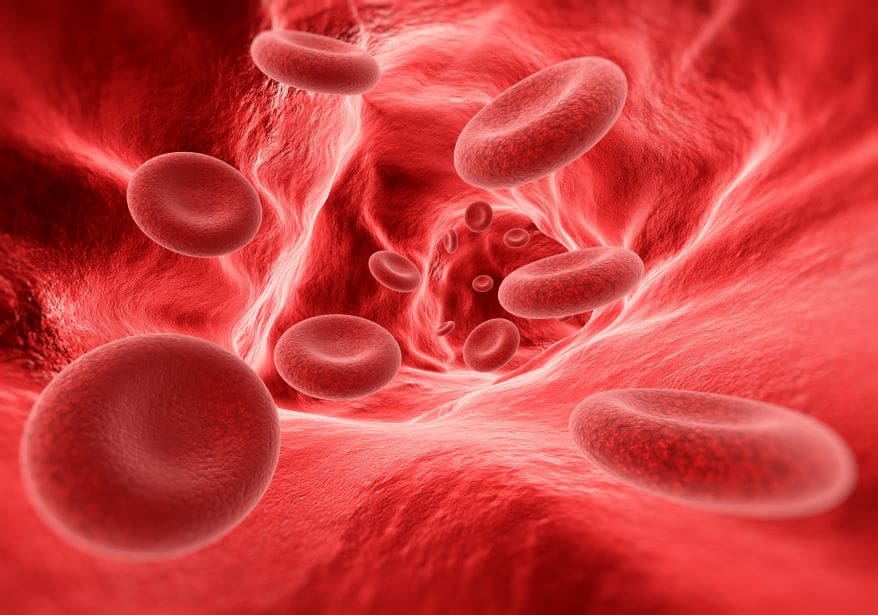
This human made bone marrow system allows researchers to closely study how blood cells are produced. Also, it shows how this process is disrupted in diseases like cancer. This could lead to earlier diagnosis. It could also lead to better treatment of blood-related disorders.
Reduced reliance on animal testing
By creating a human made bone marrow system, researchers can test both drugs and therapies without having to use animal models. This could, therefore, make drug development more efficient and ethical.
Potential for personalized therapies
In the future, this technology of human made bone marrow system could enable the creation of customized therapies using a patient’s own cells. This could, thus, lead to more effective and better-tolerated treatments for various conditions.
Acceleration of medical research
The ability to study human blood development in a controlled lab setting can speed up research. It can also speed up the translation of findings into clinical applications that benefit patients.
Better drug evaluation and safety
The human made bone marrow system provides a more realistic platform for testing new drugs and assessing their effects on blood cell production. This could potentially lead to safer and more effective medications.
Educational and Career Opportunities
Studying Blood Cell Development and Differentiation
Students could study the different stages of blood cell formation. They could examine the signaling pathways and determine how the human-made bone marrow system regulates these processes.
Modeling Blood-Related Diseases
Researchers could use the bone marrow system to model the progression of blood cancers, such as leukemia. In addition, they could use it to explore potential therapeutic interventions.
Testing New Drug Candidates
Students could participate in evaluating the effects of novel drug compounds on blood cell production and function within the controlled environment of the human-made bone marrow.
Exploring Tissue Engineering and Regenerative Medicine
Researchers could further optimize and refine the human made bone marrow system model. This would help create more robust and versatile platforms for tissue engineering and regenerative therapies.
Investigating The Role of The Microenvironment
It could be studied how the complex interplay between different cell types, extracellular matrix, and signaling factors within the bone marrow niche influence blood cell development and homeostasis.
Developing Advanced Imaging and Analytical Techniques
Researchers could further develop imaging techniques. They could also improve single-cell analysis methods. Other advanced technologies would help enhance the visualization and characterization of the lab-engineered human bone marrow system.
Potential for Personalized Medicine: Bone Marrow System Model
Students could explore methods for creating patient-specific bone marrow models. They could then study how these models can be used for personalized drug screening and the development of targeted therapies. These research opportunities in relation to the human made bone marrow system would give students hands-on experience in cutting-edge biomedical research. Students would contribute to the advancement of this technology. They would also develop valuable skills in cell biology, tissue engineering, and translational medicine.
Reference
Li, Q., Nikolova, M. T., Zhang, G., Cervenka, I., Valigi, F., Burri, D., … & García-García, A. (2025). Macro-scale, scaffold-assisted model of the human bone marrow endosteal niche using hiPSC-vascularized osteoblastic organoids. Cell Stem Cell, 32(12), 1941-1958. DOI: 10.1016/j.stem.2025.10.009
Additionally, to stay updated with the latest developments in STEM research, visit ENTECH Online. Basically, this is our digital magazine for science, technology, engineering, and mathematics. Also, at ENTECH Online, you’ll find a wealth of information.
- Author
- Latest Posts

I am a Master’s qualified in Science with focus on Zoology and Entomology and am a passionate, curiosity-driven science enthusiast aiming to transform complex scientific ideas in a manner that are easy to understand hence, educate, and inspire.
I have an experience of working on the projects in the field of Entomology which has provided me hands-on experience with various research techniques. Besides, I have also gained experience of lab work as well as developed communication skills during the course of my bachelors and masters.
With a strong foundation in life sciences and a growing interest in Medical and Biological research, I have cultivated a writing style that merges scientific facts with creativity.
My experience in teaching has also taught me to develop an understanding of what are the interests of people and how to communicate them effectively.
I am committed to lifelong learning, actively engaging in Interdisciplinary learning, so as to broaden my perspective.