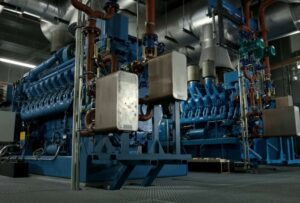
Introduction to aerospace engineering extends beyond aircraft. Its innovations shape many modern technologies.
Introduction to Aerospace Engineering: Basics and Insights
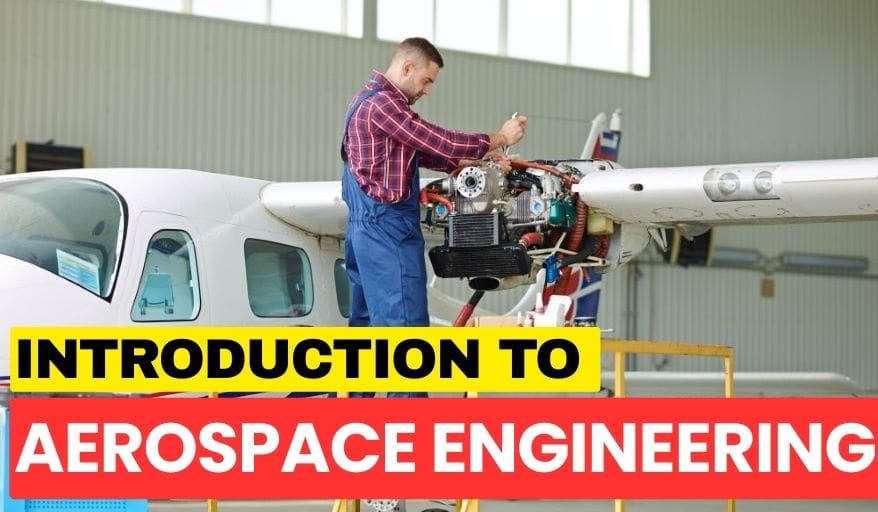
The Fascinating World of Aerospace Engineering
Definition and Scope
Introduction to aerospace engineering explores the flight of aircraft and spacecraft. Further, includes designing, constructing, and testing vehicles. Thus, field has two main branches: aeronautical and astronautical. Introduction to aerospace engineering focuses on planes and helicopters. Meanwhile, astronautical engineering deals with spacecraft and satellites. Consequently, professionals in this area work on improving efficiency, safety, and design. Thus, tackle challenges like fuel efficiency and noise reduction. This ambition drives innovation and progress.
Historical Background
Introduction to aerospace engineering has come a long way since the early 20th century, and the Wright brothers’ flight in 1903 marked a milestone. Thus, innovation sparked interest that led to rapid growth. Consequently, World War I accelerated advancements in aircraft design . Moreover, the Introduction of aerospace engineering improved speed, materials, and controls.
Hence, in World War II, bombers and fighter planes were crucial. Another leap came with the Space Age in the 1950s. Thus, the launch of Sputnik by the Soviet Union shocked the world. Modern introduction to aerospace engineering builds on these historical breakthroughs. John F. Kennedy once stated, “We choose to go to the moon in this decade… not because it is easy, but because it is hard.“
Influence on Modern Technology
Introduction to aerospace engineering extends beyond aircraft. Its innovations shape many modern technologies. For example, improvements in materials benefit the automotive and electronics industries. GPS systems, initially developed for space, are crucial today. Introduction to aerospace engineering also contributes to emergency systems and communication advances. Thus, aerospace engineering aids in societal advancements. Space exploration fuels technological growth on many levels. This field never stops pushing boundaries for new applications.
Also Read: An Introduction to Aerospace Engineering for Beginners
Key Takeaways
- Introduction to aerospace engineering creates, develops, and tests spacecraft and aircraft for use in space and the atmosphere.
- Aeronautical (aircraft within Earth’s atmosphere) and astronautical (spacecraft beyond it).
Core Disciplines
Introduction to aerospace engineering:-Aerodynamics Fundamentals
Aerodynamics is crucial for aircraft design. Engineers study air movement around objects. They focus on reducing drag and increasing lift. According to Albert Einstein, “The only source of knowledge is experience.” Therefore, aerodynamic testing often involves wind tunnels and simulations. These tools help understand airflow patterns.
Introduction to aerospace engineering:- Propulsion Systems
Propulsion systems power airplanes and spacecraft, including engines like jet engines and rockets and each engine type suits different needs. Thus, rockets are ideal for space travel. In contrast, jet engines are best for airplanes. Sir Isaac Newton once said, “For every action, there is an equal and opposite reaction.” Meanwhile, the principle underlies propulsion mechanics for which engines provide the thrust needed to move aircraft.
Also Read: Aerospace Engineering
Introduction to aerospace engineering:-Avionics and Control Systems
Avionics and control systems manage a spacecraft’s electronic functions for which systems include navigation, monitoring, and communications. They ensure a vehicle’s stability during flight. Pilots depend on these systems for safety; as a result,innovations continue improving these technologies. Thus, space and air travel become safer. Consequently, all these elements make avionics vital.
Introduction to aerospace engineering:-Materials and Structures
Materials and structures play a role in aerospace engineering. Meanwhile, engineers use materials like aluminum and composites. These materials make aircraft both strong and light. As Leonardo da Vinci remarked, “Simplicity is the ultimate sophistication.” Therefore, engineers aim for simple yet efficient designs. Structures must withstand extreme conditions, from high speed to atmospheric pressure. Thus, testing ensures safety and durability. Moreover, choices of materials directly affect performance.
Each discipline is essential in aerospace engineering. Further, contribute to the development of safer, more efficient aircraft. By understanding these core areas, engineers can innovate and improve.
Also Read: Discover the Scope of Aerospace Engineering Course
Introduction to aerospace engineering:- Innovations Shaping the Future
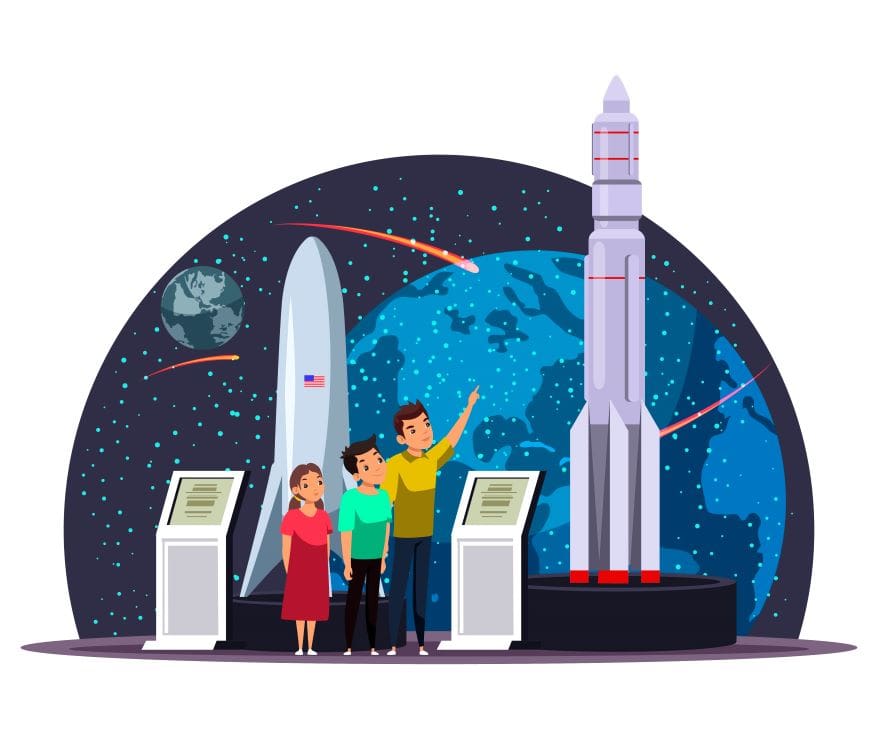
Reusable Rockets
Reusable rockets are transforming aerospace engineering . They lower costs by being used multiple times. Elon Musk, a leader in this field, once said, “When something is important enough, you do it even if the odds are not in your favor.” Space companies, like SpaceX, focus on making space travel more accessible. Meanwhile, innovation is changing how we think about space. Thus, reusable rockets, launches happen more frequently. They also produce less wast and ultimately space travel becomes more sustainable with each mission.
Electric Aircraft
Electric aircraft are another key development. Meanwhile, it helps reduce carbon emissions. Thus, technology offers a greener way to fly. Electric planes are usually quieter, which benefits communities near airports. These aircraft use advanced batteries and motors unlike traditional engines. However, current technology supports only short flights. Researchers are working hard to improve their range ,in which airbus and other firms invest heavily in this technology and the future of air travel is likely to be cleaner and quieter.
Also Read: The Top 14 Aerospace Engineering Subjects to Learn
Supersonic Travel
Supersonic travel is gaining attention once more. It promises much faster travel times. For instance, crossing the Atlantic could take just a few hours. Thus, this type of travel existed in the past, with the Concorde. Today, engineers aim to create more efficient and quieter supersonic planes. Further, they focus on reducing sonic booms over land. These advances point to a future where distant places become more reachable.
Introduction to aerospace engineering:- Key Challenges
Fuel Efficiency
Fuel efficiency poses a major challenge in introduction to aerospace engineering. Thus, airplanes consume vast amounts of fuel. Reducing fuel use lowers costs and emissions. Consequently, Engineers focus on more efficient engines. They use cutting-edge materials and designs. Lighter materials help decrease overall weight. Thus, boosts fuel efficiency. Introduction to aerospace engineering also plays a critical role. Efficient designs cut down wind resistance significantly. As Leonardo da Vinci once remarked, “Simplicity is the ultimate sophistication.” Engineers strive for simpler, yet effective solutions.
Environmental Impact
Environmental impact is a pressing concern today. Meanwhile, air travel leads to significant emissions. Thus, emissions affect our planet’s atmosphere. Consequently, engineers work on reducing the carbon footprint of flights. After all, electric and hybrid planes represent a major focus area. Ultimately, emit fewer pollutants. Renewable energy sources are another research area. Thus, solar power could potentially change the industry. Emphasizing eco-friendly practices is vital. It aligns with improving overall industry standards. As climate activist Greta Thunberg says, “No one is too small to make a difference.”
Safety Measures
Safety measures remain a top priority in introduction to aerospace engineering. Ensuring passenger safety is essential. Yet, engineers design planes with numerous safety features. Thus, use technology to monitor aircraft systems continuously. Indeed, regular maintenance checks enhance the aircraft’s reliability. Advanced sensors detect any unusual activity. These sensors act before problems arise. Pilot training is another significant factor. After all, well-prepared pilots reduce the chance of human error. Constant updates in safety protocols are necessary. Aviation pioneer Amelia Earhart noted, “The most effective way to do it is to do it.” She highlights the importance of proactive measures.
In conclusion, introduction to aerospace engineering tackles various challenges. Fuel efficiency, environmental impact, and safety measures lead the list. These areas drive innovation in the industry. Engineers prioritize sustainability while ensuring safety.
The Careers in Aerospace Engineering
Educational Pathways
A career in introduction to aerospace engineering begins with the right education. You typically start with a bachelor’s degree in aerospace or mechanical engineering. These programs cover fundamentals like aerodynamics and propulsion. Most schools also offer lab and design experiences. Some students aim for a master’s degree. This advanced study focuses on specific areas like space systems or aircraft design. Learning doesn’t stop there. Professionals often continue with certifications or on-the-job training. These qualifications help meet the industry’s evolving demands.
Career Opportunities
Introduction to aerospace engineering opens many career doors. Engineers work on designing, testing, and building spacecraft and aircraft. Some specialize in research and development for commercial or military applications. Others find roles in systems management and safety analysis. Roles in government agencies , like NASA, are also common. Private aerospace companies like SpaceX and Boeing hire thousands yearly. Teaching at universities is another pathway. Each role requires continuous learning to keep up with technology. Steve Jobs once said, “Innovation distinguishes between a leader and a follower.” This holds true in aerospace, where innovation is key.
Future Trends
The future of introduction to aerospace engineering seems promising. New trends are shaping the industry. Sustainable aviation fuels are a hot topic now. These fuels aim to reduce carbon emissions from flights. Electric and hybrid aircraft are also on the horizon. Space tourism companies are starting to offer trips beyond Earth.
AI and machine learning are becoming vital in aircraft design. These tools help optimize performance and safety. Collaborative international projects also attract attention. An aerospace engineer today can shape the future of travel. As Buzz Aldrin said, “There is no dream too big.” The possibilities in aerospace engineering seem endless.
Inspiring Thoughts from Visionaries
Quotes from Pioneers
Visionaries share ideas that shape the future. Leonardo da Vinci once said, “For once you have tasted flight, you will walk the earth with your eyes turned skyward, for there you have been, and there you will always long to return.” This highlights the pull of the skies. Another great mind, Orville Wright, noted, “The airplane stays up because it doesn’t have time to fall.” His words capture the essence of innovation.
Inspirational messages can guide and motivate us. Neil Armstrong believed in taking small steps that lead to big changes. This underscores the impact of bold actions. Carl Sagan offered hope with, “Somewhere, something incredible is waiting to be known.” His message sparks curiosity in the unknown.
Stories of pioneers teach through experience. Amelia Earhart‘s journey shows the value of perseverance. Despite difficulties, she said, “The most effective way to do it, is to do it.” Her adventurous spirit inspires countless engineers. Elon Musk, a modern leader in aerospace, faced many setbacks. He once shared, “When something is important enough, you do it even if the odds are not in your favor.” His story teaches courage and determination.
These quotes, messages, and stories fuel our imagination. They drive progress and innovation in aerospace. The words of pioneers and their experiences continue to inspire new generations. They remind us of the importance of dreaming big and overcoming challenges. This collective wisdom paves the way for future achievements in aerospace. With dedication, anything is possible, pushing boundaries sky-high.
FAQs
1. What is Aerospace Engineering?
Aerospace Engineering is the field of engineering focused on the development of aircraft and spacecraft. It involves designing, testing, and manufacturing vehicles that fly within Earth’s atmosphere and beyond. Introduction to aerospace engineers work on a variety of projects, from commercial airplanes to space exploration vehicles.
2.What Do Aerospace Engineers Do?
Aerospace engineers design, develop, and test aircraft and spacecraft. They work on improving flight safety, fuel efficiency, speed, and weight. They often collaborate with other engineers and scientists to solve complex problems.
3. What Skills Are Important for Aerospace Engineers?
Key skills for aerospace engineers include strong analytical and problem-solving abilities. They need to have a solid understanding of physics and mathematics, as these are crucial for designing and testing aircraft and spacecraft. Communication skills are also vital, as engineers must work in teams and convey complex ideas clearly.
Additionally, to stay updated with the latest developments in STEM research, visit ENTECH Online. Basically, this is our digital magazine for science, technology, engineering, and mathematics. Furthermore, at ENTECH Online, you’ll find a wealth of information.
References
- Ma, Z., Chen, X., Cui, B., & Wang, X. (2025). Advanced Fiber Optic Sensing Technology in Aerospace: Packaging, bonding, and calibration review. Aerospace, 12(9), 827. https://doi.org/10.3390/aerospace12090827
- Agarwal, R. K. (2024). Grand challenges in aerospace engineering. Frontiers in Aerospace Engineering, 3. https://doi.org/10.3389/fpace.2024.1383934
- Del Bosque, A., Vergara, D., & Fernández-Arias, P. (2025). An overview of smart composites for the aerospace sector. Applied Sciences, 15(6), 2986. https://doi.org/10.3390/app15062986
- Author
- Latest Posts

Charudatta Pathak was a student at St. Aloysius High School in Bhusawal, established in 1874, making it one of India’s oldest convent institutions. He earned his bachelor’s degree in mechanical engineering from SSVPS College of Engineering, Dhule in 1995, demonstrating exceptional academic achievement. Thereafter, he launched his career as a CNC programmer in a toolroom. He has utilized FANUC, Deckel, Maho, and Mikron controllers to operate 2-axis and 3-axis machines for the fabrication of jigs, fixtures, dies, and molds. He commenced his career as an academic in 1996, when he assumed the role of lecturer at SSVPS College of Engineering, Dhule. Additionally, he earned his post-graduate degree in CAD/CAM from L. D. College of Engineering, Ahmedabad, in 2000, and then acquired a Ph.D. from COEP in 2011 while concurrently engaged in teaching. Until 2023, he occupied many academic roles, including lecturer, assistant professor, professor, dean, principal, director, and vice chancellor at both public and private universities throughout India. From 2008 to 2010, he served as the project lead in the CAE department of a European multinational firm. During his 28-year professional tenure, he identified a need for dependable books targeted at students in grades 8 to 12, particularly for nascent career planning. He founded ENTECH Digital Magazine, a free monthly publication available on entechonline.com and magzter.com. Teens with a strong interest in Science, Technology, Engineering, and Mathematics (STEM) who aspire to pursue careers in these fields may find ENTECH Digital Magazine beneficial.