The cycle of addiction typically begins with experimentation, followed by regular use, and eventually leads to dependence.
The Neuroscience of Addiction: How the Brain Becomes Hijacked
Estimated reading time: 4 minutes
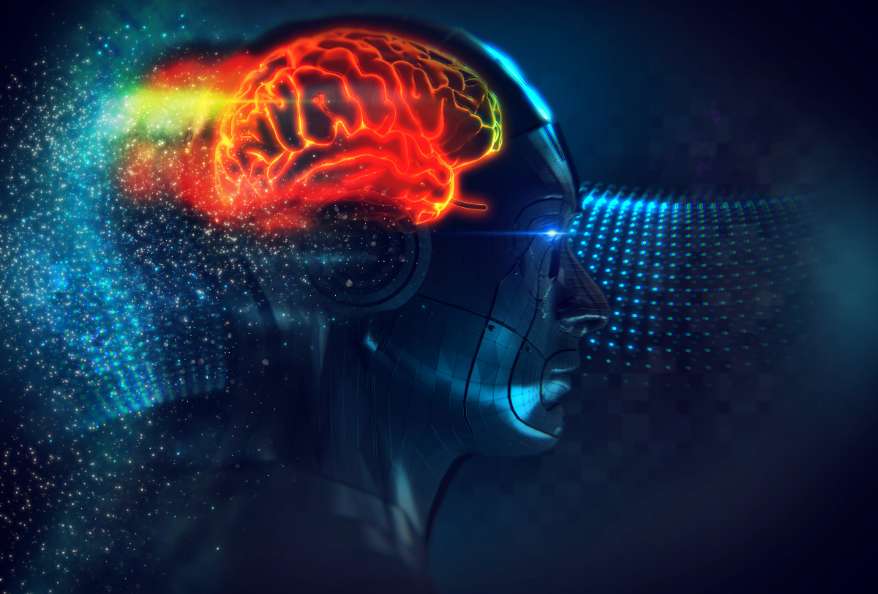
Addiction is a multifaceted condition that affects millions of individuals worldwide. At its core, addiction is a chronic brain disorder characterised by compulsive substance use, despite harmful consequences. One of the critical aspects of understanding addiction is recognising the physiological and psychological changes that occur in the brain. This article delves into the science behind addiction, exploring how substances alter brain function, the role of genetics and environment, and the challenges of recovery.
The Brain’s Reward System
To comprehend addiction, one must first understand the brain’s reward system. This system is designed to reinforce behaviours that are essential for survival, such as eating and social interaction, by releasing neurotransmitters like dopamine. When an individual engages in a pleasurable activity, dopamine is released, creating a feeling of euphoria. However, addictive substances, such as alcohol, opioids, and stimulants, hijack this system, leading to an exaggerated release of dopamine.
When someone consumes alcohol, for instance, the brain experiences a significant surge in dopamine levels, which reinforces the behaviour and encourages repetition. Over time, the brain adapts to these high levels of dopamine by reducing its natural production and decreasing the number of dopamine receptors. This adaptation leads to tolerance, where the individual requires more of the substance to achieve the same pleasurable effects, setting the stage for addiction.
The Role of Genetics and Environment
Addiction is not solely a result of environmental factors; genetics also play a crucial role. Research indicates that genetic predisposition can account for approximately 40% to 60% of an individual’s vulnerability to addiction. Specific genes are linked to the metabolism of substances, the brain’s reward pathways, and the development of co-occurring mental health disorders.
Moreover, environmental factors, such as exposure to trauma, stress, and socio-economic status, can significantly influence the likelihood of developing an addiction. For example, individuals who experience adverse childhood experiences (ACEs) are at a higher risk of developing substance use disorders later in life. The interplay between genetics and environment creates a complex web of risk factors that can lead to addiction.
The Cycle of Addiction
The cycle of addiction typically begins with experimentation, followed by regular use, and eventually leads to dependence. As the brain becomes conditioned to seek out the substance to avoid withdrawal symptoms, the individual may find themselves trapped in a cycle of compulsive behaviour.
When someone who is addicted to alcohol attempts to quit, they may experience alcohol withdrawal symptoms, which can range from mild anxiety and tremors to severe complications such as seizures and delirium tremens. According to the National Institute on Alcohol Abuse and Alcoholism, approximately 50% of individuals who undergo withdrawal will experience some form of symptoms, highlighting the challenges that accompany cessation.
Neuroplasticity and Recovery
Despite the challenges posed by addiction, the brain’s remarkable ability to adapt—known as neuroplasticity—offers hope for recovery. Neuroplasticity allows the brain to form new neural connections and pathways, which can be harnessed during rehabilitation. This means that, with the right interventions, individuals can rewire their brains to reduce cravings and improve decision-making.
Therapeutic approaches such as cognitive-behavioural therapy (CBT), motivational interviewing, and mindfulness-based interventions have shown promise in promoting neuroplasticity. These therapies encourage individuals to develop healthier coping mechanisms, challenge negative thought patterns, and engage in positive behaviours that reinforce recovery.
The Importance of Support Systems
While understanding the science behind addiction is essential, it is equally important to recognise the role of social support in recovery. Engaging with supportive family members, friends, and community groups can significantly enhance the chances of successful rehabilitation. A statistic from the Substance Abuse and Mental Health Services Administration (SAMHSA) indicates that individuals who participate in support groups are 60% more likely to maintain their sobriety compared to those who do not engage with a supportive community.
Support systems provide not only emotional encouragement but also practical strategies for navigating the challenges of recovery. They can help individuals address underlying issues that may contribute to their addiction, such as trauma or mental health disorders.
The science behind addiction reveals a complex interplay of biological, genetic, and environmental factors that contribute to the development and persistence of this condition. Understanding the mechanisms of the brain’s reward system, the impact of genetics, and the challenges of withdrawal are crucial for both individuals struggling with addiction and those supporting them. While the road to recovery may be fraught with obstacles, the brain’s capacity for change offers a beacon of hope. Through appropriate interventions, support, and a commitment to change, individuals can reclaim their lives and break free from the grip of addiction.
Additionally, to stay updated with the latest developments in STEM research, visit ENTECH Online. Basically, this is our digital magazine for science, technology, engineering, and mathematics. Further, at ENTECH Online, you’ll find a wealth of information.
- Author
- Latest Posts

A driven and dedicated IT professional specializing in web development and research. Backed by a strong academic foundation and extensive hands-on experience at Coneixement INDIA, I consistently deliver innovative, high-quality digital solutions that enhance user experience and drive measurable business growth.
With a passion for continuous learning and advancing my technical expertise, I am eager to take on new challenges in dynamic, larger organizations where I can contribute to transformative projects, optimize digital strategies at scale, and help elevate the company’s online presence. My commitment to excellence, combined with a results-oriented approach, makes me a valuable asset ready to support business objectives and future-proof digital initiatives in competitive markets.