Welcome to Sports Science introduction, the ultimate guide for students passionate about understanding the fascinating world of sports and the science behind it. Whether you’re an aspiring athlete, coach, or sports enthusiast, this article will…
Sports Science: An Introduction for Students

Estimated reading time: 4 minutes
Welcome to Sports Science introduction, the ultimate guide for students passionate about understanding the fascinating world of sports and the science behind it. Whether you’re an aspiring athlete, coach, or sports enthusiast, this article will provide you with a solid foundation in sports sciences.
From biomechanics to exercise physiology, this comprehensive introduction will explore various branches of sports sciences and how they contribute to athletes’ performance.
What is sports science
Sports science is an interdisciplinary field that combines various scientific disciplines to enhance athletic performance and promote overall well-being. It encompasses areas such as biomechanics, exercise physiology, nutrition, sports psychology, and injury prevention.
The importance of sports science in athletics
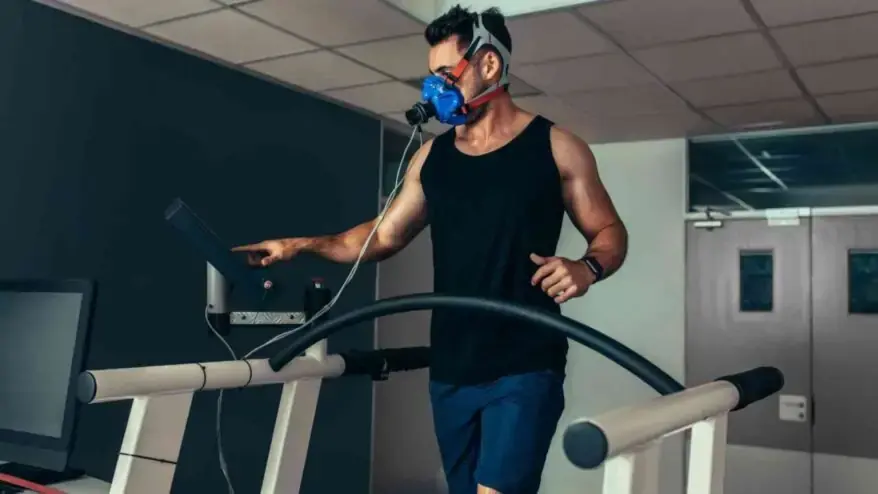
Sports science plays a crucial role in an athlete’s potential. By understanding the science behind different aspects of sports, athletes can make informed decisions about their training, nutrition, and recovery.
The History of Sports Science
The roots of sports science can be traced back to ancient Greece, where the first Olympic Games took place. However, its formalization as a discipline began in the 20th century. It was during this time that scientists started studying the physiological and biomechanical aspects of sports. Over the years, the field has evolved, incorporating advancements in technology, research methodologies, and knowledge from various scientific fields.
Key Concepts in Sports Science
To fully grasp the field of sports science, it’s essential to familiarize yourself with some key concepts. Biomechanics, for example, focuses on the mechanical principles of human movement. It analyzes how forces, motion, and structure interact during sports activities. Exercise physiology, on the other hand, examines how the body responds and adapts to physical activity. It delves into topics such as energy systems, cardiovascular function, and muscular strength.
The Role of Nutrition in Sports Performance

Nutrition is a fundamental component of sports science. Proper fueling and hydration are essential for optimal performance and recovery.
Athletes need to consume a well-balanced diet.
The diet that provides the necessary macronutrients (carbohydrates, proteins, and fats) and micronutrients (vitamins and minerals) to meet their energy demands.
The Impact of Exercise on the Body
Exercise is a powerful tool for improving physical fitness and athletic performance. Sports scientists study how different types of exercise, such as aerobic training or strength training, affect the body. They analyze physiological changes, such as increased muscle mass, improved cardiovascular function, and enhanced endurance.
Sports Psychology and its Influence on Performance
Sports psychology focuses on the mental aspects of sports performance. It explores how thoughts, emotions, and behaviors can impact an athlete’s performance and well-being.
Sports psychologists help athletes develop mental skills, such as goal-setting, visualization, and self-confidence.
They also assist athletes in managing stress, anxiety, and other psychological factors that may affect their performance under pressure.
Injury Prevention and Rehabilitation in Sports Science
Injuries are a common occurrence in sports, and sports scientists play a crucial role in preventing and rehabilitating them. They analyze movement patterns, identify risk factors, and develop injury prevention strategies. Sports scientists also work closely with medical professionals to design rehabilitation programs that facilitate a safe and efficient recovery from injuries.
Careers Opportunities
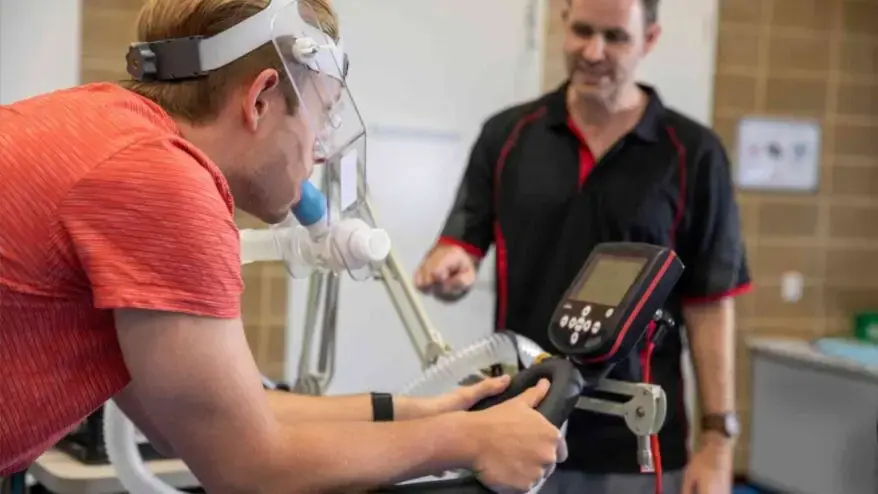
The field offers a wide range of career opportunities. Sports scientists can work with professional sports teams, athletic organizations, and fitness centers. They may also pursue careers in research, academia, or consulting.
Some common job titles in sports science include exercise physiologist, sports nutritionist, biomechanist, strength and conditioning coach, and sports psychologist.
With the growing emphasis on sports performance and wellness, the demand for qualified sports scientists is on the rise.
Conclusion: The Future and its Potential Impact on Athletes

As technology continues to advance and our understanding of the human body deepens, the future holds great promise. With the integration of wearable devices, data analytics, and personalized training programs, athletes will have access to even more precise for optimizing their performance.
In conclusion, this blog has provided you with a comprehensive introduction to this exciting field of sciences. By exploring various branches of this interdisciplinary field, we have shed light on the scientific principles that drive athletic excellence. So go ahead, dive into it and embark on an enlightening journey towards athletic greatness.
Additionally, to stay updated with the latest developments in STEM research, visit ENTECH Online. Basically, this is our digital magazine for science, technology, engineering, and mathematics. Further, at ENTECH Online, you’ll find a wealth of information.
- Author
- Latest Posts

Deven Nandapurkar is a Software Engineer, Project Lead; working at the strategic intersection of software engineering, productivity science, and emerging technologies. Driven by a core philosophy of “building things worth building,” he leads cross-functional teams and drives end-to-end technical strategy—from early-stage conceptualization through production-grade deployment.
A Computer Engineering graduate from Pune University, Deven brings a sharp systems-thinking approach to technical leadership, honed by years of managing high-stakes engineering projects and leading teams to top placements in national and international hackathons, including the NASA Space Apps Challenge and the Peerlist GenAI Hackathon.
Deven explores how human cognition and emerging technology converge. He regularly writes about cognitive performance optimization, attention management, AI integration, and the evolving dynamics of the modern workforce – offering actionable frameworks for professionals seeking to maximize their productivity and thrive alongside intelligent systems.




Really encouraging information.
Thanks for your comment!
Keep visiting entechonline.com to read the latest news and articles on Science, Technology, Engineering and Mathematics STEM. ENTECH Online is more than just a magazine; it’s a gateway to a world of possibilities for teenagers passionate about Science, Technology, Engineering, and Mathematics (STEM).
Best for me I am P.E students 💯💯👏
Thanks for your comment, keep visiting entechonline.com for more articles related to your interests.
Very nice.
Thanks for your comment, keep visiting entechonline.com for more articles related to your interests.
Sport is best thing for growth.
Thanks for your comment, keep visiting entechonline.com for more articles related to your interests.
For personality development of students study and sports both are important things.
Thanks for your comment, keep visiting entechonline.com for more articles related to your interests.