Top 10 Technology Innovations in 2025



Top 10 Technology Innovations in 2025
The year 2025 marks a major shift in how we use technology. New tools now solve old problems in smart ways. Scientists are merging artificial intelligence with quantum physics and green energy. These changes affect how we travel, work, and stay safe. To point out the biggest shifts, we look at ten key breakthroughs.
Quantum Federated Learning for 6G
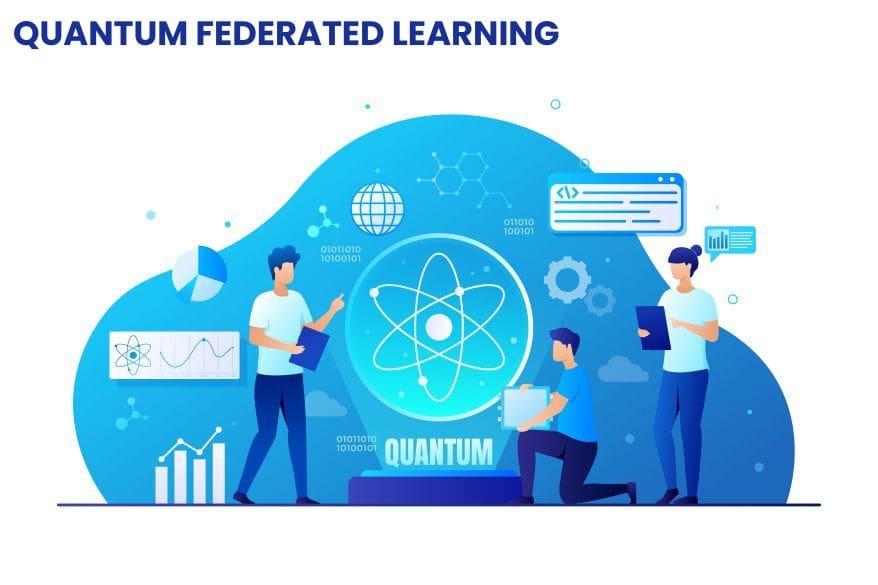
The world now looks toward 6G networks. These networks must be fast and very private. Quantum Federated Learning (QFL) provides a solution for this need. At the present time, devices train AI models locally without sharing raw data. To explain, your phone learns your habits but keeps your files private. At the same time, quantum circuits speed up these calculations. As a result, 6G handles huge tasks in real time. This tech makes edge intelligence much stronger than before. All in all, it keeps your data safe while making the web faster.
Urban Air Taxis
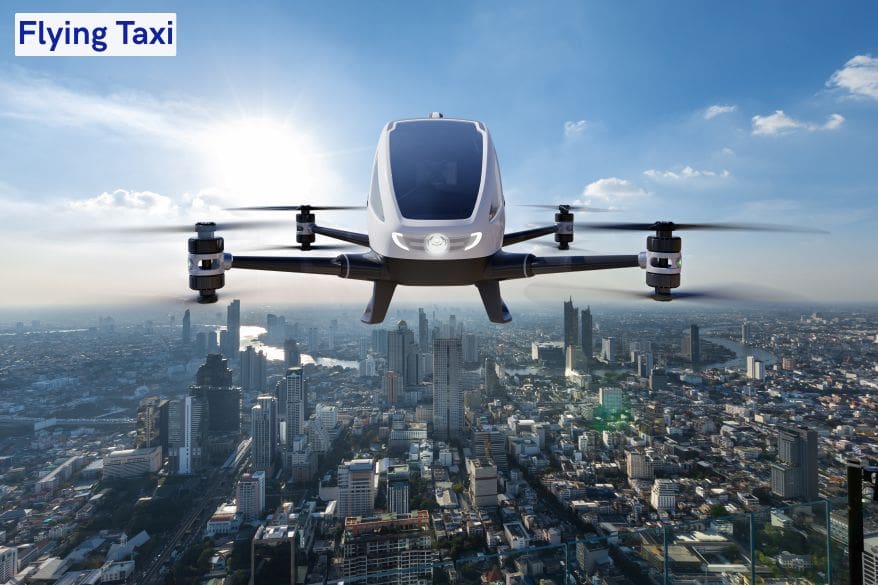
Traffic jams in big cities are a huge problem. To list a solution, air taxis have finally arrived. These eVTOL crafts take off like helicopters but fly like planes. Prior to this, city travel was stuck on the ground. Now, these electric crafts cut travel times by 55 percent. To illustrate, a long drive becomes a short five-minute flight. What’s more, they cut city emissions by 30 percent. Balanced against cars, they are much quieter and cleaner. Most cities plan to start full services very soon.
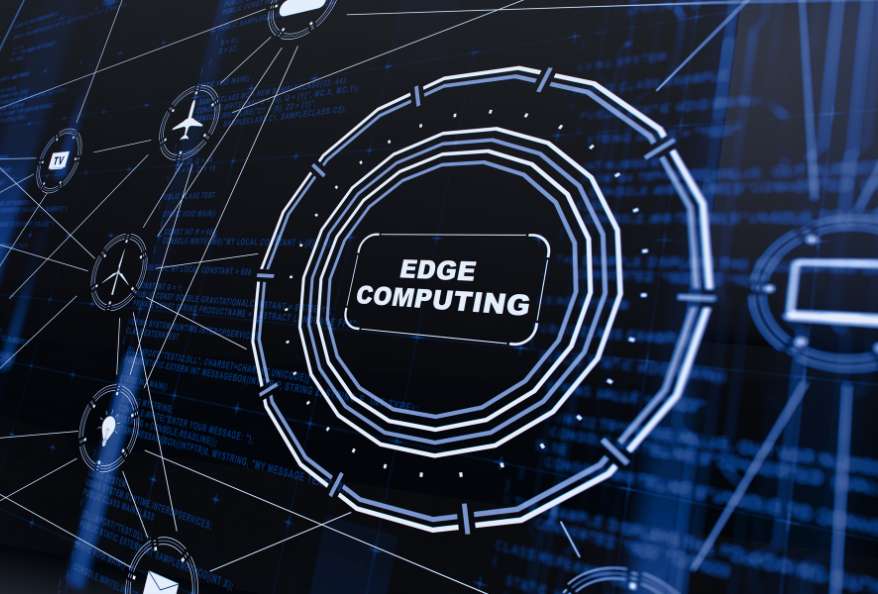
Mobile Edge Computing
Self-driving cars need to think fast. Mobile Edge Computing (MEC) helps them do this. While it may be true that clouds process data, they are often too slow. This innovation puts servers right next to the road. After that, cars get data in milliseconds. To put it another way, the car sees a hazard and reacts instantly. This tech also helps industrial robots and drones. In effect, it creates a world where every machine is smart. All things considered, MEC is the backbone of the new automated world.
Precise EV Range Prediction
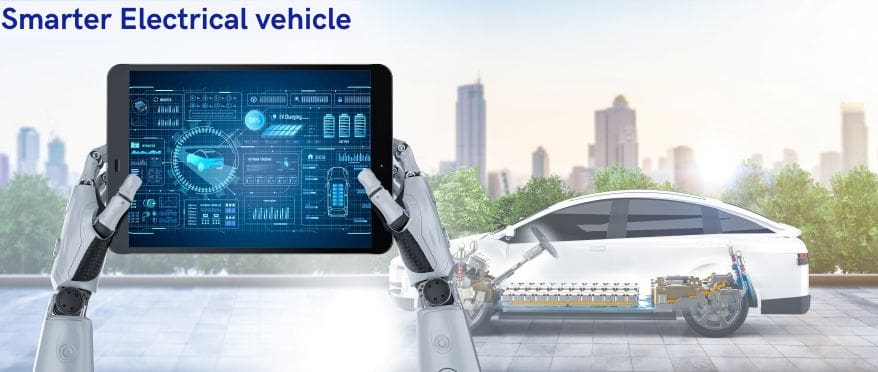
Many people worry about the battery life of electric vehicles. This is known as range anxiety. To sum up a fix, researchers built a new AI framework. It uses machine learning to predict exactly how far a car can go. It looks at the weather, the road, and your driving style. For the purpose of accuracy, it uses ensemble models. These models reach an R-squared value of 0.94. With this in mind, drivers can plan trips without any fear. To point out, the system even suggests the best speed to save power.
Safe-VAR Image Protection
AI can create amazing art, but it also brings risks. People can steal or change AI images easily. The Safe-VAR System acts as a new shield for digital art. It uses autoregressive models to hide watermarks inside the image. To rephrase it, the mark is invisible but very strong. Even if someone crops or blurs the photo, the mark stays. Seeing that it works during the creation process, it does not ruin the art. This helps artists keep their work safe from theft. Summing up, it is a vital tool for the digital age.
Quantum Error Correction
Quantum computers are powerful but very fragile. Tiny bits of heat or noise cause errors in their work. To address this, scientists developed better error correction codes. These codes spread information across many qubits. After all, this prevents the system from crashing. It allows the computer to fix itself without stopping. Prior to this, quantum tasks were often unreliable. Now, we are closer to fault-tolerant computing. This will help us find new medicines and better materials soon.
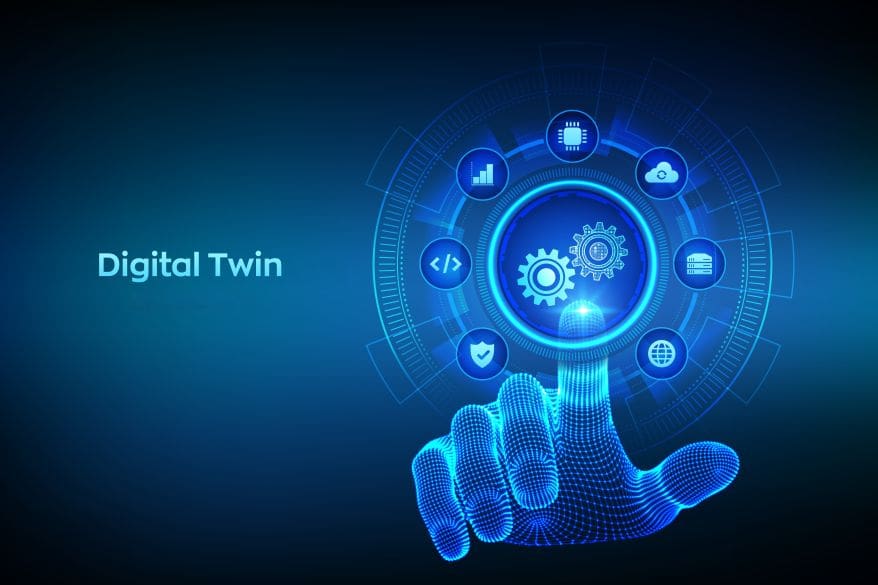
AI-Powered Digital Twins
Factories and cities now have digital twins. A digital twin is a perfect virtual copy of a physical thing. To illustrate, a factory owner can test a change online first. They use IoT sensors to feed real data into the twin. After that, AI predicts what will happen next. This helps save money and prevents accidents. In similar fashion, smart cities use twins to manage traffic. This tech makes buildings more sustainable and efficient. All of a sudden, complex systems become easy to manage.
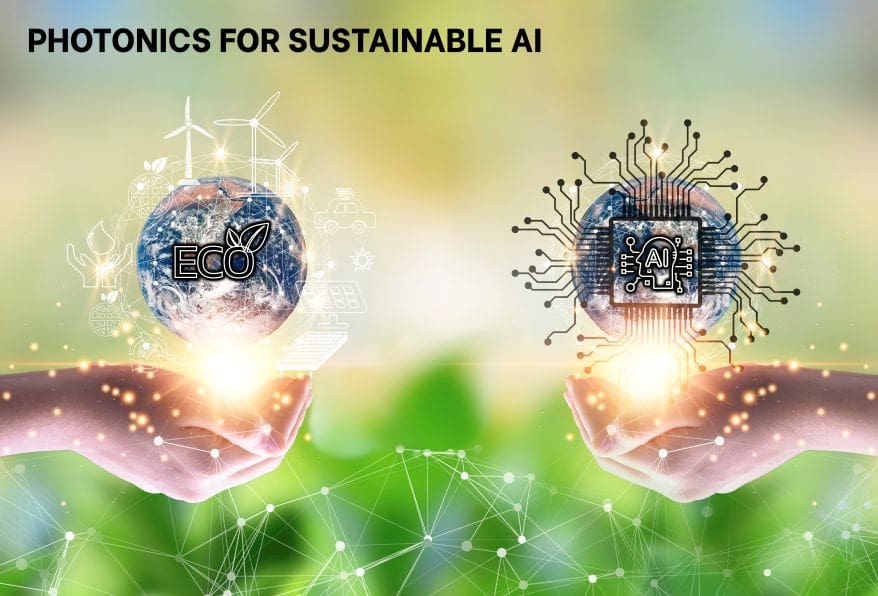
Photonics for Sustainable AI
AI models use a lot of electricity. This can hurt the environment over time. To solve this, experts are using photonics instead of standard chips. Photonics use light to process data. As a matter of fact, light moves faster and creates less heat. This makes AI much more sustainable. It reduces the carbon footprint of big data centers. To put it differently, we get better AI without hurting the planet. With this intention, companies are building new optical chips for the future.
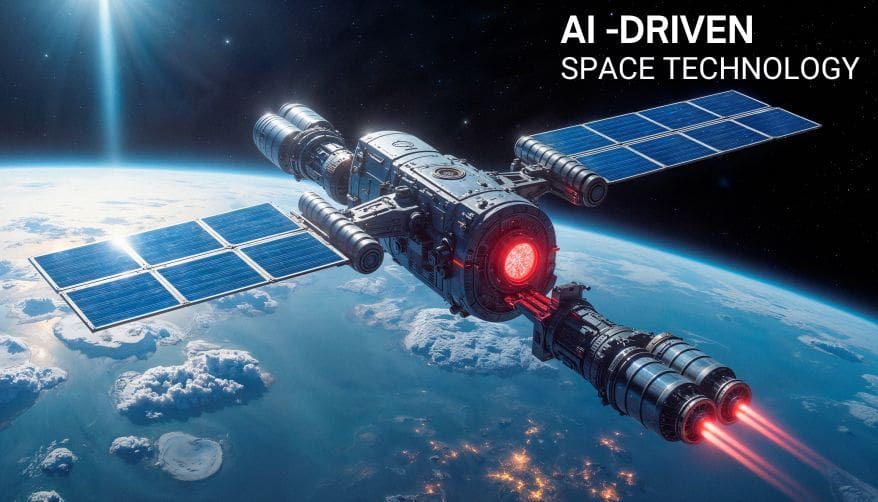
AI-Driven Space Nanomaterials
Going to space is hard on materials. High heat and radiation can destroy normal metals. Scientists now use AI to design nanomaterials for rockets. Take the case of graphene and carbon nanotubes. AI predicts how these materials will act in space. As a result, we can build lighter and stronger spaceships. These materials also help electronics on Earth stay cool. To the end that space travel grows, these materials become essential. All things considered, AI is the new architect for space exploration.
Global Earthquake Alerts
Earthquakes happen without much warning. Now, your phone can save your life. Android Earthquake Alerts turn billions of phones into tiny sensors. When the ground shakes, your phone sends a signal to a server. Then, the system warns everyone nearby. In fact, people get a few seconds to hide or run. This service is now live in nearly 100 countries. It is a great example of using existing tech for the common good. To conclude, this innovation makes the whole world a safer place.
Top 10 Technology Innovations in 2025: Conclusion
These ten innovations show that the future is bright. From the depths of quantum physics to the heights of air taxis, technology is evolving. We are finding ways to be faster, safer, and greener. While this may be true, we must keep learning. Students and experts should watch these trends closely. Each breakthrough opens new doors for careers and growth. In short, 2025 is the start of a new technological era.