AI-powered digital twins help industries manage complex Industrial IoT systems by creating intelligent virtual replicas. These models improve prediction, monitoring, and performance optimization using real-time data.
Advanced AI-Powered Digital Twins Reshaping Industrial IoT Systems
Estimated reading time: 3 minutes
Industrial IoT systems now connect machines, sensors, and networks at unprecedented scale. These systems generate continuous data streams that support monitoring and control activities. However, managing this complexity remains challenging for many industries. Traditional tools often fail to predict failures or optimize performance accurately. Because of this limitation, AI-powered digital twins are gaining strong attention.
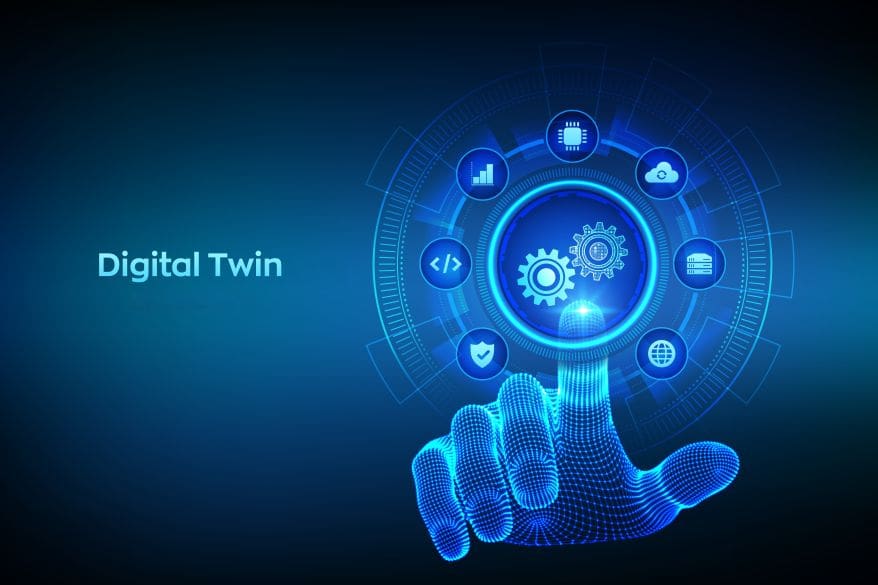
AI-powered Digital twins create virtual replicas of physical systems using real-time sensor data. Artificial intelligence enhances these replicas by enabling prediction, learning, and adaptive decision-making. As a result, industries gain better visibility into system behaviour and future performance trends.
Željko Bolbotinović, Saša D. Milić, Žarko Janda, and Dragan Vukmirović conducted the study and published it under the title “Ai-powered digital twin in the industrial IoT” in June 2025.
ENTECH STEM Magazine has included this research in its list of Top 10 Technology Innovations of 2025.
Core Principles Behind AI-Driven Digital Twins
AI-powered digital twins combine physical systems with data-driven virtual models. These models continuously update using sensor inputs from connected machines. Machine learning algorithms analyze patterns and predict future system states. Therefore, operators can detect anomalies before failures occur.
Time-series forecasting models play a key role in this process. Recurrent neural networks and similar models handle complex industrial data effectively. Consequently, digital twins support predictive maintenance and performance optimization. This approach reduces downtime and improves asset lifespan across industrial environments.
Practical Benefits in Daily Industrial Operations
Digital twins influence many routine industrial activities today. In manufacturing plants, they monitor machine health continuously. Maintenance teams receive early warnings before equipment failures occur. As a result, production interruptions decrease significantly.
In energy systems, digital twins model turbines and grid components accurately. Operators balance energy loads and prevent system overloads more effectively. Logistics operations also benefit from simulation-based planning and route optimization. Because of these advantages, companies achieve higher efficiency and lower operational costs.
Environmental benefits also emerge from this technology. Digital twins reduce unnecessary machine operation and energy waste. Therefore, industries move closer to sustainability targets without sacrificing productivity.
Commercial Adoption and Deployment Timeline
Many industries already test digital twins through pilot projects. However, full-scale deployment still faces technical and financial barriers. Legacy systems often lack compatibility with modern data platforms. In addition, reliable AI models require clean and consistent data.
Despite these challenges, adoption continues to grow steadily. Cloud platforms and edge computing reduce implementation complexity. Standardized digital twin frameworks also improve system integration. Within the next decade, digital twins may become standard across major industrial sectors.
Career Paths and Research Opportunities for Students
AI-powered digital twins open diverse academic and professional opportunities. Students can pursue careers in machine learning for IoT systems. This field focuses on predictive analytics and anomaly detection. Another growing area involves digital twin system design and integration.
Research opportunities also exist in edge computing and real-time analytics. These skills support low-latency decision-making in industrial environments. Students may also explore human-machine interaction for better operational control. Together, these fields prepare learners for future industrial innovation.
Shaping Smarter and Resilient Industrial Systems
AI-powered digital twins transform how industries monitor and manage complex systems. They combine real-time data with predictive intelligence for better decision-making. As technology matures, adoption will expand across multiple sectors. Ultimately, digital twins help industries achieve resilience, efficiency, and sustainability together.
Additionally, to stay updated with the latest developments in STEM research, visit ENTECH Online. Basically, this is our digital magazine for science, technology, engineering, and mathematics. Also, at ENTECH Online, you’ll find a wealth of information.
Reference
Bolbotinović, Ž., Milić, S. D., Janda, Ž., & Vukmirović, D. (2025). Ai-powered digital twin in the industrial IoT. International Journal of Electrical Power & Energy Systems, 167, 110656. https://doi.org/10.1016/j.ijepes.2025.110656
- Author
- Latest Posts

Ashwini Kshirsagar holds a graduate degree in Chemistry and a postgraduate degree in Environmental Science from Shivaji University, Kolhapur. With a strong foundation in scientific principles and a creative flair, she blends her expertise in environmental science with skills in technical writing, graphic design, and video editing. Proficient in Adobe software, Ashwini excels at transforming complex scientific concepts into clear, engaging, and visually compelling content. Her unique ability to merge science and storytelling allows her to create impactful communication materials that are both informative and accessible to a wide audience.