Author: Lakshmi Prasad Bhatta
(Laxmi) Prasad Bhatta
Role: CAE Manager | Vehicle Safety Specialist | Automobile Engineer
Organization: Mahindra
Experience: 21+ Years Global Experience in Vehicle Safety & Crash Simulations
Key Previous Role: Stellantis (Vehicle Safety Leadership)
Core Expertise: CAE, Multi-Physics Crash Safety, Virtual Validation, AI & ML for Active Safety
Safety Systems: Crash Protection, Crash Avoidance, ADAS, Autonomous Driving Systems (ADS)
Vehicle Types: ICE, BEV, PHEV — High-Voltage Electrical Safety & Fuel System Protection
Industry Recognition: IIHS Top Safety Pick+ | NCAP 5-Star Ratings
Subject Expertise: Vehicle Crash Safety, Computer-Aided Engineering (CAE), Multi-Physics Simulations, Crash Energy Management, Battery Electric Vehicle Safety, ADAS & Autonomous Driving, AI/ML for Virtual Validation, Global Regulatory Compliance, and Zero-Emission Mobility.
Short Bio
(Laxmi) Prasad Bhatta is an accomplished Automobile Engineer, Vehicle Safety Specialist, and CAE Manager at Mahindra with over 21 years of global experience designing and developing advanced vehicle safety systems. Specialized in Computer-Aided Engineering (CAE), multi-physics crash safety simulations, and regulatory compliance, Prasad has played a critical role in advancing both crash protection and crash avoidance technologies. Throughout his distinguished career, including key roles at leading automakers like Stellantis, he has spearheaded innovations in crash energy management for Internal Combustion Engine (ICE) vehicles as well as Battery Electric Vehicles (BEV/PHEV). His work on high-voltage electrical safety and fuel system protection during impact has directly contributed to vehicles earning prestigious top safety honors, including IIHS Top Safety Pick+ and NCAP 5-star ratings. Currently, he leads virtual validation efforts by integrating Artificial Intelligence (AI) and Machine Learning (ML) into active safety frameworks, such as Advanced Driver Assistance Systems (ADAS) and Autonomous Driving Systems (ADS). An active collaborator with global regulatory bodies, Prasad works on international initiatives for crash avoidance and zero-emission electric mobility.Extended Bio
(Laxmi) Prasad Bhatta has spent over two decades making vehicles safer — not by adding more metal, but by understanding exactly how energy flows through a vehicle during a crash and designing structures that manage that energy to protect occupants. His work sits at the intersection of mechanical engineering, computer simulation, and the emerging frontier of AI-driven safety systems.He began his career in an era when crash safety was largely reactive: design a vehicle, crash it physically, measure the results, and iterate. Over 21 years, he has helped transform that process into something far more sophisticated. Today, through Computer-Aided Engineering (CAE) and multi-physics crash safety simulations, he can predict how a vehicle will behave in a crash before a single physical prototype is built. This virtual validation saves time, money, and ultimately lives by enabling more iterations and deeper optimization.His career includes key leadership roles at Stellantis — one of the world's largest automakers — and he now serves as CAE Manager at Mahindra, where he leads virtual validation efforts. His expertise spans the full spectrum of vehicle safety: crash protection (passive safety) and crash avoidance (active safety). He has worked on Internal Combustion Engine (ICE) vehicles and, increasingly, on Battery Electric Vehicles (BEV) and Plug-in Hybrid Electric Vehicles (PHEV). Electric vehicles present unique safety challenges: high-voltage electrical systems must remain safe during impact, and battery packs must be protected from intrusion. Prasad's work on high-voltage electrical safety and fuel system protection during crashes has directly contributed to vehicles earning IIHS Top Safety Pick+ and NCAP 5-star ratings — the highest honors in automotive safety.His current focus is on the next frontier: integrating Artificial Intelligence and Machine Learning into safety frameworks. He leads virtual validation efforts for Advanced Driver Assistance Systems (ADAS) and Autonomous Driving Systems (ADS). These systems don't just protect occupants during a crash — they prevent crashes from happening in the first place. By applying AI and ML to active safety, he is helping to build vehicles that can perceive their environment, predict hazards, and take action faster than any human driver.Beyond his work at Mahindra, Prasad is an active collaborator with global regulatory bodies. He works on international initiatives for crash avoidance and zero-emission electric mobility, helping to shape the standards that will define the next generation of vehicle safety worldwide.He writes for the automotive engineer working in vehicle safety and crash simulations, the CAE specialist looking to integrate AI into virtual validation workflows, the product developer working on BEV and PHEV safety systems, the regulatory affairs professional navigating global safety standards, and anyone interested in how technology is making vehicles safer for everyone on the road.Primary Beats
- Vehicle Crash Safety & Crash Energy Management: Designing structures and systems that protect occupants during crashes; managing energy flow through vehicle architecture for both ICE and BEV/PHEV platforms; passive safety systems including airbags, seatbelts, and structural design.
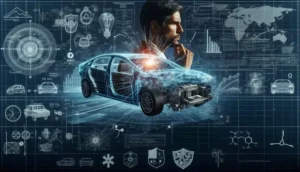
- Computer-Aided Engineering (CAE) & Multi-Physics Simulations: Using virtual validation to simulate crash scenarios before physical prototyping; multi-physics approaches that combine structural, thermal, and electrical simulation; advancing the fidelity and predictive power of crash simulations.
- AI & ML for Active Safety (ADAS & Autonomous Driving): Integrating artificial intelligence into virtual validation frameworks; developing and testing active safety systems that prevent crashes; the role of machine learning in perception, prediction, and decision-making for autonomous vehicles.
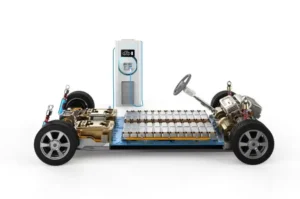
- Battery Electric Vehicle (BEV) Safety & High-Voltage Protection: Ensuring electrical safety during and after crashes; protecting battery packs from intrusion and thermal runaway; designing for the unique safety challenges of zero-emission vehicles.