Fundamentals of Drug Metabolism and Human Health
Fundamentals of Drug metabolism changes drugs in the body. It makes them easier to remove. Above all, this process keeps drug levels safe.

Fundamentals of Drug Metabolism and Human Health

Basics of Food and Drug Toxicology: Understanding Sources, Effects, and Prevention
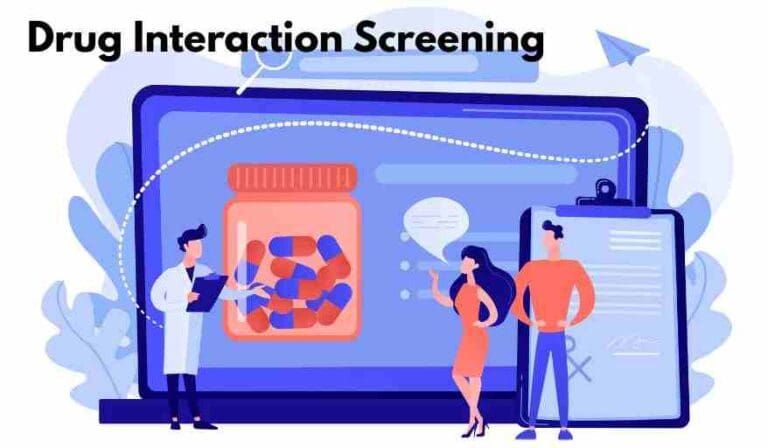
Drug Interaction Screening Explained for 2026

Pediatric Drug Dosage: A Complete Guide for Safe Medication

New Heart Attack Drug Inspired by Spider Venom Aims to Reverse Tissue Damage
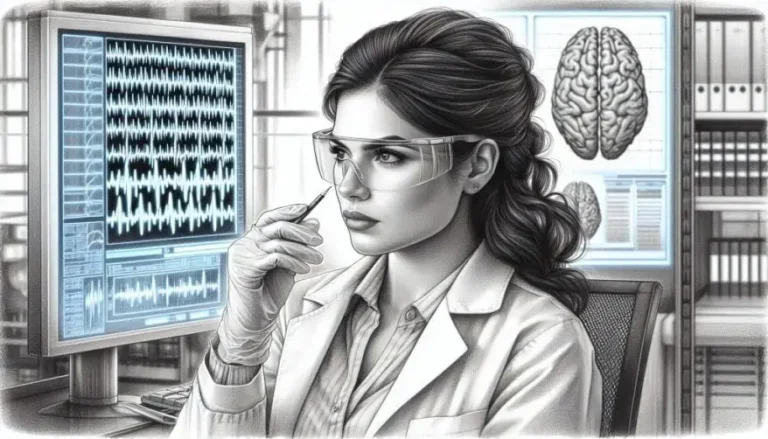
Link Between Anesthesia and Neural Stability

Quality in Drug Manufacturing: A Scientific Perspective

New Anticoagulant Therapy Breakthrough: Fast-Acting and Safe

GLP-1 Drugs: How They Work, Uses, Benefits, Side Effects, and Risks
Welcome to Drug Science and Pharmacokinetics, a clear and student-friendly category for understanding how medicines work inside the body. Above all, this section explains drug action, drug movement, dose-response, safety, and treatment use in simple language. At the same time, it supports pharmacy students, healthcare learners, and curious readers who want strong basics without confusing terms.
Drug metabolism explains how the body changes medicines after they enter the system. In general, the liver plays an important role in this process. However, other organs may also take part. This cluster covers the basics of drug metabolism, enzyme activity, first-pass metabolism, and factors that may affect how long a drug stays active. To put it differently, it helps readers understand why the same medicine may act differently in different people.
Pharmacokinetic parameters help explain what the body does to a drug. For example, absorption, distribution, metabolism, and excretion are key ideas in this area. This cluster explains bioavailability, half-life, clearance, volume of distribution, and steady state. With this in mind, readers can better understand how dose timing and drug levels are connected.
Pharmacokinetic models make drug behavior easier to study. At first, models may sound difficult. However, simple explanations can make them useful and practical. This cluster covers one-compartment models, two-compartment models, drug concentration curves, and basic calculations. As a result, learners can connect theory with real pharmacy practice.
Pharmacotherapeutics focuses on the safe and effective use of medicines for disease treatment. That is to say, it connects drug science with patient care. This cluster explains how medicines are selected, how treatment goals are set, and how benefits are balanced against risks. In short, it helps readers understand why the right drug, dose, and patient matter.
Dosage calculations are essential in pharmacy. As a matter of fact, small errors can affect patient safety. This cluster covers dose conversion, body weight-based dosing, concentration, dilution, infusion rate, and common calculation steps. To this end, the articles support better accuracy and confidence in pharmacy learning.
Children are not simply small adults. In this case, age, weight, organ development, and dosage form can affect treatment decisions. This cluster explains pediatric drug dosage, weight-based calculations, safe dose ranges, and common precautions. All things considered, this topic is important for safer medicine use in children.
Experimental pharmacology helps explain how drug effects are tested and studied. To illustrate, researchers may study dose-response, drug activity, and safety signals before wider use. This cluster covers basic methods, models, and learning concepts. In effect, it builds a bridge between laboratory science and clinical use.
Food and drug toxicology focuses on safety. Another key point is that harmful effects may depend on dose, exposure, and patient factors. This cluster explains toxic effects, adverse reactions, safety testing, and risk assessment. In conclusion, Drug Science and Pharmacokinetics gives readers a strong foundation for understanding medicines, safe dosing, and better therapeutic decisions.