Obesity Treatment; Discover how GLP-1 receptor agonist drugs are revolutionizing the fight against obesity.
GLP-1 Drugs: How They Work, Uses, Benefits, Side Effects, and Risks
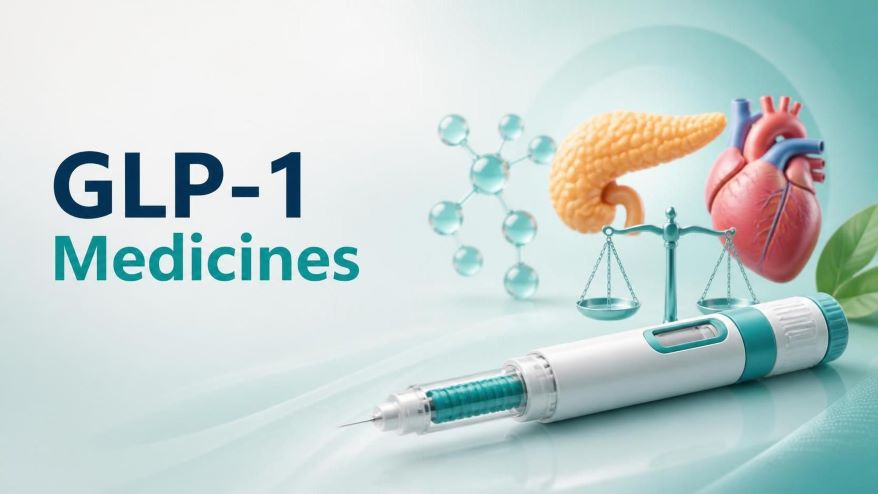
GLP-1 drugs have become an important part of modern diabetes and obesity treatment. These prescription medicines are based on the action of glucagon-like peptide-1 (GLP-1), a hormone involved in blood-glucose control, appetite, and digestion.
However, GLP-1 drugs are not simply weight-loss injections. They were first developed as treatments for type 2 diabetes. Today, some medicines in this broader treatment group are also approved for chronic weight management.
In addition, clinical trials have shown that certain GLP-1 medicines can provide cardiovascular or kidney benefits in specific groups of patients. At the same time, these medicines can cause side effects and serious complications. Therefore, they should be used with appropriate medical supervision. This guide explains what GLP-1 drugs are, how they work, their uses, potential benefits, common side effects, serious risks, and situations in which they may not be appropriate.
Key Takeaways
- GLP-1 drugs mimic or activate the effects of the natural GLP-1 hormone.
- They can improve blood-glucose control in people with type 2 diabetes.
- Some GLP-1 medicines are approved for chronic weight management in people who meet specific criteria.
- These medicines can reduce appetite and slow stomach emptying.
- Certain GLP-1 medicines have demonstrated cardiovascular benefits in specific patient groups.
- Semaglutide has also demonstrated important kidney-related benefits in people with type 2 diabetes and chronic kidney disease.
- Nausea, vomiting, diarrhea, constipation, and abdominal discomfort are common side effects.
- Serious risks can include pancreatitis, gallbladder disease, dehydration-related kidney injury, and severe gastrointestinal problems.
- Some products should not be used by people with a personal or family history of medullary thyroid carcinoma or with Multiple Endocrine Neoplasia syndrome type 2.
- GLP-1 drugs should be prescribed and monitored according to the specific product’s labeling and the patient’s health needs.
What Are GLP-1 Drugs?
GLP-1 drugs are medicines that activate the GLP-1 receptor. GLP-1 is an incretin hormone. The body releases incretin hormones after eating. These hormones help the body respond to food and regulate blood glucose. GLP-1 receptor agonists are designed to produce some of the effects of natural GLP-1 for longer than the body’s own hormone lasts.
Examples of GLP-1 receptor agonists include:
- Semaglutide
- Liraglutide
- Dulaglutide
- Exenatide
The exact indications differ by product.
For example, semaglutide is available in different formulations with different approved uses. Therefore, the brand name, formulation, dose, and indication should always be checked before discussing a medicine’s purpose. It is also important to distinguish GLP-1 receptor agonists from dual GIP/GLP-1 receptor agonists. Tirzepatide, for example, activates both GIP and GLP-1 receptors. It belongs to a related but distinct drug category.
How Do GLP-1 Drugs Work?
GLP-1 drugs affect several processes involved in blood-glucose regulation and appetite.
They increase insulin release when blood glucose is elevated
First, GLP-1 medicines increase insulin release when blood-glucose levels are elevated. Specifically, GLP-1 signaling helps pancreatic beta cells release insulin in response to higher blood-glucose levels. As a result, these medicines can improve blood-glucose control. Moreover, because this action is glucose-dependent, insulin is released mainly when it is needed, which helps support safer blood-sugar management.
They reduce glucagon secretion
Second, GLP-1 medicines reduce the secretion of glucagon, another hormone that helps regulate blood-glucose levels. In particular, when blood-glucose levels are elevated, GLP-1 signaling can decrease glucagon release. Consequently, the liver may produce and release less glucose into the bloodstream. Therefore, this action contributes to improved blood-glucose control and supports the overall effectiveness of GLP-1 medicines.
They slow gastric emptying
Third, many GLP-1 medicines slow gastric emptying, which is the movement of food from the stomach into the small intestine. As a result, glucose enters the bloodstream more gradually after a meal, helping to reduce sudden increases in blood-glucose levels. Additionally, slower digestion can promote a feeling of fullness, which may help reduce food intake and support weight management.
They affect appetite
Fourth, GLP-1 receptors occur in areas of the brain that control appetite and food intake. Therefore, GLP-1 medicines can reduce hunger and increase feelings of fullness in many people. In addition, these effects may encourage people to eat less and support healthier portion control. Consequently, GLP-1 medicines can contribute to weight management.
GLP-1 Drugs for Type 2 Diabetes
GLP-1 receptor agonists provide an established treatment option for people with type 2 diabetes. These medicines help lower blood-glucose levels and improve glycated hemoglobin, commonly known as A1C. In addition, they support better long-term blood-glucose management by improving the body’s response to insulin and reducing excess glucose production. Consequently, healthcare professionals may prescribe GLP-1 drugs as part of an overall diabetes treatment plan.

However, they are not appropriate for every person with diabetes. The choice of treatment depends on factors such as:
- A1C and glucose levels
- Cardiovascular disease
- Kidney disease
- Body weight
- Risk of hypoglycemia
- Other medicines
- Cost and access
- Treatment preferences
- Other medical conditions
Current diabetes guidance also considers cardiovascular and kidney risk when selecting glucose-lowering medicines.
For a broader overview of diabetes treatment options, see:
Diabetes Medications: Current Treatments and the Future of Diabetes Care
GLP-1 Drugs for Weight Management
Some GLP-1 medicines also support long-term weight management for people who meet specific medical criteria. For instance, Wegovy contains semaglutide and has FDA approval for chronic weight management in certain adults and children with obesity. It also applies to some adults with higher weight who have a weight-related health condition. Patients should use Wegovy along with a reduced-calorie diet and increased physical activity.
Similarly, liraglutide offers another GLP-1 treatment option for weight management under its approved indication. However, people should not assume that a diabetes medicine has approval for weight management under the same brand name or dosage. Each medication requires separate approval for its specific use, dose, and patient population. Therefore, patients should use the exact product their healthcare professional prescribes for the approved purpose.
Research shows that some GLP-1 medicines can lead to significant weight loss. In the STEP 1 trial, adults with higher weight or obesity lost a substantial amount of weight after taking semaglutide 2.4 mg once a week and making lifestyle changes, such as eating a healthier diet and exercising more. However, weight management often requires long-term care. After people stop treatment, their appetite and weight may increase again. For this reason, patients should discuss continuing or stopping the medicine with a healthcare professional.
Benefits Beyond Blood Sugar and Weight
The benefits of GLP-1 drugs depend on the specific medicine and the patient population being treated.
Cardiovascular benefits
Some GLP-1 medicines may also help protect heart health. For example, the SELECT trial studied semaglutide in more than 17,000 adults with heart disease and higher weight or obesity who did not have diabetes. During the trial, 6.5% of participants who took semaglutide experienced a major heart-related event, compared with 8.0% of those who received a placebo. Following these findings, the FDA approved Wegovy to lower the risk of heart-related death, heart attack, and stroke in certain patients. However, not every GLP-1 medicine prevents heart attacks or strokes. Patients should discuss the possible heart benefits of a specific medicine with their healthcare professional.
Kidney-related benefits
Kidney health is another important area of GLP-1 research. The FLOW trial studied semaglutide in people with type 2 diabetes and chronic kidney disease. The results showed that semaglutide lowered the risk of serious kidney problems compared with a placebo. However, this finding does not mean that all GLP-1 medicines can cure kidney disease. Instead, it shows that semaglutide may offer specific heart and kidney benefits for certain people when used as directed.
Other areas of research
Researchers are also studying GLP-1-based therapies in areas such as:
- Metabolic liver disease
- Sleep-related breathing disorders
- Cardiovascular disease
- Neurodegenerative disease
- Inflammatory conditions
- Other obesity-related complications
However, research interest is not the same as an approved treatment indication. For that reason, early findings should not be presented as proven clinical benefits.
Common Side Effects of GLP-1 Drugs
Gastrointestinal side effects are among the most common problems reported with GLP-1 medicines.
They can include:
- Nausea
- Vomiting
- Diarrhea
- Constipation
- Abdominal pain
- Indigestion
- Bloating
- Belching
- Reduced appetite
These effects can be more noticeable when treatment begins or when the dose increases. Therefore, many GLP-1 medicines use gradual dose escalation. Patients should follow the prescribed dosing schedule rather than increasing the dose on their own.
Serious Risks of GLP-1 Drugs
Although many patients tolerate these medicines well, serious adverse effects can occur.
Pancreatitis
Some people taking GLP-1 medicines have developed acute pancreatitis, or sudden inflammation of the pancreas. Seek medical help quickly if you experience severe, ongoing stomach pain, especially with vomiting.
Gallbladder disease
GLP-1 medicines may increase the risk of gallstones and other gallbladder problems. In addition, losing weight quickly can raise this risk. Therefore, contact a healthcare professional if you develop strong or lasting pain in the upper right side of your abdomen, nausea, vomiting, fever, or yellowing of the skin or eyes.
Dehydration and kidney injury
Repeated vomiting or diarrhea can cause dehydration. If dehydration becomes severe, it may lead to sudden kidney problems, especially in people who already have kidney disease or other health risks. Therefore, do not ignore ongoing vomiting or an inability to drink enough fluids. Seek medical help to prevent the condition from becoming worse.
Severe gastrointestinal reactions
Some GLP-1 medicines include warnings about serious stomach and digestive problems. People with existing digestive disorders should talk with a healthcare professional about their medical history before starting treatment. This discussion can help determine whether the medicine is safe and suitable for them.
Low blood sugar
GLP-1 medicines usually cause a lower risk of hypoglycemia, or low blood sugar, when people use them alone than some other diabetes medicines. However, the risk may increase when patients combine a GLP-1 medicine with insulin or a medicine that helps the pancreas release insulin, such as a sulfonylurea. Therefore, a healthcare professional may need to adjust the doses of other diabetes medicines and monitor blood-sugar levels.
Thyroid C-cell tumor warning
Certain GLP-1 medicines carry a boxed warning about thyroid C-cell tumors based on animal studies. For example, people should not use semaglutide products, such as Wegovy and Ozempic, if they or a family member has had medullary thyroid cancer or if they have Multiple Endocrine Neoplasia syndrome type 2. Always check the prescribing information for the specific medicine because warnings and restrictions may differ.
Allergic reactions
Serious allergic reactions can occur with GLP-1 medicines. Seek emergency medical help if you notice facial swelling, trouble breathing, a severe rash, or any other signs of a serious allergy.
Who Should Not Use GLP-1 Drugs?
No single list of restrictions applies to every GLP-1 medicine. Instead, each product has its own warnings and restrictions. However, certain health conditions require extra caution and may make treatment unsuitable. Always review the specific medicine’s prescribing information with a healthcare professional before starting treatment.
A patient should discuss GLP-1 treatment with a healthcare professional if they have:
- A personal or family history of medullary thyroid carcinoma
- Multiple Endocrine Neoplasia syndrome type 2
- A previous serious allergic reaction to the medicine
- Severe gastrointestinal disease
- Significant gastroparesis
- A history of pancreatitis
- Gallbladder disease
- Kidney problems or a high risk of dehydration
- Diabetic retinopathy
- Pregnancy or plans to become pregnant
- Other medicines that could increase hypoglycemia risk
For pregnancy, weight-loss treatment should not be approached in the same way as routine obesity treatment. Product labeling and medical guidance should be followed carefully. Because the contraindications vary between products, patients should never assume that a medicine is safe simply because another GLP-1 medicine was tolerated previously.
GLP-1 Drugs and Medical Supervision
GLP-1 drugs are prescription medicines, not dietary supplements. Therefore, people should use them only under the guidance of a healthcare professional and follow the prescribed dose carefully.
Before starting treatment, a healthcare professional may review:
- Medical history
- Current medicines
- Diabetes status
- Weight and metabolic health
- Kidney function
- Gastrointestinal conditions
- Previous pancreatitis
- Gallbladder history
- Pregnancy plans
- Family history of specific thyroid cancers
After treatment begins, the healthcare team can monitor:
- Blood glucose
- A1C when appropriate
- Body weight
- Gastrointestinal symptoms
- Hydration
- Other diabetes medicines
- Relevant complications
Dose changes should also be supervised.
This is especially important because GLP-1 drugs can interact with the overall treatment plan, even when they do not have many traditional drug-drug interactions.
What About Compounded or Unapproved GLP-1 Products?
Patients should avoid getting GLP-1 medicines from unapproved sources. The FDA warns that these products may have problems with quality, safety, effectiveness, and dose accuracy. Compounded medicines may help when an FDA-approved product cannot meet a patient’s needs. However, patients should use them only under the care of a healthcare professional. Always get prescription medicines from a licensed pharmacy. Talk with a healthcare professional if you have any concerns.Patients should obtain prescription medicines from legitimate, licensed pharmacies and should discuss any concerns with their healthcare professional.
What Happens If You Stop a GLP-1 Drug?
Stopping GLP-1 treatment can change appetite, blood sugar, and body weight. People using these medicines for obesity may regain weight after stopping treatment. People with diabetes may also see their blood sugar rise.
For this reason, do not stop a GLP-1 medicine or change the dose without first talking with your healthcare team. A healthcare professional can help you decide whether to continue, change, or replace the treatment.
GLP-1 Receptor Agonists vs. Dual GIP/GLP-1 Drugs
The terms can be confusing.
Traditional GLP-1 receptor agonists primarily activate the GLP-1 receptor.
Examples include:
- Semaglutide
- Liraglutide
- Dulaglutide
- Exenatide
Dual GIP/GLP-1 medicines work through two hormone pathways. Tirzepatide is one example. These medicines may have similar uses, but they are not the same. Their effects, approved uses, doses, warnings, and research results can differ. Therefore, patients should compare each medicine carefully. They should not assume that all GLP-1 medicines can replace one another.
conclusion
In conclusion, GLP-1 medicines can help manage type 2 diabetes and support weight loss for certain patients. They may also provide heart and kidney benefits. However, these medicines can cause side effects and serious health problems in some people. Patients should use GLP-1 drugs only as prescribed and discuss their benefits, risks, and treatment goals with a healthcare professional.
Frequently Asked Questions About GLP-1 Drugs
What are GLP-1 drugs used for?
GLP-1 medicines mainly treat type 2 diabetes and, in some cases, support long-term weight management. Certain products also have approved uses for heart health and other medical conditions.
Are GLP-1 drugs safe?
GLP-1 medicines can be safe and effective when a healthcare professional prescribes and monitors them. However, they may cause common stomach problems and, less often, serious side effects.
Do GLP-1 drugs cure diabetes?
No, GLP-1 drugs do not cure type 2 diabetes. However, they can help improve blood-glucose control when patients use them as prescribed. Regular monitoring, healthy eating, physical activity, and medical care remain important for managing diabetes effectively and reducing complications.
Do GLP-1 drugs prevent heart attacks?
Some GLP-1 medicines may provide heart benefits for certain patients. However, these benefits depend on the specific medicine and the patient’s health condition.
Can everyone take a GLP-1 drug?
No. GLP-1 medicines are not suitable for everyone. Each product has its own restrictions, warnings, age limits, and pregnancy guidelines. A healthcare professional can help determine whether a specific medicine is safe and appropriate.
References
- Moiz, A., Filion, K. B., Tsoukas, M. A., Yu, O. H. Y., Peters, T. M., & Eisenberg, M. J. (2025). The expanding role of GLP-1 receptor agonists: A narrative review of current evidence and future directions. eClinicalMedicine, 86, 103363. https://doi.org/10.1016/j.eclinm.2025.103363
- Nauck, M. A., Quast, D. R., Wefers, J., & Meier, J. J. (2021). GLP-1 receptor agonists in the treatment of type 2 diabetes—State-of-the-art. Molecular Metabolism, 46, 101102. https://doi.org/10.1016/j.molmet.2020.101102
- Kaur, H., Golovinskaia, O., & Wadhwa, R. (2023). GLP-1 receptor agonists: A review of their clinical use and efficacy. Cureus, 15(7), e42509. https://doi.org/10.7759/cureus.42509
- Author
- Latest Posts

Charudatta Pathak was a student at St. Aloysius High School in Bhusawal, established in 1874, making it one of India’s oldest convent institutions. He earned his bachelor’s degree in mechanical engineering from SSVPS College of Engineering, Dhule in 1995, demonstrating exceptional academic achievement. Thereafter, he launched his career as a CNC programmer in a toolroom. He has utilized FANUC, Deckel, Maho, and Mikron controllers to operate 2-axis and 3-axis machines for the fabrication of jigs, fixtures, dies, and molds. He commenced his career as an academic in 1996, when he assumed the role of lecturer at SSVPS College of Engineering, Dhule. Additionally, he earned his post-graduate degree in CAD/CAM from L. D. College of Engineering, Ahmedabad, in 2000, and then acquired a Ph.D. from COEP in 2011 while concurrently engaged in teaching. Until 2023, he occupied many academic roles, including lecturer, assistant professor, professor, dean, principal, director, and vice chancellor at both public and private universities throughout India. From 2008 to 2010, he served as the project lead in the CAE department of a European multinational firm. During his 28-year professional tenure, he identified a need for dependable books targeted at students in grades 8 to 12, particularly for nascent career planning. He founded ENTECH Digital Magazine, a free monthly publication available on entechonline.com and magzter.com. Teens with a strong interest in Science, Technology, Engineering, and Mathematics (STEM) who aspire to pursue careers in these fields may find ENTECH Digital Magazine beneficial.
- Author
- Latest Posts

Ramya Dobbala is a pharmacist and science communicator dedicated to bridging the gap between complex pharmaceutical research and public understanding. A 2024 B.Pharmacy graduate, Ramya has a strong foundational background in formulation science, having spearheaded research into the evaluation and formulation of anti-acne creams. Her work focused on optimizing topical delivery systems to enhance treatment efficacy and skin health.
Transitioning from the laboratory to the forefront of scientific discourse, she now leverages her technical expertise to translate intricate healthcare concepts into accessible, engaging content. As an author and communicator, Ramya is passionate about empowering audiences with evidence-based insights, particularly in the realms of dermatology and pharmaceutical innovation.