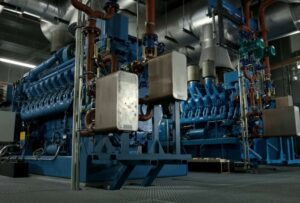
Production engineers work with design teams to make sure early concepts can actually be built at scale.
How Production Engineers Turn Ideas into Efficient Manufacturing Systems
Estimated reading time: 4 minutes
Image Source: Canva
Production engineering sits at the intersection of design, operations, and business results. It is the discipline that takes an idea from the CAD screen or lab prototype and turns it into a stable, repeatable, and cost effective manufacturing system. To do this well, production engineers combine process know-how and data-driven thinking. In addition, they need a solid grasp of tools like line balancing, layout planning, and the basics of what is bill of materials for each product they help industrialize.
From concept to manufacturable design
A strong production system starts long before the first machine is installed. Production engineers work with design teams to make sure early concepts can actually be built at scale.
- They review early designs for manufacturability, looking at tolerances, materials, and joining methods. This avoids processes that are too fragile or expensive at volume.
- They help define high level process routes (which steps, in what order, with what equipment). As a result, prototypes do not evolve into production dead ends.
At this stage, production engineers also begin to translate design intent into structured product data. This includes a clear definition of what is bill of materials for each variant that might go into production.
Turning product structure into real processes
Once the product structure is stable, production engineers design the actual manufacturing system that will deliver it.
- They use the BOM, routing information, and demand forecasts to decide on cell layouts, line configurations, and equipment choices. This balances throughput, flexibility, and cost.
- They define standard work, work instructions, and quality checkpoints so each operation is clear, measurable, and repeatable.
A well structured understanding of what is bill of materials – including components, subassemblies, and consumables – acts as the blueprint for this process design work. This ensures that nothing critical is left out when lines are specified and balanced.
Using BOMs and data to control cost and quality
Efficient manufacturing is not just about speed; it is about controlling cost and quality at the same time. Production engineers rely heavily on good product data to do both.
- By working from a clear BOM, they can support accurate cost rollups (materials, labor, and overhead). They can also run “what if” scenarios when materials, suppliers, or batch sizes change.
- They tie process parameters, inspection plans, and traceability records back to specific items in the BOM. As a result, it becomes easier to track quality trends and respond quickly to defects or field issues.
In many modern environments, understanding what a bill of materials is also key to connecting engineering tools with ERP, MES, and quality systems. Therefore, changes in one place are reflected across purchasing, scheduling, and reporting.
Bridging engineering, operations, and supply chain
Production engineers often act as translators between design, shop floor operators, and supply chain teams.
- They help engineering teams understand manufacturing constraints and supplier realities, such as lead times, minimum order quantities, and process capabilities.
- They work with planners and buyers to ensure that the information captured in the BOM – part numbers, units of measure, alternates, and configurations – lines up with how materials are ordered, stored, and issued to the line.
When everyone shares the same understanding of what is bill of materials, communication improves. As a result, fewer surprises show up during ramp up, revisions, or localization for new markets.
Continuous improvement of manufacturing systems
Even after a line is running, production engineering work is far from finished. Demand changes, new variants are introduced, and cost or sustainability targets evolve.
- Production engineers use techniques like value stream mapping, line rebalancing, and SMED to remove bottlenecks, cut changeover times, and reduce waste.
- They collaborate on engineering changes and product updates, making sure that BOM revisions, new components, and process adjustments are incorporated. This avoids disrupting output.
A consistent, well maintained answer to what is bill of materials for each product family gives them a stable reference point for all of this improvement work. Therefore, they can change systems deliberately instead of improvising around incomplete or inconsistent lists of parts.
Additionally, to stay updated with the latest developments in STEM research, visit ENTECH Online. Basically, this is our digital magazine for science, technology, engineering, and mathematics. Further, at ENTECH Online, you’ll find a wealth of information.
- Author
- Latest Posts

A driven and dedicated IT professional specializing in web development and research. Backed by a strong academic foundation and extensive hands-on experience at Coneixement INDIA, I consistently deliver innovative, high-quality digital solutions that enhance user experience and drive measurable business growth.
With a passion for continuous learning and advancing my technical expertise, I am eager to take on new challenges in dynamic, larger organizations where I can contribute to transformative projects, optimize digital strategies at scale, and help elevate the company’s online presence. My commitment to excellence, combined with a results-oriented approach, makes me a valuable asset ready to support business objectives and future-proof digital initiatives in competitive markets.