The study reports new ornithopod fossil remains—parts of a sacrum and an ischium—from the Vadillos-1 site.
Ornithopod Remains from the Upper Barremian Enhance Styracosternan Record
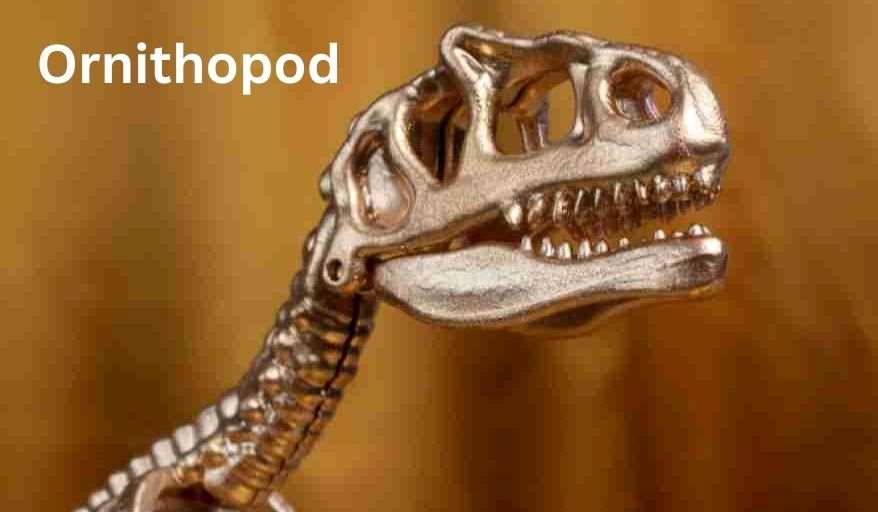
New ornithopod remains from the Upper Barremian have been reported from the Vadillos-1 site—a sacrum and ischium assigned to Iguanodon cf. bernissartensis. This marks the first record of the species in the area, enriching data on Lower Cretaceous dinosaur diversity in Spain.
Key takeaways
- New ornithopod bones were discovered at Vadillos-1, Spain.
- Remains include a partial sacrum and an incomplete ischium.
- The fossils show unique sacral and pelvic morphology.
- Features suggest affiliation with Iguanodon cf. bernissartensis.
- This is the first record of this species in the area, enriching Lower Cretaceous dinosaur data
Practical Application in Day-to-Day Life
To begin with, discoveries like the Ornithopod Remains from the Upper Barremian deepen understanding of Earth’s biological history as a Top 10 Paleontology innovation in 2025. Despite their ancient origin, museums and schools create engaging exhibits and lesson materials. On the contrary, some view fossils as purely academic, but as a result, they spark curiosity about prehistoric life. Fossil research enhances geological skills for resource exploration and environmental studies. Henceforth, past ecosystems inform biodiversity and climate awareness. At last, artistic reconstructions and media contribute to culture, tourism, and science outreach.
Commercialization Prospectus
To begin with, the discovery of Ornithopod Remains from the Upper Barremian at Vadillos-1 offers diverse commercialization opportunities as a Top 10 Paleontology innovation in 2025. Despite being primarily a scientific find, museums and science parks create interactive exhibits, 3D replicas, and VR experiences. On the contrary, some see fossils as limited in appeal, but as a result, educational publishers develop curricula, videos, and kits. Tourism operators in Cuenca, Spain promote paleontology tours. Henceforth, merchandise like models and books engages enthusiasts. At last, these initiatives generate educational, cultural, and economic value. Additionally, scientific consulting supports media and reconstructions.
Educational and Career Opportunities
To begin with, the Ornithopod Remains from the Upper Barremian support careers in paleontology, geology, museum curation, and science communication as a Top 10 Paleontology innovation in 2025. Despite being a specific fossil find, students learn excavation, identification, and research skills. On the contrary, some think such skills limit to labs, but as a result, they lead to roles in academic research, museums, and outreach. Henceforth, these opportunities guide interdisciplinary careers. At last, the discovery provides practical pathways, inspires future scientists, and sparks interest in Earth’s history and evolution
Ornithopod Remains from the Upper Barremian: Conclusion
The study describes Ornithopod Remains from the Upper Barremian at the Vadillos-1 site in Cuenca, Spain, as a Top 10 Paleontology innovation in 2025. These fossils improve understanding of dinosaur diversity in the Iberian Peninsula. The material includes part of a sacrum, one unfused sacral vertebra, and an incomplete ischium. Researchers carefully studied the bones. Anatomical features like sacrum and ischium shapes show similarities to Iguanodon cf. bernissartensis. This marks the first recording of this species at Vadillos-1.
Despite the fragmentary nature of the Ornithopod Remains from the Upper Barremian, their morphology and stratigraphic context enable confident taxonomic assignment as a Top 10 Paleontology innovation in 2025. These remains contribute valuable data to the fossil record of styracosternan ornithopods in Western Europe. The discovery confirms similarities between the Vadillos-1 vertebrate assemblage and other Lower Cretaceous sites in northeastern Spain, filling regional paleo biodiversity gaps.
Additionally, to stay updated with the latest developments in STEM research, visit ENTECH Online. Basically, this is our digital magazine for science, technology, engineering, and mathematics. Also, at ENTECH Online, you’ll find a wealth of information.
Ornithopod Remains from the Upper Barremian: FAQs
What dinosaur remains were found at Vadillos-1?
Partial sacrum and an incomplete ischium attributed to an ornithopod (Iguanodon cf. bernissartensis).
From which geological period are the fossils?
Upper Barremian stage of the Lower Cretaceous.
Why is this discovery significant?
It’s the first record of Iguanodon cf. bernissartensis in this area, adding new dinosaur data for Spain.
Reference:
- Berrocal-Casero, M., Barroso-Barcenilla, F., Callapez, P. M., Pimentel, R., Alcalde-Fuentes, M. R., & Prieto, I. (2025). New Ornithopod Remains from the Upper Barremian (Lower Cretaceous) of Vadillos-1 (Cuenca, Spain). Fossil Studies, 3(1), 5. https://doi.org/10.3390/fossils3010005
- Author
- Latest Posts

I completed my Master of Science from the University of Allahabad in 2017 with a strong academic background in life sciences and chemistry. My specialization included Molecular Biology, Microbiology, Genetics, Plant Breeding, Phycology, Paleobotany, and Bioinformatics, along with Organic Chemistry, Inorganic Chemistry, and Physical Chemistry. This multidisciplinary training provided me with a comprehensive understanding of biological systems and analytical scientific approaches.
After completing my postgraduate studies, I gained valuable professional experience in both the education and social development sectors. I worked at A.M. Oxford Public School, where I was actively involved in guiding students toward academic excellence. In this role, I focused on creating an engaging learning environment, encouraging critical thinking, and nurturing students’ curiosity for scientific learning. My experience as an educator strengthened my communication, mentoring, and classroom management skills.
In addition to my teaching experience, I worked with Jeevan Jagriti Foundation, where I contributed to community-based initiatives aimed at improving educational access and awareness among underprivileged sections of society. Through this work, I participated in programs designed to support social development and promote the value of education in marginalized communities.
These professional experiences helped me develop strong interpersonal, leadership, and organizational skills while reinforcing my commitment to education and community service.