Discover the top skills that will shape careers by 2030. Learn why continuous learning, adaptability, AI literacy, and communication are essential for future success.
The Skills That Will Matter Most in 2030
Estimated reading time: 5 minutes
Artificial Intelligence is writing emails, analysing data, generating code, and even creating presentations. Automation is transforming industries faster than ever before, and job roles that seemed secure a few years ago are rapidly evolving. In this changing landscape, one thing is becoming increasingly clear: the professionals who continue lifelong learning will be the ones who thrive.
According to the World Economic Forum’s Future of Jobs Report 2025, nearly 39% of today’s workforce skills are expected to change by 2030. The report also estimates that 59% of workers worldwide will require reskilling or upskilling over the next five years. These numbers highlight an important reality: success in the future workplace will depend less on what you already know and more on how quickly you can learn new skills.
Learning platforms like UrbanPro are helping individuals prepare for this future by connecting learners with experienced tutors across academics, professional skills, languages, technology, fitness, music, and creative disciplines. Whether you’re a student preparing for your first job or a professional looking to stay competitive, developing the right skills today can create opportunities for years to come.
Adaptability Will Become Your Greatest Competitive Advantage
Technology changes rapidly, but the ability to adapt remains timeless.
Professionals who embrace new tools, explore emerging technologies, and remain open to continuous learning will find it easier to transition into new roles and industries.
Adaptability also includes being comfortable with uncertainty, learning unfamiliar systems, and developing new ways of solving problems.
In many industries, this mindset has become just as valuable as technical expertise.
Digital Literacy Is Becoming a Basic Workplace Skill
A decade ago, knowing how to use productivity software was considered sufficient.
Today, digital literacy includes understanding cloud platforms, collaboration tools, cybersecurity awareness, artificial intelligence applications, and digital communication.
Even professionals in traditionally non-technical industries are expected to use technology confidently in their daily work.
As businesses continue their digital transformation, digital literacy is becoming a fundamental career requirement rather than a specialised skill.
Communication Remains Irreplaceable
While technology continues to automate repetitive tasks, effective communication remains uniquely human.
Professionals who can explain ideas clearly, collaborate with diverse teams, negotiate effectively, and build strong relationships consistently perform better in leadership and client-facing roles.
Whether you’re presenting to stakeholders or teaching students, communication continues to influence professional success.
Critical Thinking Will Separate Professionals from Technology
Artificial Intelligence can generate information within seconds.
Knowing whether that information is accurate, relevant, and appropriate still requires human judgement.
Critical thinking involves analysing situations, evaluating evidence, identifying assumptions, and making informed decisions.
As AI becomes more widely available, the ability to question, interpret, and apply information responsibly will become increasingly valuable.
Creativity Is Becoming a Business Skill
Innovation rarely comes from following existing processes.
Businesses increasingly value employees who can develop new ideas, improve workflows, create engaging customer experiences, and solve problems creatively.
Creativity extends beyond design and the arts. It influences marketing, product development, education, entrepreneurship, and leadership.
Professionals who combine technical knowledge with creative thinking often deliver the greatest impact.
Emotional Intelligence Cannot Be Automated
Technology can process information.
People understand emotions.
Emotional intelligence includes empathy, self-awareness, relationship management, conflict resolution, and effective collaboration.
These qualities influence leadership, customer service, teaching, healthcare, sales, and team management.
As automation expands, human-centred skills become even more valuable.
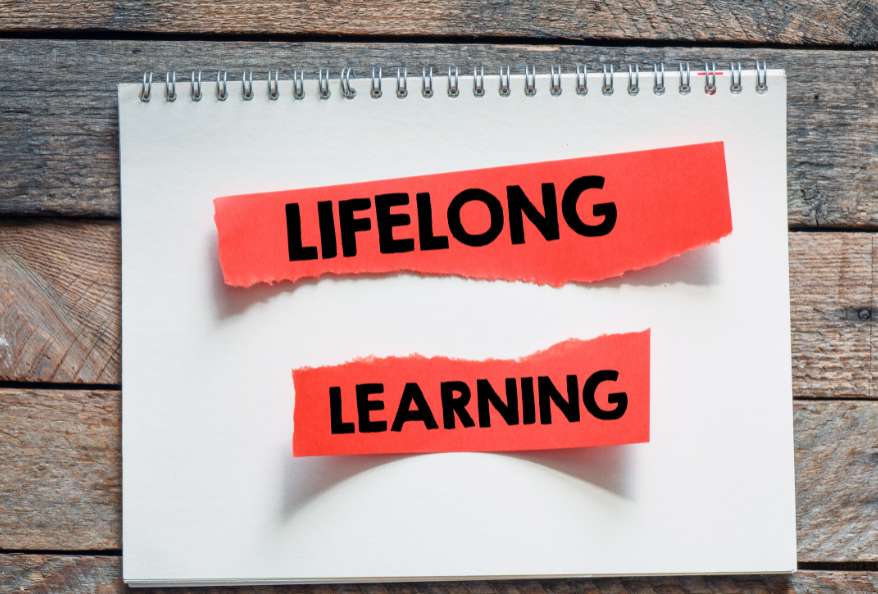
Lifelong Learning Is Becoming the New Career Strategy
Gone are the days when a single degree could support an entire career.
Today’s professionals continuously update their knowledge through certifications, workshops, mentoring, online courses, and practical projects.
Many individuals now develop expertise in multiple disciplines throughout their careers, combining technical knowledge with communication, leadership, and business skills.
Platforms such as UrbanPro make this easier by giving learners access to educators across hundreds of academic, professional, and creative categories, allowing people to continue learning throughout different stages of their personal and professional lives.
Industry Expertise Must Evolve Continuously
Every industry experiences change.
Marketing professionals now learn AI-powered analytics.
Teachers explore digital classrooms.
Finance professionals understand automation.
Software developers study machine learning.
Healthcare professionals adapt to new technologies.
Continuous learning ensures professionals remain valuable as industries evolve.
Building Skills Is Easier Than Ever
Technology has made quality education more accessible than at any other time in history.
Learners can now attend live online classes, schedule one-to-one sessions, access recorded lessons, and learn directly from experienced educators regardless of their location.
This accessibility has removed many traditional barriers to professional development, making it easier for individuals to invest in their future.
The Future Belongs to Curious Learners
Perhaps the most valuable skill of all is curiosity.
People who actively seek new knowledge, ask better questions, and remain open to learning often adapt more successfully to changing industries and emerging opportunities.
Curiosity drives innovation, creativity, and continuous improvement.
It transforms learning from an occasional activity into a lifelong habit.
Final Thoughts
The workplace of 2030 will reward professionals who embrace change rather than resist it. Technical expertise will remain important, but adaptability, communication, creativity, emotional intelligence, and continuous learning will increasingly determine long-term success.
Platforms like UrbanPro are making lifelong learning more accessible by connecting learners with experienced educators across a wide range of subjects and skills. Whether you’re preparing for your first job, planning a career transition, or simply exploring a new interest, investing in the right skills today is one of the smartest decisions you can make for tomorrow.
Additionally, to stay updated with the latest developments in STEM research, visit ENTECH Online. Basically, this is our digital magazine for science, technology, engineering, and mathematics. Further, at ENTECH Online, you’ll find a wealth of information.
- Author
- Latest Posts

Kottauppari Venkat Raghava
I am an Information Technology graduate (B.Tech) and a technology writer specialising in artificial intelligence, robotics, automation, and space technologies. I analyse complex scientific research and convert it into clear, practical insights for students, tech enthusiasts, and professionals. My work bridges the gap between academic research and real-world understanding by simplifying findings from peer-reviewed journals into engaging, easy-to-follow content. Alongside my writing, I have hands-on experience developing real-world projects, showcased on my GitHub, including an Expense Tracker web application for managing and visualising spending, and a Simple Video Summariser that generates concise insights from video content using automation techniques. I also produce research-driven articles on topics such as AI-powered corrosion detection, deep learning in engineering, and advanced automation systems. I follow a research-driven approach, ensuring every article is grounded in verified sources, industry knowledge, and practical applications. My goal is to make advanced technology accessible and meaningful, helping readers stay informed about innovations shaping the future.