Top 10 Biology Discoveries in 2025


Top 10 Biology Discoveries in 2025: Groundbreaking Research That Changes Science
At the present time, biology advances at an extraordinary pace globally. Above all, scientists make remarkable discoveries that transform our understanding of life. To explain, 2025 brings incredible breakthroughs in marine biology, neuroscience, and medicine. With this in mind, this comprehensive guide covers the most exciting findings this year.
In effect, these discoveries address critical challenges facing humanity today. What’s more, they offer hope for treating diseases and extending healthy lifespans. To enumerate, the top 10 biology discoveries in 2025 span multiple fascinating research areas.
1. Deep-Sea Lantern Shark: A Glowing Ocean Mystery
What Scientists Found
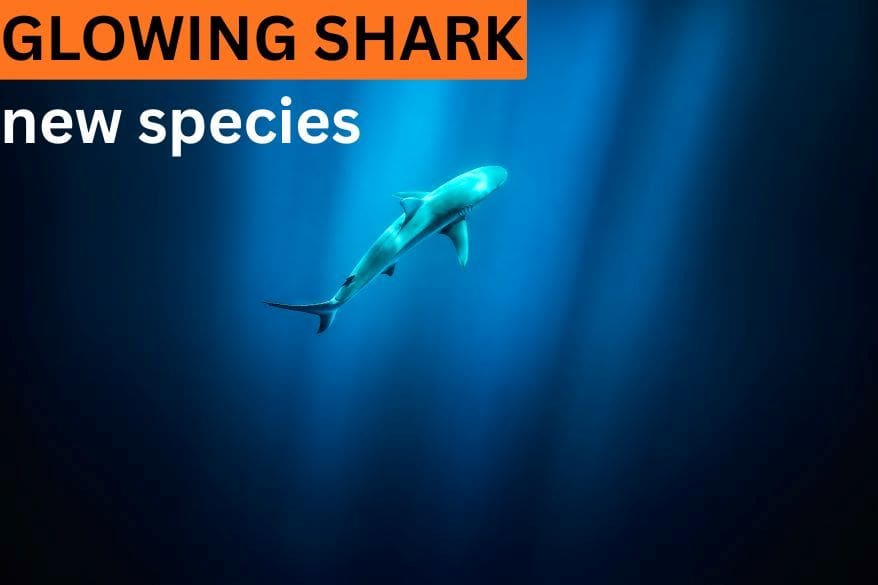
At first, marine biologists made an astonishing discovery in deep ocean waters. To illustrate, they found a lantern shark that produces its own light remarkably. In fact, this bioluminescent species glows in complete darkness underwater. What’s more, the shark uses light for communication and hunting prey.
Why This Discovery Matters
In detail, bioluminescence helps scientists understand deep-sea ecosystems better now. To point out, only a small fraction of ocean depths have been explored. As a result, discoveries like this expand marine biology knowledge significantly. In like manner, researchers study how light production evolved in different species.
Future Research Directions
With attention to applications, bioluminescence research offers practical uses today. To that end, scientists develop new imaging technologies inspired by glowing organisms. In essence, nature provides blueprints for innovative medical and industrial tools. Sooner or later, these findings will benefit biotechnology research significantly.
2. Fat Stem Cells Can Restore Spine Damage
The Breakthrough in Regenerative Medicine
Another key point involves stem cell therapy for spinal cord injuries. At this time, researchers discovered that fat stem cells can restore spine damage effectively. To explain, these cells come from adipose tissue in the body. In similar fashion, they regenerate damaged neural tissue when properly prepared.
How Fat Stem Cells Work
In detail, adipose-derived stem cells transform into various cell types readily. To put it differently, they can become nerve cells under right conditions. With the result that, paralyzed patients may regain movement eventually. As a matter of fact, clinical trials show promising results for participants.
Impact on Paralysis Treatment
With this intention, spinal cord injury treatments could change dramatically soon. To rephrase it, millions of patients worldwide may benefit from this therapy. In short, fat stem cells offer an accessible source for regeneration. All things considered, this discovery represents a major medical breakthrough.
Career Opportunities
For students, regenerative medicine offers exciting career paths today. To list, these include stem cell research, tissue engineering, and clinical therapy.
3. Long Lifespan and Mitochondria: New Discovery
Understanding Cellular Energy and Aging
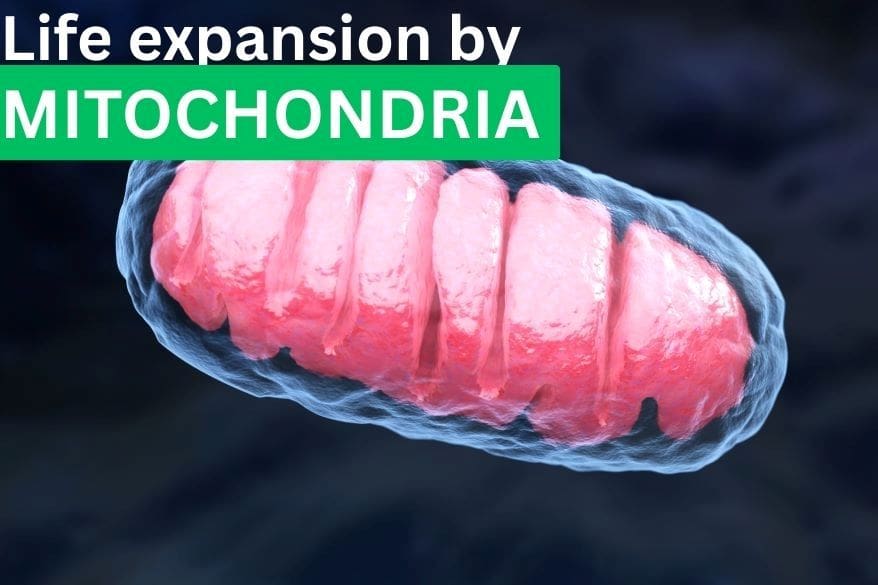
In similar fashion, scientists revealed crucial connections between longevity and mitochondria this year. To explain, mitochondria are the powerhouses inside every cell. In effect, they produce energy that keeps cells functioning properly. What’s more, healthy mitochondria correlate strongly with longer lifespans.
The Science Behind the Finding
At this point, researchers studied organisms with exceptionally long lifespans. In detail, they found superior mitochondrial function in these subjects consistently. To point out, efficient energy production reduces cellular damage over time. With this purpose in mind, targeting mitochondria could slow aging significantly.
Anti-Aging Applications
By comparison, this discovery opens new anti-aging treatment possibilities today. To that end, scientists develop drugs that enhance mitochondrial performance. In like fashion, lifestyle interventions can improve mitochondrial health naturally. As an illustration, exercise and proper nutrition boost cellular energy production.
Future of Longevity Research
All in all, mitochondria research will shape aging science for years ahead. To summarize, understanding cellular energy unlocks secrets to healthy aging. In conclusion, this finding advances gerontology research significantly this year.
4. Previously Unknown DNA Damage Identified
A Hidden Threat to Genetic Health
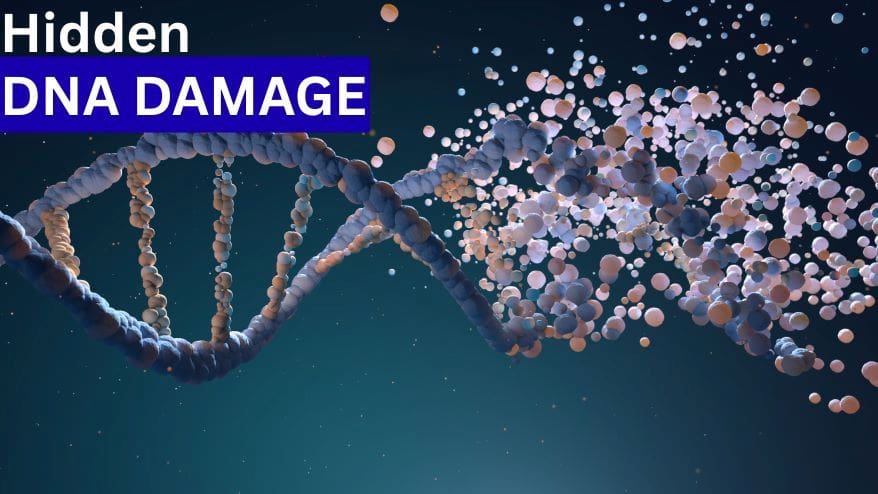
With attention to genetics, scientists discovered a previously unknown type of DNA damage recently. To explain, this damage escaped detection by traditional laboratory methods. In fact, it affects genetic stability in ways scientists didn’t understand. What’s more, this finding changes how we approach DNA repair research.
How This Damage Occurs
At this instant, researchers identified new mechanisms causing this genetic harm. In detail, environmental factors and metabolic processes contribute to damage. To put it another way, everyday cellular activities create these hidden genetic lesions. With the result that, accumulated damage may cause diseases over time.
Implications for Disease Prevention
In essence, understanding this damage helps prevent genetic diseases better. To point out, cancer and aging may involve this damage mechanism. As a result, new therapies can target previously invisible genetic problems. In like manner, diagnostic tests will improve with this knowledge.
Research Advancement
By and large, this discovery advances genomics and molecular biology significantly. To rephrase it, scientists now see a more complete picture of DNA health. With this intention, genetic medicine becomes more precise and effective today.
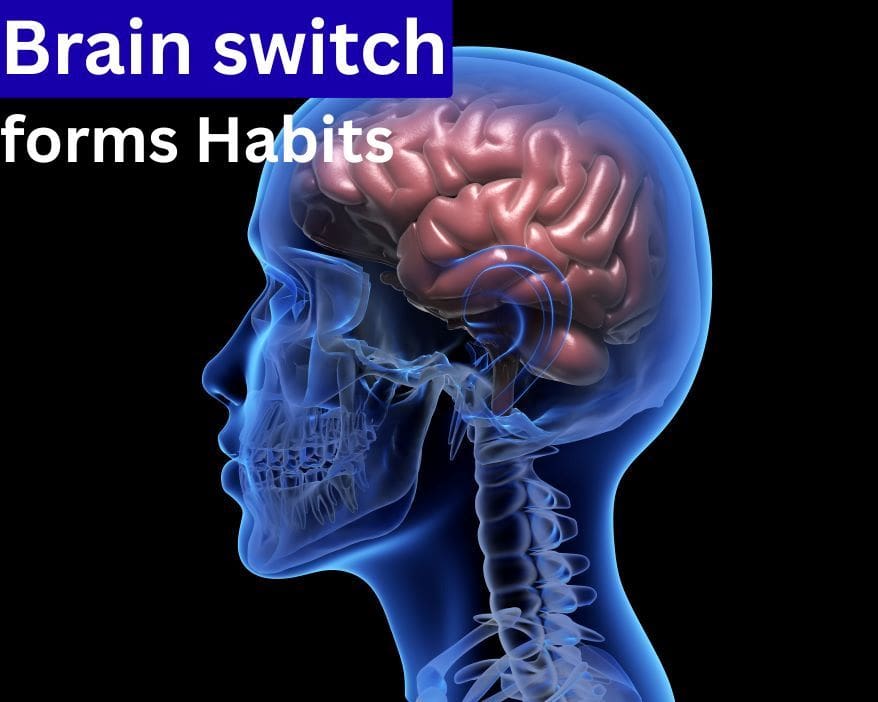
5. Our Brain Has a Hidden Habit Button
Neuroscience Breakthrough
At the same time, neuroscientists found a hidden habit button in human brains this year. To explain, specific neural circuits control automatic behaviors directly. In effect, this button determines which actions become habits over time. What’s more, understanding this mechanism could revolutionize behavior therapy.
How Habits Form in the Brain
In detail, the brain creates shortcuts for repeated actions efficiently. To illustrate, these shortcuts save mental energy for complex tasks. At this point, scientists identified the exact brain regions involved. With this purpose in mind, they mapped the neural pathways controlling habits.
Applications for Addiction Treatment
Together with basic research, this discovery impacts addiction medicine significantly. To that end, therapists can target the habit button during treatment. In similar fashion, bad habits may be disrupted through targeted interventions. As a matter of fact, smoking cessation and weight loss programs may improve.
Mental Health Implications
In contrast, understanding habits helps treat obsessive-compulsive disorder too. At least, patients gain insight into why behaviors persist stubbornly. Sooner or later, new medications may target the habit circuitry directly. In sum, neuroscience research benefits mental health treatment significantly.
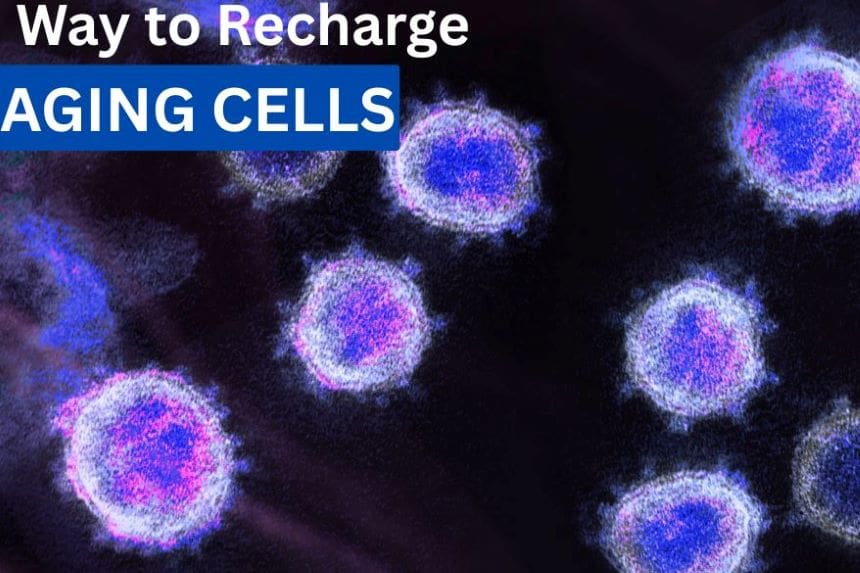
6. Nanomaterial Breakthrough Recharges Old Cells
Revolutionary Anti-Aging Technology
All things considered, nanotechnology achieves remarkable results in cellular rejuvenation now. To explain, scientists developed nanomaterials that recharge old cells effectively. In fact, tiny particles restore cellular function in aging tissues. What’s more, this breakthrough could reverse age-related decline significantly.
How Nanomaterials Restore Cells
At this time, researchers created particles that enter cells safely. In detail, these nanoparticles deliver rejuvenating compounds to cellular machinery directly. To point out, mitochondria and other organelles regain youthful function. With the result that, cells perform as if they were younger.
Potential Medical Applications
With attention to healthcare, this technology offers numerous treatment possibilities. To enumerate, age-related diseases like Alzheimer’s may benefit from this approach. In like fashion, heart disease and diabetes treatments could improve dramatically. As an illustration, clinical trials are testing these nanomaterials now.
The Future of Nanomedicine
In essence, nanomedicine represents a major frontier in healthcare innovation. To summarize, tiny particles accomplish what larger drugs cannot achieve. In conclusion, this discovery accelerates anti-aging research considerably this year.
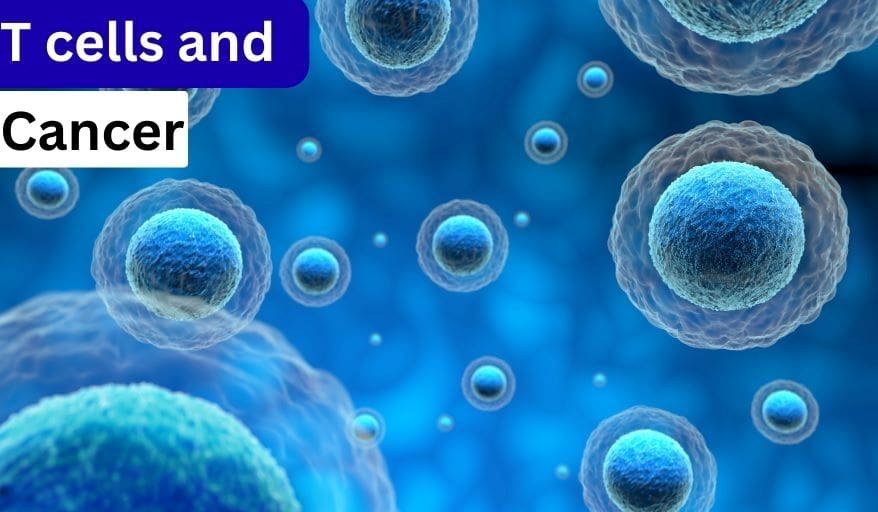
7. T-Cell Receptor: The Future of Cancer Treatment
Immunotherapy Advancement
Another key point involves T-cell receptor research transforming cancer medicine. At this point, scientists made major progress in engineering T-cell receptors for cancer treatment successfully. To explain, these modified immune cells attack tumors with precision. In effect, the body’s defense system becomes a powerful cancer fighter.
How T-Cell Therapy Works
In detail, doctors extract T-cells from cancer patients carefully. To put it differently, they modify these cells to recognize tumor markers. With this intention, re-infused cells hunt and destroy cancer throughout the body. What’s more, this approach offers personalized treatment for each patient.
Clinical Trial Success
As a matter of fact, clinical trials show remarkable success rates today. To illustrate, patients with advanced cancers achieve complete remission sometimes. In similar fashion, solid tumors respond to engineered T-cell therapy now. As a result, immunotherapy becomes a standard cancer treatment option.
Impact on Oncology
By comparison, T-cell receptor therapy outperforms traditional treatments often. To that end, side effects may be less severe than chemotherapy. In sum, cancer immunotherapy offers hope to millions of patients worldwide.
8. Friedreich’s Ataxia Cure: New Discovery of 2025
Hope for a Rare Genetic Disease
With this in mind, researchers found promising treatments for Friedreich’s Ataxia this year. To explain, this rare genetic disorder affects movement and coordination severely. In fact, patients lose the ability to walk and speak eventually. What’s more, the disease currently has no approved cure available.
The Scientific Breakthrough
At first, scientists identified the root genetic cause precisely. In detail, a protein called frataxin is deficient in affected patients. To point out, new therapies boost frataxin production in cells directly. With the result that, disease progression may slow or reverse.
Clinical Trial Progress
Together with laboratory research, clinical trials show encouraging results. To rephrase it, patients experience improved coordination and reduced symptoms. In like manner, gene therapy approaches are being tested as well. Sooner or later, FDA approval may come for effective treatments.
Impact on Rare Disease Research
All in all, this discovery benefits the broader rare disease community. To summarize, similar approaches may work for other genetic conditions. In conclusion, Friedreich’s Ataxia patients have renewed hope this year.
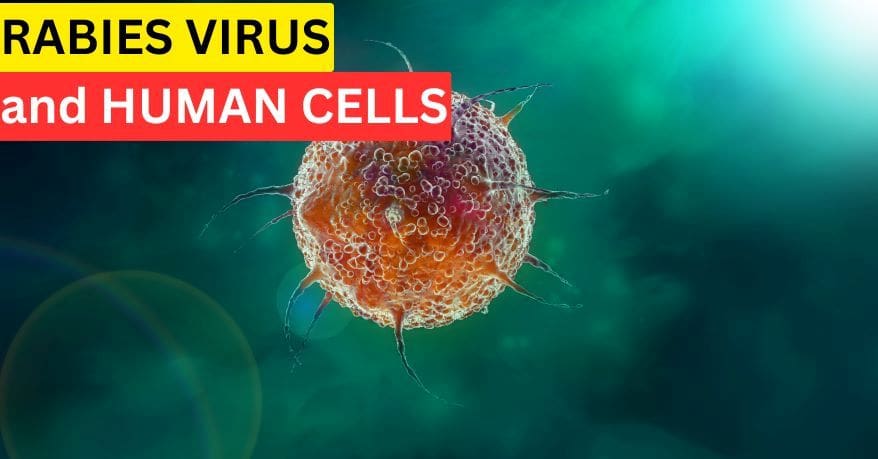
9. Rabies Virus Method of Cellular Takeover
Understanding Viral Infection Mechanisms
In contrast, virologists revealed how rabies virus takes over brain cells completely. To explain, this deadly virus hijacks cellular machinery with precision. In fact, it reprograms neurons to serve viral reproduction exclusively. What’s more, understanding this process helps develop better treatments now.
The Molecular Takeover Process
At this instant, scientists mapped the viral infection pathway in detail. In detail, rabies virus uses specific proteins to enter nerve cells. To put it another way, it travels along neural pathways to reach the brain. With this purpose in mind, the virus avoids immune detection skillfully.
Developing New Antiviral Treatments
As a result, researchers can now target specific infection steps. To that end, new antiviral drugs may interrupt viral takeover effectively. In similar fashion, post-exposure treatments could become more effective soon. In essence, this knowledge saves lives through better medical responses.
Public Health Implications
By and large, rabies remains a significant global health threat today. To point out, tens of thousands die from rabies annually worldwide. With this intention, improved treatments will reduce mortality rates significantly.
10. Non-Biting Midge: New Gondwana Discovery
Evolutionary Biology Revelation
At last, paleobiologists discovered a non-biting midge species from ancient Gondwana recently. To explain, this insect provides clues about prehistoric continental connections. In fact, Gondwana was a supercontinent that existed millions of years ago. What’s more, species distribution reveals how landmasses were once connected.
What This Insect Tells Us
In detail, the midge species lived when continents were joined together. To illustrate, similar species exist on now-separated landmasses today. With the result that, scientists trace evolutionary history through these connections. In like manner, biogeography benefits from this discovery significantly.
Importance for Evolutionary Studies
With attention to science, this finding advances evolutionary biology research. To that end, researchers understand species dispersal patterns better now. In sum, ancient insects help reconstruct Earth’s geological history accurately.
Connecting Past and Present
All things considered, paleobiology reveals connections across millions of years. To summarize, small creatures like midges tell big evolutionary stories. In conclusion, this discovery enriches our understanding of life’s history.
Career Paths in Biology for Students
For students, these discoveries highlight exciting career opportunities today. To list, promising fields include:
- Marine Biology – Study ocean ecosystems and bioluminescent creatures
- Regenerative Medicine – Develop stem cell therapies for injuries
- Gerontology – Research aging and longevity mechanisms
- Genetics – Study DNA damage and repair systems
- Neuroscience – Explore brain function and behavior
- Nanomedicine – Create tiny particles for medical treatments
- Immunology – Develop cancer immunotherapies
- Virology – Study viruses and develop antiviral treatments
- Evolutionary Biology – Research species history and distribution
Conclusion
In sum, the top 10 biology discoveries in 2025 represent remarkable scientific achievements. To summarize, they advance medicine, evolutionary understanding, and cellular biology significantly. Above all, these findings offer hope for treating diseases and understanding life. At this instant, visit https://entechonline.com/ for detailed articles on each discovery. With this purpose in mind, stay informed about biology breakthroughs shaping science. After all, biology continues revealing life’s amazing complexity every year.