Top 10 Biotechnology Discoveries and Innovations in 2025


Top 10 Biotechnology Discoveries and Innovations in 2025: Transforming Healthcare and Science
At the present time, biotechnology advances at an unprecedented pace worldwide. Above all, scientists develop groundbreaking tools that transform medicine and healthcare. To explain, 2025 brings remarkable innovations in gene editing, cancer treatment, and diagnostics. With this in mind, this comprehensive guide covers the most exciting biotechnology breakthroughs.
In effect, these discoveries address critical health challenges facing humanity today. What’s more, they offer hope for treating previously incurable diseases effectively. To enumerate, the top 10 biotechnology discoveries in 2025 span multiple research areas.
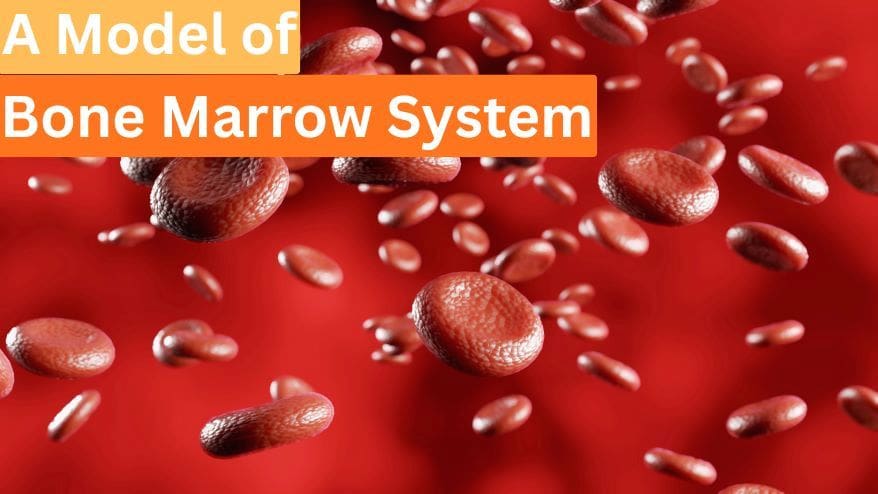
1. Human-Made Bone Marrow System Developed in Lab
A Revolutionary Achievement in Regenerative Medicine
At first, researchers achieved a remarkable milestone in tissue engineering this year. To illustrate, they successfully created a human-made bone marrow system in the laboratory environment. In fact, this artificial bone marrow produces functional blood cells outside the body. What’s more, this breakthrough could transform blood disorder treatments completely.
How the Lab-Grown System Works
In detail, scientists replicated the complex bone marrow microenvironment artificially. To point out, bone marrow contains stem cells that produce all blood types. As a result, the artificial system mimics this natural process accurately. In like manner, red cells, white cells, and platelets form correctly.
Impact on Transplant Medicine
With attention to patients, this technology offers significant treatment benefits. To that end, people waiting for bone marrow transplants may benefit soon. In essence, donor shortages could become less problematic over time. Sooner or later, lab-grown bone marrow may replace traditional transplants.
Future Research Directions
All things considered, regenerative medicine takes a major step forward today. To summarize, artificial organs and tissues become increasingly achievable now. In conclusion, this discovery impacts hematology and oncology research significantly.
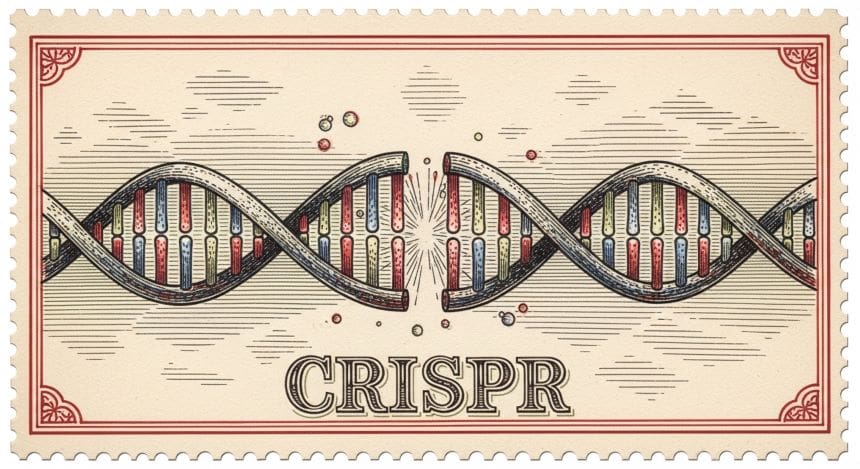
2. CRISPR Epigenetic Editing for Sickle Cell Anemia
Gene Editing Without Permanent DNA Changes
Another key point involves CRISPR technology treating genetic blood disorders effectively. At this time, researchers developed CRISPR epigenetic editing for sickle cell anemia treatment. To explain, this approach modifies gene expression without cutting DNA strands. In fact, epigenetic changes are potentially reversible and safer for patients.
Understanding Epigenetic Editing
In detail, traditional CRISPR cuts DNA to make permanent genetic changes. To put it differently, epigenetic editing turns genes on or off instead. With the result that, disease-causing genes become silent without DNA damage. In similar fashion, this reduces risks associated with gene therapy significantly.
Benefits for Sickle Cell Patients
With this intention, millions of sickle cell disease patients gain new hope. To rephrase it, painful crises and organ damage may be prevented now. In short, one treatment could provide long-lasting relief from symptoms. As a matter of fact, clinical trials show promising early results.
Broader Applications
By comparison, epigenetic editing may treat other genetic conditions too. To that end, diseases like beta-thalassemia could benefit from this approach. In sum, gene therapy becomes safer and more accessible for everyone.
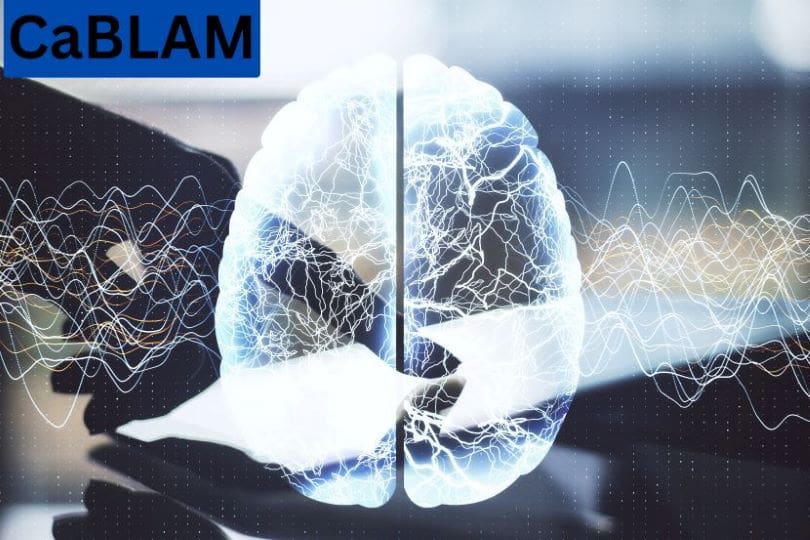
3. CABLAM: A Tool to Watch How the Brain Thinks
Revolutionary Brain Imaging Technology
In similar fashion, neuroscientists developed CABLAM to observe how brains think in real-time. To explain, this brain imaging tool tracks neural activity with unprecedented precision. In effect, researchers can watch thoughts form inside the brain now. What’s more, this technology advances our understanding of cognition significantly.
How CABLAM Technology Works
At this point, CABLAM uses advanced sensors to detect brain signals. In detail, it measures electrical and chemical activity simultaneously across regions. To point out, this provides a complete picture of brain function. With this purpose in mind, scientists map thought processes more accurately.
Applications in Neurological Research
Together with basic research, CABLAM benefits clinical medicine directly. To illustrate, doctors can diagnose neurological disorders earlier and more accurately. In like manner, conditions like Alzheimer’s and Parkinson’s become better understood. As a result, treatment development accelerates through this technology.
Mental Health Applications
All things considered, neuroscience gains powerful new research tools today. To summarize, depression, anxiety, and other conditions may be studied better. In conclusion, CABLAM represents a major advancement in brain science.
4. Disabling Cancer’s Power Hubs to Stop Tumors
Targeting Tumor Energy Metabolism
With attention to oncology, scientists discovered ways to disable cancer’s power hubs effectively. To explain, cancer cells need enormous amounts of energy to grow. In fact, they hijack cellular power systems to fuel rapid division. What’s more, targeting these systems can stop tumor growth completely.
The Science of Cancer Metabolism
At this instant, researchers identified key metabolic pathways in tumors specifically. In detail, cancer cells rely on mitochondria and glucose metabolism heavily. To put it another way, cutting energy supplies starves tumors effectively. With the result that, cancer progression slows or stops entirely.
New Treatment Approaches
By comparison, this approach differs from traditional chemotherapy significantly. To that end, healthy cells may be spared from treatment damage. In similar fashion, side effects could decrease with metabolic targeting. As an illustration, patients may tolerate treatments better overall.
Clinical Trial Progress
In essence, cancer metabolism research enters clinical testing phases now. To point out, early results show promising tumor reduction in patients. Sooner or later, metabolic therapies may become standard cancer treatments.
5. A Universal Cancer Vaccine Discovery
One Vaccine for Multiple Cancer Types
At the same time, researchers made remarkable progress on a universal cancer vaccine development. To explain, this cancer immunotherapy approach trains immune systems against tumors. In fact, one vaccine may protect against many different cancer types. What’s more, this could revolutionize cancer prevention completely worldwide.
How Universal Cancer Vaccines Work
In detail, the vaccine targets markers common to many cancer cells. To rephrase it, most tumors share certain proteins that vaccines can target. With this intention, the immune system learns to recognize all cancers. In like manner, the body becomes able to fight tumors naturally.
Prevention Versus Treatment
All things considered, cancer prevention offers greater benefits than treatment alone. To that end, healthy people may receive vaccines before cancer develops. In short, this approach could reduce cancer incidence dramatically over time. As a matter of fact, cancer may become a preventable disease.
Global Health Impact
By and large, cancer vaccines could save millions of lives annually. To summarize, healthcare systems would benefit from reduced treatment costs. In conclusion, universal vaccination represents a major oncology breakthrough this year.
6. EVE-VAX: Vaccines for Future Viruses
Preparing for Tomorrow’s Pandemics Today
Another key point involves EVE-VAX creating vaccines for future viruses proactively. To explain, this vaccine platform develops defenses before outbreaks even occur. In effect, scientists predict which viruses may emerge and prepare accordingly. What’s more, pandemic preparedness improves significantly through this innovation.
The EVE-VAX Technology Platform
At this time, researchers use AI to analyze potential viral threats. In detail, the system identifies emerging pathogens with pandemic potential accurately. To point out, vaccine candidates are developed and stored for rapid deployment. With this purpose in mind, outbreak responses become much faster.
Lessons from Recent Pandemics
In light of COVID-19, rapid vaccine development proved critically important. To illustrate, months or years of preparation saves countless lives. In similar fashion, EVE-VAX shortens response times dramatically during outbreaks. As a result, future pandemics may cause less devastation worldwide.
Public Health Revolution
In essence, pandemic preparedness enters a new era with this technology. To sum up, proactive vaccine development changes infectious disease management. In conclusion, EVE-VAX represents a major public health advancement today.
7. Microplastic Filter Copied from Fish Gills
Nature-Inspired Environmental Biotechnology
Together with medical innovations, environmental biotechnology achieves remarkable results too. To explain, scientists developed microplastic filters inspired by fish gill structures successfully. In fact, this biomimicry approach removes tiny plastic particles from water efficiently. What’s more, nature provides the blueprint for solving pollution problems.
How Fish-Inspired Filters Work
In detail, fish gills filter particles while allowing water to pass freely. To put it differently, the filter structure mimics this natural design precisely. With the result that, microplastics are captured without blocking water flow. In like manner, the system works efficiently at large scales.
Environmental Impact
With attention to oceans, microplastic pollution threatens marine ecosystems severely. To that end, removing these particles protects fish and wildlife effectively. In similar fashion, drinking water becomes safer for human consumption. As an illustration, coastal communities benefit from cleaner water sources.
Scaling the Technology
All things considered, environmental biotechnology offers practical pollution solutions today. To rephrase it, biomimicry inspires effective and sustainable technologies consistently. In conclusion, fish-inspired filters may clean waterways worldwide soon.
8. Cytodiffusion Blood Analyzer for Leukemia
Faster and More Accurate Cancer Detection
At the same time, diagnostic biotechnology advances with Cytodiffusion blood analyzers for leukemia detection. To explain, this diagnostic tool identifies cancer cells in blood samples rapidly. In effect, doctors can diagnose leukemia much earlier than before. What’s more, early detection dramatically improves patient survival rates.
How Cytodiffusion Technology Works
At this point, the analyzer examines blood cells using advanced imaging techniques. In detail, it detects subtle changes indicating leukemia development accurately. To point out, traditional tests may miss early-stage cancer cells entirely. With this intention, Cytodiffusion catches cancers before symptoms appear.
Benefits for Patients
By comparison, earlier diagnosis leads to earlier and more effective treatment. To that end, patients have better outcomes when cancer is detected promptly. In short, survival rates increase significantly with early intervention strategies. As a matter of fact, routine screening may include Cytodiffusion testing soon.
Expanding Diagnostic Capabilities
In essence, cancer diagnostics become more powerful through this innovation. To summarize, blood tests may detect multiple cancer types eventually. In conclusion, Cytodiffusion represents a major advancement in oncology screening.
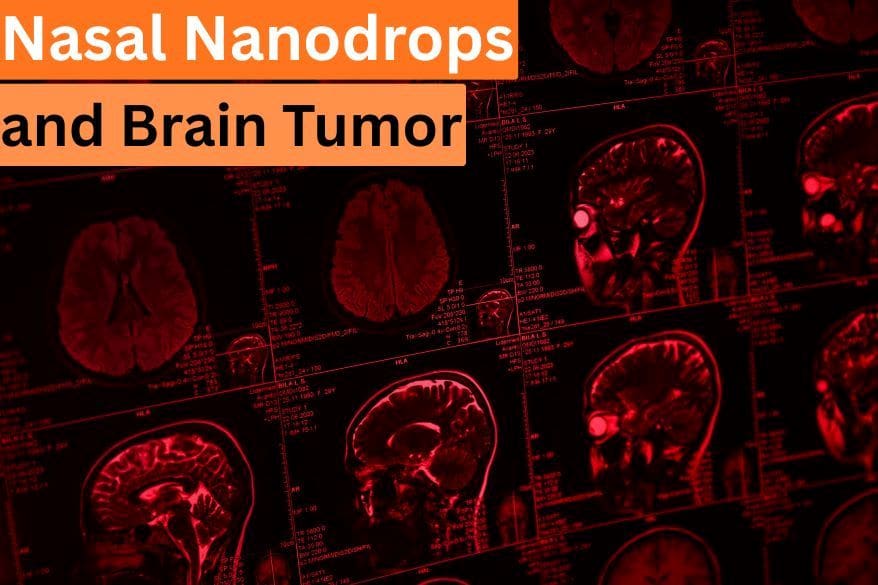
9. Nasal Nanodrops for Brain Tumor Treatment
Bypassing the Blood-Brain Barrier
In contrast, researchers explored whether nasal nanodrops can eradicate brain tumors effectively. To explain, the blood-brain barrier blocks most drugs from reaching brain tissue. In fact, this makes brain cancer treatment extremely challenging for doctors. What’s more, nasal delivery may bypass this barrier completely now.
How Nasal Nanodrops Work
In detail, nanoparticles carry drugs directly through nasal passages to brains. To put it another way, the nose provides a direct pathway to brain tissue. With the result that, higher drug concentrations reach tumors effectively. In similar fashion, side effects decrease because less drug circulates systemically.
Advantages Over Traditional Treatments
With this purpose in mind, nanomedicine offers targeted brain cancer therapy options. To illustrate, chemotherapy side effects may reduce significantly with this approach. In like manner, patients experience less nausea and fatigue during treatment. As a result, quality of life improves during cancer therapy.
Clinical Development
Sooner or later, nasal nanodrops may become standard brain tumor treatments. To point out, clinical trials are testing safety and effectiveness currently. In sum, this innovation could transform neuro-oncology completely over time.
10. POPEVE: Revolutionary AI for Rare Disease Diagnosis
Ending the Diagnostic Odyssey
At last, POPEVE AI revolutionizes rare disease diagnosis for patients worldwide. To explain, this artificial intelligence analyzes symptoms and genetic data rapidly. In fact, rare disease patients often wait years for accurate diagnoses. What’s more, POPEVE dramatically shortens this frustrating diagnostic journey significantly.
How POPEVE AI Functions
In detail, the system uses machine learning to analyze patient information. To that end, it compares symptoms against thousands of rare diseases instantly. With this intention, patterns emerge that human doctors may miss entirely. As a matter of fact, diagnosis accuracy improves significantly with AI assistance.
Impact on Rare Disease Patients
All things considered, early diagnosis changes outcomes for rare disease patients. To rephrase it, appropriate treatments can begin much sooner than before. In like fashion, unnecessary tests and procedures decrease significantly for patients. In essence, healthcare becomes more efficient and less stressful.
The Future of AI Diagnostics
By and large, artificial intelligence transforms medical diagnosis across all specialties. To summarize, POPEVE represents just the beginning of AI healthcare applications. In conclusion, rare disease patients finally have hope for faster answers.
Career Paths in Biotechnology
For students, these discoveries highlight exciting career opportunities today. To list, promising biotechnology fields include:
- Genetic Engineering – Develop gene therapies and CRISPR treatments
- Regenerative Medicine – Create artificial organs and tissue systems
- Cancer Research – Develop immunotherapies and metabolic treatments
- Nanomedicine – Design targeted drug delivery systems
- Bioinformatics – Apply AI to medical diagnostics and research
- Environmental Biotechnology – Develop pollution solutions using biology
- Neurotechnology – Create brain imaging and treatment tools
- Vaccine Development – Design preventive treatments for diseases
- Diagnostic Development – Create new disease detection technologies
All in all, studying biotechnology opens doors to life-changing research careers.
Why Biotechnology Matters in 2025
In sum, biotechnology innovations address humanity’s greatest health challenges directly. To summarize, they improve cancer treatment, disease diagnosis, and environmental protection. Above all, these discoveries save lives and reduce suffering worldwide every day.
At this instant, biotechnology stands at an exciting crossroads of possibility. In effect, gene editing, AI, and nanotechnology converge to create powerful solutions. What’s more, the pace of discovery continues accelerating each year.
Conclusion: Top 10 Biotechnology Discoveries and Innovations in 2025
All things considered, the top 10 biotechnology discoveries in 2025 represent remarkable achievements. To summarize, they transform medicine, diagnostics, and environmental science significantly. In conclusion, these innovations create a healthier world for everyone.
At this instant, visit https://entechonline.com/ for detailed articles on each discovery. With this purpose in mind, stay informed about biotechnology breakthroughs shaping healthcare. After all, biotechnology continues transforming science and medicine every single day.