For the purpose of treating hereditary disorders such as sickle cell disease, researchers have created a novel form of CRISPR-based "epigenetic editing"...
CRISPR-based “epigenetic editing”- Cure For Sickle-Cell Anemia?
Estimated reading time: 4 minutes
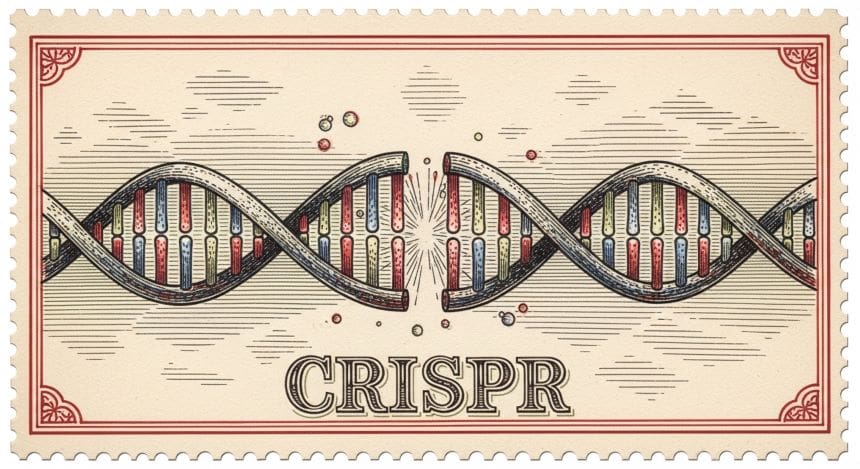
For the purpose of treating hereditary disorders such as sickle cell disease, researchers have created a novel form of CRISPR-based “epigenetic editing” that can switch genes on and off without disrupting DNA. This could be a potentially safer method of treatment. In addition to this, it brings to light the fact that chemical markers that are bound to DNA play an active role in the process of shutting down genes. The elimination of these chemical markers has been shown to be capable of reactivating genes that have been silenced. This breakthrough is directly related to progress in CRISPR therapy 2025. Moreover, these advances set the stage for CRISPR Research 2025 to have a major impact on future therapies.
The new technique does not involve cutting; rather, it makes use of a modified version of the CRISPR system to transport enzymes that remove methyl groups from DNA. This, therefore, provides an effective means of releasing genes that have been silenced. According to the researchers, the fetal globin gene plays an important part in the process of providing oxygenated blood to a developing fetus while it is still in the womb. They believe that turning it back on after delivery could give a clever workaround for the defective adult globin gene that has been responsible for the development of sickle cell illnesses. Clearly, CRISPR therapy 2025 could transform how hereditary disorders are approached in the future. In other words, CRISPR Research 2025 is expected to change the landscape of genetic medicine.
Henry W. B.,et. al conducted this research and published it under the title “Removal of promoter CpG methylation by epigenome editing reverses HBG silencing” in July 2025.
ENTECH STEM Magazine has included this research in its list of the Top 10 Biotechnology Discoveries and Innovations of 2025.
Potential Benefits of CRISPR
Improved treatment for sickle cell disease
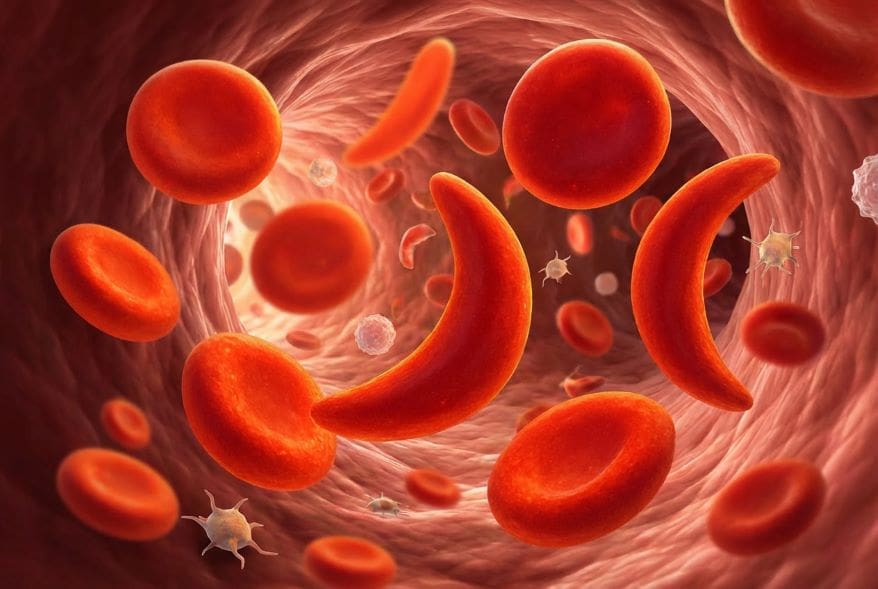
The ability to reactivate the fetal globin gene without disrupting DNA could provide a safer as well as more effective treatment option for individuals with sickle cell disease. This could not only lead to improved quality of life but also reduced disease burden for patients. Notably, the advancements seen in CRISPR therapy 2025 play a key role in these potential benefits. It is evident that CRISPR Research 2025 will influence new therapeutic strategies.
Potential applications of CRISPR Research in other hereditary disorders
The epigenetic editing approach may be adaptable to treating other genetic disorders caused by either silenced or dysregulated genes. This could, therefore, expand the range of hereditary conditions that can be effectively managed. In summary, CRISPR therapy 2025 represents a cutting-edge milestone in the development of epigenetic treatments. Furthermore, CRISPR Research 2025 promises further discoveries in this emerging field.
Reduced risk of unintended genetic modifications
By avoiding direct DNA cutting, the epigenetic editing technique may carry a lower risk of unintended genetic alterations compared to traditional CRISPR-based gene editing. Thus, improving the safety and acceptability of gene-based therapies.
Improved understanding of gene regulation
The insights gained from this research on the role of chemical DNA markers in gene silencing can enhance our fundamental understanding of epigenetic mechanisms and also gene expression control. This could lead to broader advancements in various fields of biology and medicine.
Educational and Career Opportunities in CRISPR Research
Fundamental research on epigenetic mechanisms
- Deeper investigation into the role of DNA methylation and also other epigenetic markers in gene regulation and silencing
- Exploration of the complex interplay between genetics, epigenetics, and gene expression
Optimization of the epigenetic editing approach
- Refinement of the modified CRISPR system to enhance its specificity, efficiency, and safety
- Exploration of alternative epigenetic enzymes or targeting strategies for gene reactivation
Longitudinal studies and long-term efficacy
- Assessment of the durability and stability of gene reactivation over an extended time frame
- Monitoring for potential long-term side effects or unintended consequences
Combinatorial therapies in CRISPR
- Investigating the synergistic effects of epigenetic editing with other treatment modalities, such as small-molecule drugs or cell-based therapies
- Exploring the integration of epigenetic editing into comprehensive disease management strategies
Translational research and clinical trials in CRISPR
- Preclinical testing in relevant animal models to establish safety and efficacy
- Advancement of the technology towards human clinical trials for sickle cell disease and other hereditary disorders
Reference
Bell, H.W., Feng, R., Shah, M. et al. Removal of promoter CpG methylation by epigenome editing reverses HBG silencing. Nat Commun 16, 6919 (2025). https://doi.org/10.1038/s41467-025-62177-z
Additionally, to stay updated with the latest developments in STEM research, visit ENTECH Online. Basically, this is our digital magazine for science, technology, engineering, and mathematics. Also, at ENTECH Online, you’ll find a wealth of information. As a final note, CRISPR Research 2025 will be essential reading for anyone interested in the frontiers of gene editing.
- Author
- Latest Posts

I am a Master’s qualified in Science with focus on Zoology and Entomology and am a passionate, curiosity-driven science enthusiast aiming to transform complex scientific ideas in a manner that are easy to understand hence, educate, and inspire.
I have an experience of working on the projects in the field of Entomology which has provided me hands-on experience with various research techniques. Besides, I have also gained experience of lab work as well as developed communication skills during the course of my bachelors and masters.
With a strong foundation in life sciences and a growing interest in Medical and Biological research, I have cultivated a writing style that merges scientific facts with creativity.
My experience in teaching has also taught me to develop an understanding of what are the interests of people and how to communicate them effectively.
I am committed to lifelong learning, actively engaging in Interdisciplinary learning, so as to broaden my perspective.