Top 10 Environmental Sciences Discoveries and Innovations in 2025


Top 10 Environmental Sciences Discoveries and Innovations in 2025
The year 2025 marks a turning point for our planet. Scientists are finding new ways to protect the environment. These breakthroughs help us fight climate change and pollution. To put it another way, technology is now a shield for nature. This article explores the most significant steps taken this year.
Direct Air Capture (DAC) Breakthroughs
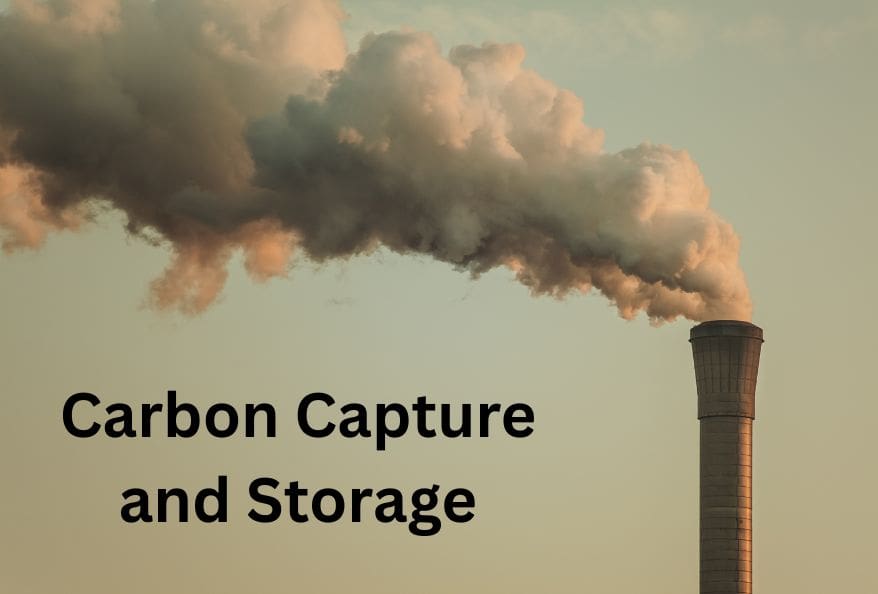
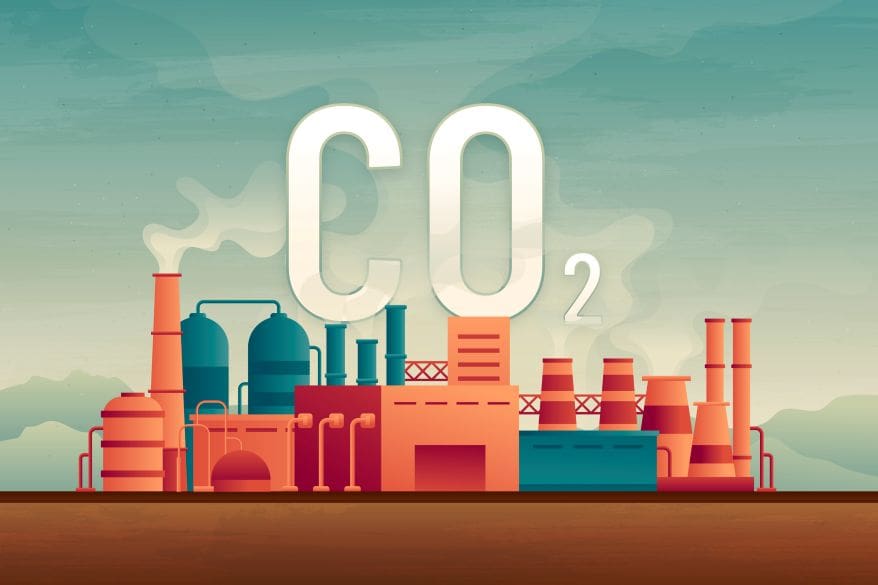
Direct Air Capture technology has reached a new level of efficiency. These machines pull carbon dioxide straight from the sky. At the present time, new filters catch more gas with less energy. As a result, we can lower global temperatures more quickly. While it may be true that trees do this naturally, DAC helps on a massive scale. After that, the captured carbon is stored safely underground. This process is vital for reaching net-zero goals.
AI-Driven Waste Management in Smart Cities
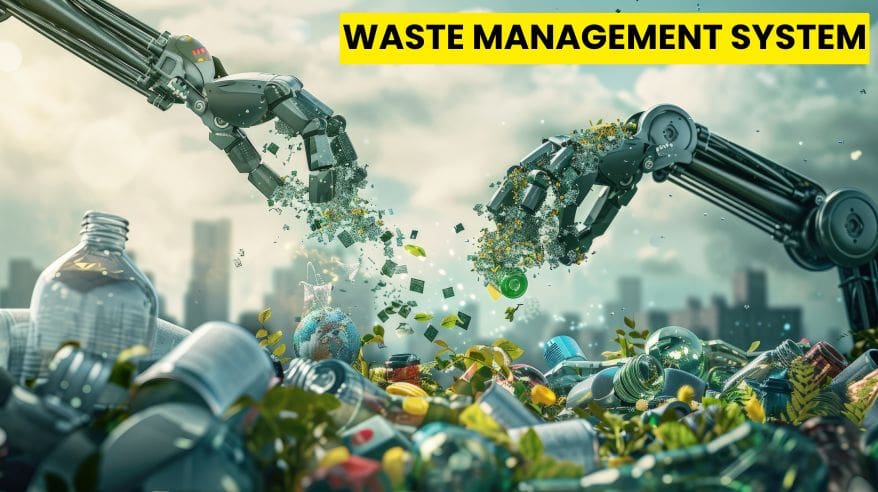
Artificial Intelligence is now cleaning our cities. Smart sensors in bins tell trucks when they are full. To illustrate, this reduces fuel use by trash collectors. AI also sorts recyclable materials better than humans can. As a matter of fact, it identifies plastic, metal, and paper in seconds. With this in mind, cities are becoming much cleaner. To sum up, AI turns waste into a valuable resource for the circular economy.
The Rise of Perovskite Solar Cells
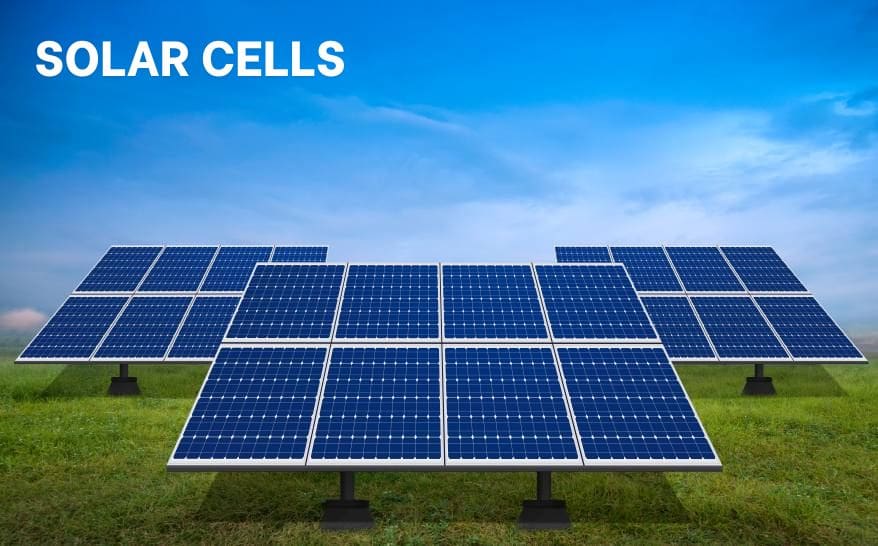
Solar energy is getting a massive upgrade. Perovskite solar cells are replacing old silicon panels. These cells are thinner and much cheaper to make. To point out, they also work well in low light. Another key point is their flexibility. You can wrap them around buildings or cars. In light of these facts, renewable energy is becoming accessible to everyone. All in all, this innovation speeds up the shift away from fossil fuels.
Advanced Lithium-Ion Battery Recycling
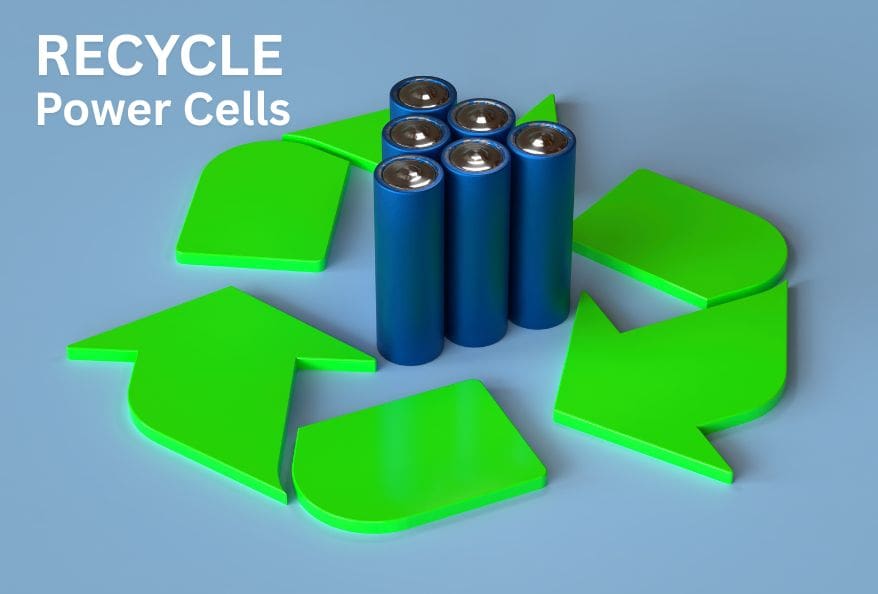
We need many batteries for electric vehicles. However, mining for materials hurts the earth. At this point, new recycling technologies solve the problem. Scientists have found ways to recover 95% of lithium and cobalt. To repeat, we do not need to mine as much anymore. This creates a closed loop for energy storage. So far, this method saves money and protects biodiversity. In short, recycling is the heart of green transport.
Smart Sensors for Global Water Conservation
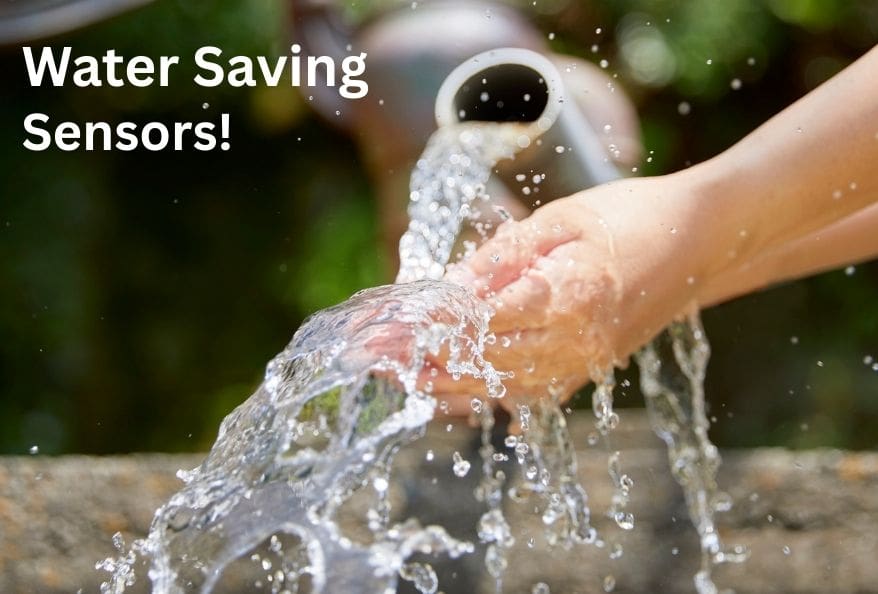
Water is our most precious resource. New smart sensors now find leaks in city pipes instantly. Prior to this, millions of gallons were lost every day. At the same time, farmers use these sensors to water crops perfectly. They only use what the soil needs. To be sure, this prevents water scarcity in dry regions. With this intention, we are securing a future where everyone has clean water.
Novel PFAS Treatment Technologies
PFAS are known as “forever chemicals.” They stay in our water and blood for years. Scientists in 2025 developed new ways to break them down. Using specialized electrochemical oxidation, they destroy these tough bonds. As an illustration, water becomes safe to drink again. Analogous to a deep clean, this tech removes toxins at the molecular level. For the most part, this discovery protects human health and wildlife.
Long-Duration Energy Storage (LDES)
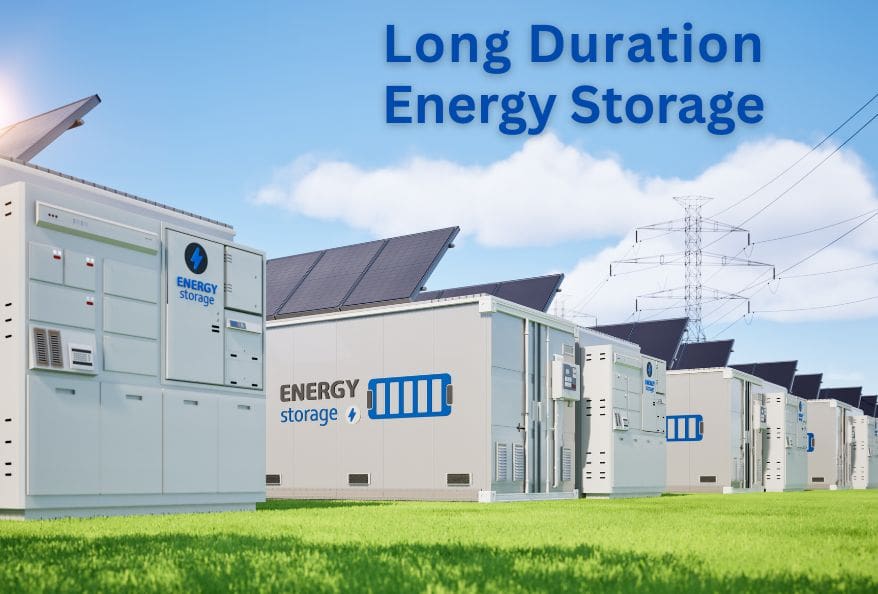
Wind and sun do not provide power all the time. Long-duration energy storage fixes this gap. New batteries can store energy for days or weeks. Take the case of iron-air batteries. They are cheap and hold a charge for a long time. In essence, the power grid stays stable even without wind. To that end, we can rely 100% on green energy. After all, storage is the key to a fossil-free world.
Digital Nature Tools for Biodiversity
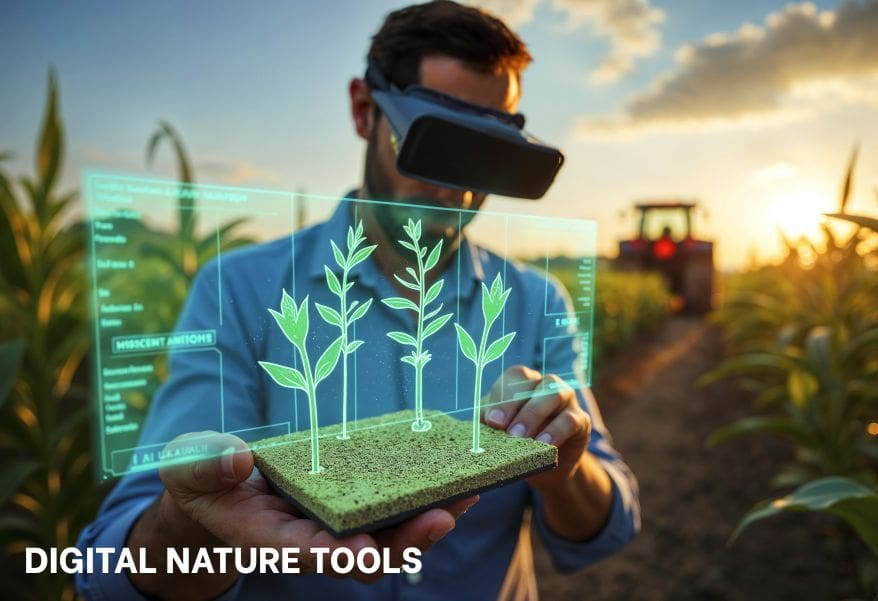
We must track animals and plants to save them. Digital nature tools use satellites and drones to monitor forests. To list, they track endangered species and illegal logging. At length, these tools provide a live map of the world’s health. Seeing that we can see changes instantly, we can act faster. Balanced against old methods, digital tools are far more accurate. In reality, data is saving the ecosystem.
Carbon Capture, Utilization, and Storage (CCUS)
Capturing carbon is good, but using it is better. Innovation in CCUS turns CO2 into useful products. For example, companies now turn captured carbon into green concrete. In similar fashion, it can become fuel for airplanes. What’s more, this makes carbon capture profitable for businesses. With this purpose in mind, the industry is growing fast. To put it differently, we are turning a waste gas into a tool for building.
Lead-Tolerant Sentinel Species
In cities like New Orleans, lead pollution is a major issue. Researchers found specific plants and fungi that thrive in polluted soil. These sentinel species act as natural alarms. By all means, they show us where the soil is dangerous. Together with cleanup efforts, they help restore urban land. In this case, nature provides the map for its own healing. Summing up, these species are vital for environmental justice.
Top 10 Environmental Sciences Discoveries and Innovations in 2025: Conclusion
The discoveries of 2025 show great hope. From AI to new batteries, we have the tools to change. While this may be true, we must continue to support science. All things considered, these innovations will lead us to a sustainable future. At last, we are learning to live in harmony with the Earth.