Smart water sensors use real-time data and behavioral insights to cut waste, monitor usage patterns, send timely alerts, and promote sustainable water use for long-term security.
Smart Sensors for Saving Water Every Day
Estimated reading time: 3 minutes
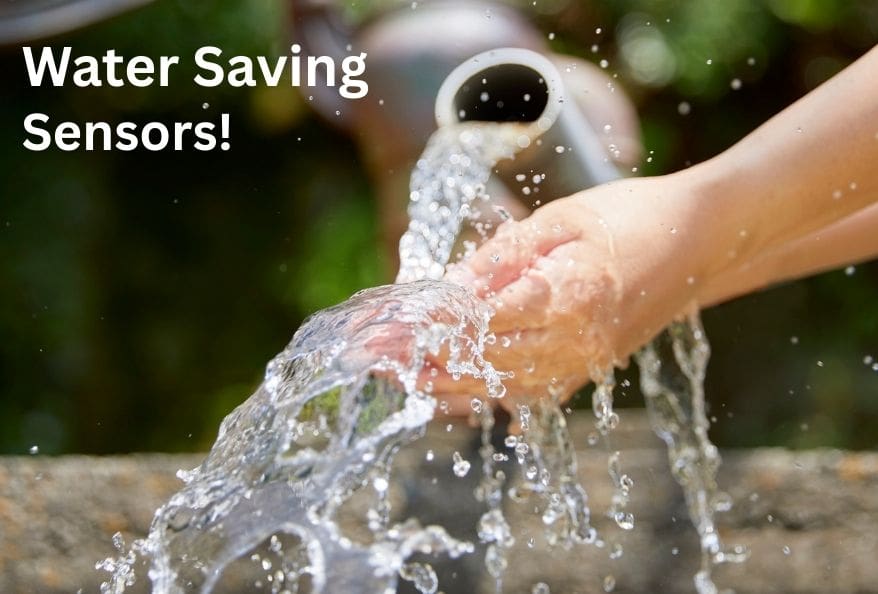
Smart sensors are changing how we use water. Smart sensors for saving water use real-time feedback technology. This helps cities and homes reduce waste. It uses sensor-based systems to track water flow and usage. As a result, it monitors every water fixture and studies usage patterns. The system uses information theory and behavioral science to guide human choices. It can send alerts when usage gets high, helping people fix habits in time. Therefore, it supports sustainable water conservation and helps fight scarcity. In short, this innovation works to ensure long-term water security.
A research team from IIT Jodhpur created this solution. Manoj Kumar Jindal led the work with Pradip Kumar Tewari, Vikky Anand, and Uthukotasriram Abhishek. And published it under the title “A sustainable future: the impact of real-time feedback systems on water conservation efforts” in June 2025.
ENTECH STEM Magazine has included this research in the Top 10 Environmental Sciences Discoveries and Innovations in 2025.
Their goal was simple: make sustainable drinking water systems smarter and user-friendly. They used the Theory of Planned Behavior to understand water habits. By studying usage, they help people adapt and reduce waste. Thus, their research supports Sustainable Development Goals (SDGs) and global conservation efforts.
Smart Sensors for Saving Water in Your Home
This system also helps in daily life. It shows real-time usage and gives instant feedback. As a result, it guides users to make better decisions. You can see daily water consumption and get reminder messages to save water. The system encourages simple habits such as turning off taps early or fixing leaks. Over time, these small actions create big changes. Thus, it prevents overuse, protects water sources, and helps cities maintain balance. With smart feedback, every home can join the SDG mission for clean water.
Market Readiness and Challenges
- The feasibility of this system is high.
- It uses advanced sensors and real-time analytics compatible with current water networks.
- Its energy-efficient design makes it suitable for integration into urban systems.
However, some challenges remain. Cost, data privacy, and long-term maintenance need careful checks. The team continues testing for sustainability and commercial readiness. Even so, the system already meets SDG Goal 11 for sustainable cities. Industries can use it to monitor usage and plan supply effectively.
Future Paths in Sustainable Water Conservation
This project opens new educational and career opportunities for students. They can study sensor technology, behavioral science, and sustainability. These fields support smart infrastructure and climate resilience. Students may also explore information processing, data privacy, and AI-enabled water systems. By learning these skills, future engineers and scientists can design real-time water feedback networks that make a real difference. Hence, youth can play a key role in achieving global water security.
Additionally, to stay updated with the latest developments in STEM research, visit ENTECH Online. Basically, this is our digital magazine for science, technology, engineering, and mathematics. Also, at ENTECH Online, you’ll find a wealth of information.
Reference
Jindal, M. K., Tewari, P. K., Anand, V., & Abhishek, U. (2025). A sustainable future: the impact of real-time feedback systems on water conservation efforts. RSC Sustainability, 3(7), 2863–2869. https://doi.org/10.1039/d5su00081e
- Author
- Latest Posts

Ashwini Kshirsagar holds a graduate degree in Chemistry and a postgraduate degree in Environmental Science from Shivaji University, Kolhapur. With a strong foundation in scientific principles and a creative flair, she blends her expertise in environmental science with skills in technical writing, graphic design, and video editing. Proficient in Adobe software, Ashwini excels at transforming complex scientific concepts into clear, engaging, and visually compelling content. Her unique ability to merge science and storytelling allows her to create impactful communication materials that are both informative and accessible to a wide audience.