
Category: Top 10 Environmental Sciences Discoveries and Innovations in 2025









Top 10 Environmental Sciences Discoveries and Innovations in 2025
At the present time, environmental science is advancing at a rapid pace. In 2025, ten major discoveries and innovations are shaping a cleaner, safer world. To enumerate, these breakthroughs address climate change, pollution, energy, and biodiversity. In short, each innovation brings hope for a sustainable future.
At first, direct air capture technologies are making headlines. These systems remove carbon dioxide directly from the atmosphere. With this intention, they help reduce greenhouse gas levels. In effect, this technology supports global climate goals. To put it another way, it is a vital tool for net-zero targets.
Another key point is AI-based waste management. In smart cities, artificial intelligence sorts and processes waste efficiently. As a result, recycling rates increase and landfill use drops. To illustrate, sensors and data analytics optimize collection routes. In like manner, cities become cleaner and more sustainable.
Perovskite solar cells are revolutionizing renewable energy. In contrast to traditional panels, these cells are lightweight and flexible. At this time, they offer higher efficiency at lower costs. With attention to, perovskite technology is driving a new energy revolution. In sum, solar power becomes more accessible worldwide.
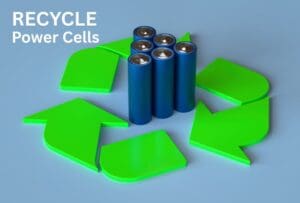
Lithium-ion battery recycling is another breakthrough. To explain, new methods recover valuable metals from used batteries. In similar fashion, this reduces mining and environmental harm. At the same time, recycled materials support the growing electric vehicle market. In essence, battery recycling closes the loop for clean energy.
Smart sensors are saving water every day. These devices monitor leaks and usage in real time. With this purpose in mind, they help households and industries cut waste. To point out, water conservation is crucial in drought-prone regions. In effect, smart sensors protect this precious resource.
PFAS water treatment technologies are tackling a major pollution issue. PFAS chemicals, known as “forever chemicals,” contaminate water supplies. At this instant, advanced filters and absorbents remove PFAS from drinking water. In reality, these solutions protect public health and ecosystems.
Long-duration energy storage is stabilizing power grids. To put it differently, new batteries and storage systems keep renewable energy available day and night. As a result, wind and solar power become more reliable. In due time, this innovation will support a carbon-free grid.
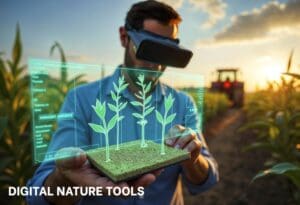
Digital nature tools are helping scientists track and protect biodiversity. For the purpose of conservation, these tools use drones, sensors, and AI. In detail, they monitor animal populations and habitats. With this in mind, conservationists can act quickly to prevent species loss.
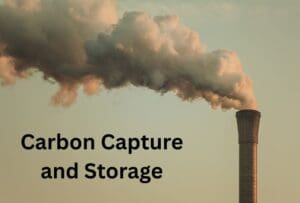
Carbon capture, utilization, and storage (CCUS) is advancing rapidly. In effect, CCUS captures emissions from factories and power plants. After that, the carbon is stored underground or used in products. To sum up, this technology is essential for industries that are hard to decarbonize.
At last, lead-tolerant sentinel species are being used in New Orleans. These organisms survive in polluted environments and signal contamination. In like fashion, they help scientists monitor and manage urban pollution. To explain, sentinel species provide early warnings for public health.
All things considered, these ten discoveries and innovations are changing environmental science. In general, they offer practical solutions to urgent global problems. With this in mind, 2025 stands out as a year of hope and progress. In conclusion, these advances bring us closer to a cleaner, healthier planet for all.