Researchers now explore direct recycling methods that allow battery components to be reused with minimal processing.
Lithium-Ion Battery Recycling Technologies: Innovative Solutions
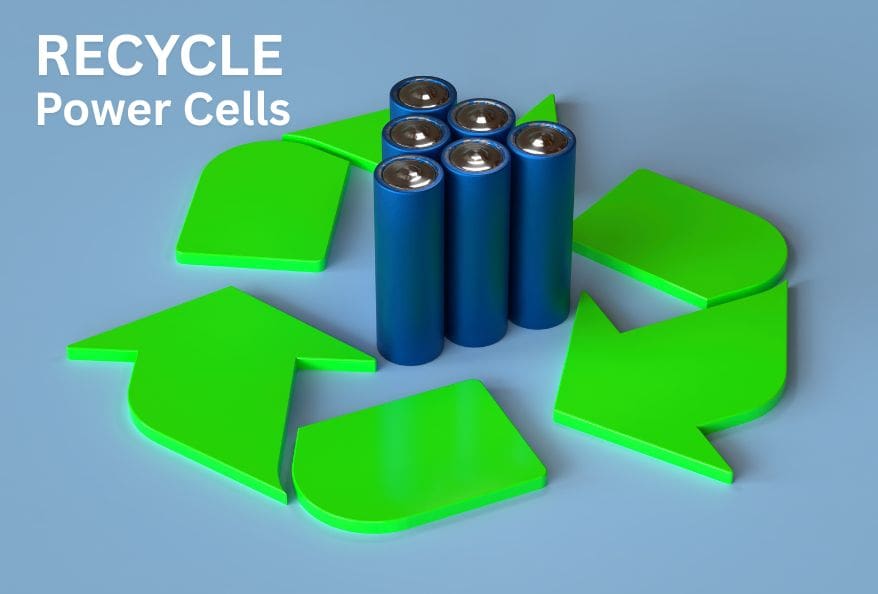
Estimated reading time: 3 minutes
The global rise in electric vehicles and renewable energy systems has increased demand for lithium‑ion batteries. These batteries are vital for modern energy storage, but their rapid growth also creates significant recycling challenges. Most current Lithium-Ion Battery Recycling Technologies struggle to recover valuable metals effectively, leaving waste and environmental risks behind. Experts now argue that recycling must evolve from simple material recovery to sophisticated resource management that supports sustainability and supply security.
Leading innovators in this field include Jaime Chacana-Olivares, Begoña Peceño, Mario Grageda, Constanza Cruz, and Luis Rojas. Together, they develop methods that recover valuable materials efficiently while reducing environmental impact. Therefore, lithium-ion battery recycling technologies are becoming central to circular economy goals and resource management.
ENTECH STEM Magazine has included this research in the Top 10 Environmental Sciences Discoveries and Innovations in 2025
Transforming Batteries Into Reusable Resources
Lithium-ion battery recycling technologies aim to turn waste into reusable materials. For example, direct recycling preserves electrode structure so components can be reused with minimal processing. At the same time, bioleaching uses microorganisms to extract lithium, cobalt, and nickel safely. Moreover, ultrasound-assisted leaching cleans and separates electrode particles using sound waves. As a result, these methods save energy, improve material quality, and reduce environmental damage.
In addition, eco-design is emerging as a complementary approach. By designing batteries for easy disassembly, manufacturers simplify recycling processes and improve overall efficiency. Consequently, recycled materials can re-enter production cycles, reducing dependence on primary mining and supporting sustainable manufacturing.
Practical Applications in Industry and Energy Systems
Battery recycling technologies impact electric vehicles, grid storage, and consumer electronics. For instance, recovering lithium and cobalt stabilizes supply chains and reduces raw material costs. Moreover, municipalities and recycling plants can safely handle spent batteries while returning critical materials to manufacturers. As a result, recycling lowers the environmental footprint and contributes to cleaner energy systems. In addition, these technologies handle diverse battery chemistries, including NMC and LFP cells. Therefore, they recover high-value metals efficiently and extend the lifespan of existing materials.
Overcoming Barriers to Large-Scale Deployment
Despite progress, lithium-ion battery recycling faces challenges. For example, high processing costs and specialized infrastructure limit large-scale adoption. In addition, regulatory uncertainty slows the deployment of advanced methods. However, pilot projects demonstrate that integrated systems combining direct recycling, bioleaching, and ultrasound leaching are feasible. Moreover, policy support and industrial collaboration can scale up operations and reduce costs. Ultimately, overcoming these challenges is essential to ensure that battery recycling technologies meet growing global demand and sustainability standards.
Research Opportunities and Career Paths
Battery recycling offers diverse opportunities for students and researchers. For instance, chemical engineers can optimize leaching and recovery processes. Meanwhile, materials scientists can develop recyclable electrodes that maintain performance. Additionally, environmental engineers can evaluate lifecycle impacts and improve sustainability practices. Research in policy, supply chain management, and economics addresses systemic barriers to effective recycling. As a result, future experts will play a crucial role in scaling technologies and creating circular energy systems.
The Future of Lithium-Ion Battery Recycling
Integrated lithium-ion battery recycling technologies are key to a sustainable energy future. For example, combining direct recycling, bioleaching, and ultrasound-assisted methods improves efficiency and environmental performance. Moreover, continued research on scalable systems and eco-design principles will support circular economy goals.
Ultimately, innovations led by experts like Chacana-Olivares, Peceño, Grageda, Cruz, and Rojas guide strategies that reduce environmental risks, secure critical resources, and enable cleaner energy systems worldwide.ether, they develop methods that recover valuable materials efficiently while reducing environmental impact. Therefore, lithium-ion battery recycling technologies are becoming central to circular economy goals and resource management.
Additionally, to stay updated with the latest developments in STEM research, visit ENTECH Online. Basically, this is our digital magazine for science, technology, engineering, and mathematics. Also, at ENTECH Online, you’ll find a wealth of information.
Reference
Chacana-Olivares, J., Peceño, B., Grageda, M., Cruz, C., & Rojas, L. (2025). Lithium-ion battery recycling: a perspective on key challenges and opportunities. Npj Materials Sustainability, 3(1). https://doi.org/10.1038/s44296-025-00083-7
- Author
- Latest Posts

Ashwini Kshirsagar holds a graduate degree in Chemistry and a postgraduate degree in Environmental Science from Shivaji University, Kolhapur. With a strong foundation in scientific principles and a creative flair, she blends her expertise in environmental science with skills in technical writing, graphic design, and video editing. Proficient in Adobe software, Ashwini excels at transforming complex scientific concepts into clear, engaging, and visually compelling content. Her unique ability to merge science and storytelling allows her to create impactful communication materials that are both informative and accessible to a wide audience.