Scientists have discovered an incredibly rare blood group, named CRIB, in a 38-year-old woman from near Bengaluru, India.
World’s Rarest Blood Group Discovered!
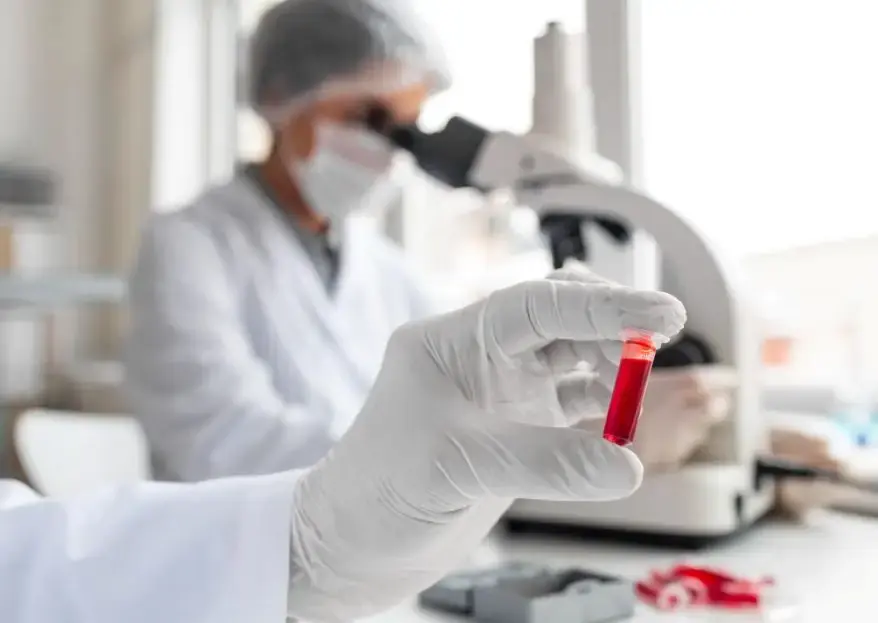
Recently, scientists made an extraordinary discovery that could change the future of medicine. Researchers identified a new blood group, named CRIB, in a 38-year-old woman from Kolar district, Karnataka, India. What makes this finding even more remarkable is that it has global implications in the fields of transfusion medicine and rare blood group research.
What Makes CRIB Unique?
The name CRIB stands for Chromosome Region Identified as Blood group. Unlike other well-known blood groups like ABO or Rh, CRIB represents a unique category within the INRA (Indian Rare Antigen) blood group system. It was officially recognized by the International Society of Blood Transfusion (ISBT) in 2022. Those with this rare blood type lack a common high-prevalence antigen found in most people, making finding compatible donors extremely challenging.
After nearly ten months of thorough research and molecular testing, scientists identified a new antigen within the Cromer blood group system—the CRIB antigen. This breakthrough is significant because it enhances our knowledge about rare blood types while also contributing to global safety in transfusion practices.
Why is This Important?
The discovery of the CRIB blood group is incredibly significant because it enhances our understanding of human immunology. Particularly in cases involving Hemolytic Disease of the Fetus and Newborn (HDFN), knowing a mother’s CRIB status can lead to better prenatal care. Thus, reducing risks associated with pregnancy complications.
The Journey to Discovery
The journey began when the patient required cardiac surgery. Her blood type was found incompatible with all available O-positive donor units, despite her being labeled as O Rh+. This baffling scenario prompted medical professionals to escalate the case to experts at the Rotary Bangalore TTK Blood Centre. Later, to the International Blood Group Reference Laboratory (IBGRL) in the UK.
With advanced serological testing, doctors discovered that her blood was “panreactive,” meaning it reacted with every tested sample. After checking for compatibility among her family members and finding no matches, researchers confirmed they were dealing with a rare or unidentified blood antigen.
The CRIB Antigen: A Global First
After meticulous research, scientists identified a new antigen within the Cromer (CR) blood group system. This antigen, named CRIB (CR for Cromer and IB for India, Bangalore), marks the first-ever discovery of its kind. This exciting development is significant because it significantly impacts the field of immunohematology.
Improving Transfusion Safety and Organ Transplants
The discovery of CRIB has far-reaching consequences. Firstly, it strengthens transfusion safety by improving compatibility testing. Secondly, it enhances donor matching for future medical emergencies. Furthermore, this breakthrough will improve organ transplantation procedures, minimizing the risks associated with incompatible blood types. This ultimately saves lives.
Next Steps for Research
As scientists continue to study this fascinating phenomenon, there are calls for developing specific tests targeted at identifying CRIB carriers early on. The Rotary Bangalore TTK Blood Centre has teamed up with various organizations to create a Rare Donor Registry. Thus, ensuring support for individuals with unique blood types.
Additionally, to stay updated with the latest developments in STEM research, visit ENTECH Online. Basically, this is our digital magazine for science, technology, engineering, and mathematics. Furthermore, at ENTECH Online, you’ll find a wealth of information.
Disclaimer: We do not intend this article/blog post to provide professional, technical, or medical advice. Therefore, please consult a healthcare professional before making any changes to your diet or lifestyle. In fact, we only use AI-generated images for illustration and decoration. Their accuracy, quality, and appropriateness can differ. So, users should avoid making decisions or assumptions based only on the text and images.
- Author
- Latest Posts

Neha Adikane holds a Master’s degree in Environmental Science from Pune University, bringing a unique blend of scientific expertise and creative writing skills to her craft. She specializes in creating engaging, insightful, and impactful content across various niches. With a passion for translating complex ideas into simple, relatable narratives, she excels at crafting blogs, articles, website content, and social media posts that captivate readers and drive engagement. Neha’s background in environmental science adds depth to her writing, allowing her to effectively cover topics related to sustainability, eco-awareness, and scientific innovations.