FDA Approves First Once-Weekly Insulin for Type 2 Diabetes in Pediatric Patients
FDA Approves First Once-Weekly Insulin for Type 2 Diabetes

FDA Approves First Once-Weekly Insulin for Type 2 Diabetes in Pediatric Patients
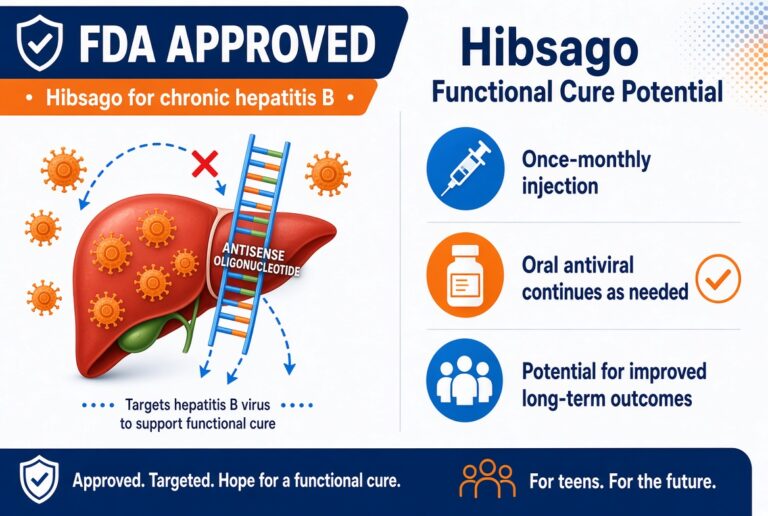
FDA Approves Hibsago (Bepirovirsen) for Chronic Hepatitis B

Expanded Treatment Option for Certain Bladder Cancers

New Nasal Spray Vaccine Could Stop the Next Pandemic

Revolutionizing Cancer Detection with Liquid Biopsies

New Heart Attack Drug Inspired by Spider Venom Aims to Reverse Tissue Damage
Drug discovery connects scientific research with healthcare innovation. It helps researchers investigate new ways to understand diseases and develop potential medicines. Moreover, drug discovery brings together chemistry, biology, biotechnology, and computational science.
At ENTECH Online, we explore drug discovery through educational articles and STEM insights. Our content introduces scientific concepts, research methods, emerging technologies, and pharmaceutical developments. Furthermore, we help students understand how scientists investigate potential treatments.
Drug discovery requires curiosity, careful experimentation, and scientific thinking. Researchers study biological processes to identify opportunities for new medicines. They also investigate how chemical and biological substances interact with living systems.
Drug discovery is the scientific process of identifying potential medicines. Researchers begin by studying diseases and their underlying biological mechanisms. This research helps them identify possible targets for therapeutic development.
However, discovering a promising substance requires extensive investigation. Scientists examine different compounds and study their biological activity. They also investigate how these compounds interact with specific targets.
Researchers use laboratory experiments to collect scientific evidence. These experiments help identify substances with potential therapeutic applications. Nevertheless, early research does not guarantee successful medicine development.
Drug discovery therefore requires several stages of investigation. Each stage helps researchers understand potential benefits and limitations. Together, these activities support pharmaceutical research and innovation.
Target identification represents an important stage in drug discovery. Researchers investigate biological molecules associated with particular diseases. These molecules may include proteins, genes, or other biological components.
Scientists study how these targets influence biological processes. They also examine their relationships with disease development. Consequently, researchers can identify potential opportunities for therapeutic intervention.
Target validation follows the identification process. Scientists investigate whether a selected target has scientific relevance. They examine experimental evidence and evaluate biological responses.
Furthermore, researchers use different laboratory methods during validation. These methods help investigate biological activity and molecular interactions. Therefore, target validation supports informed research decisions.
Drug screening helps researchers identify promising chemical compounds. Scientists examine different substances through laboratory experiments. They investigate whether compounds produce measurable biological responses.
Researchers often use biological assays during screening. These experiments help evaluate interactions between compounds and targets. Additionally, screening methods support comparisons between different substances.
High-throughput screening uses automated systems for experimental testing. These systems allow researchers to examine many compounds efficiently. However, experimental results require careful interpretation and validation.
Scientists also use computational methods during compound discovery. Computer models help researchers investigate molecular structures. They can also support predictions about chemical interactions.
Nevertheless, computational predictions require experimental confirmation. Laboratory studies help researchers evaluate their scientific reliability.
Researchers investigate promising compounds after initial screening. These compounds may become starting points for further development. Scientists then examine their chemical and biological properties.
Lead optimization involves improving selected compound characteristics. Researchers investigate potency, selectivity, and other important properties. They also examine how chemical modifications influence biological activity.
Medicinal chemistry supports these investigations. Scientists study molecular structures and chemical relationships. Furthermore, they investigate how structural changes influence compound behavior.
These activities help researchers understand potential development candidates. However, successful laboratory results require additional investigation.
Pharmaceutical chemistry also examines compound preparation and stability. Researchers investigate impurities and chemical characteristics. Consequently, chemistry supports several important drug discovery decisions.
Biotechnology expands opportunities for pharmaceutical research. Scientists investigate biological molecules and their therapeutic potential. These molecules include proteins, antibodies, and other biological substances.
Researchers also explore genetic information and cellular processes. Such investigations help explain disease mechanisms. Moreover, they support research into innovative therapeutic approaches.
Biotechnology connects drug discovery with molecular biology. Scientists examine biological interactions and cellular responses. They also investigate how different biological systems behave.
Meanwhile, advances in laboratory technology support pharmaceutical research. Modern instruments help scientists analyze complex biological samples. Therefore, biotechnology continues to influence drug discovery.
Artificial intelligence supports several areas of drug discovery. Researchers use computational methods to analyze scientific information. These methods can help investigate chemical structures and biological targets.
Machine learning also supports research data analysis. Scientists examine patterns within experimental datasets. Furthermore, computational tools can help prioritize research questions.
Computer simulations provide additional scientific insights. Researchers investigate molecular interactions and chemical properties. However, simulations cannot replace experimental evidence.
AI therefore supports researchers rather than replacing scientific investigation. Scientists must evaluate computational results carefully. They also need reliable data and appropriate research methods.
Preclinical research examines potential drug candidates before human studies. Researchers investigate biological activity and important safety questions. They also examine how compounds behave within biological systems.
Laboratory studies provide information about potential effects. Researchers investigate absorption, distribution, metabolism, and elimination. These processes help explain how substances behave inside organisms.
Preclinical research also supports decisions about further development. Scientists evaluate experimental findings and identify remaining uncertainties. Consequently, this stage helps researchers assess development opportunities.
However, preclinical findings cannot establish human safety or effectiveness. Further research is necessary before potential medicines reach patients.
Clinical research investigates potential medicines in human participants. Researchers design studies to answer specific scientific questions. They also follow established ethical and regulatory requirements.
Clinical trials examine safety and effectiveness. Different study phases investigate different research objectives. Furthermore, researchers collect and analyze information throughout clinical development.
Regulatory science supports the evaluation of pharmaceutical products. Regulatory authorities review scientific evidence before approval decisions. They also monitor medicines after approval.
These processes help protect participants and patients. Therefore, drug development requires scientific evidence and appropriate oversight.
Drug discovery offers opportunities across several scientific disciplines. Students can explore pharmaceutical research and biotechnology. They can also investigate chemistry, biology, and computational science.
Researchers work in laboratories and research institutions. Pharmaceutical scientists investigate compounds and biological processes. Meanwhile, computational scientists analyze research data.
Other professionals support pharmaceutical development. These roles include analytical chemistry and quality research. Regulatory science also contributes to pharmaceutical development.
Students interested in drug discovery can strengthen their scientific foundations. Chemistry, biology, mathematics, and computer science provide useful knowledge. Additionally, communication and analytical thinking support research activities.
Exploring different scientific careers helps students understand their interests. Educational research can also support future academic decisions.
Drug discovery demonstrates how scientific disciplines work together. Chemistry helps researchers investigate molecular structures. Biology explains interactions between compounds and living systems.
Mathematics supports experimental analysis and scientific modeling. Computer science contributes computational research and data processing. Meanwhile, biotechnology expands opportunities for biological investigation.
Consequently, drug discovery offers valuable connections across STEM education.
At ENTECH Online, students can explore these connections through educational articles. Our content introduces pharmaceutical research and emerging scientific technologies. It also highlights research methods and career opportunities.
Explore drug discovery to understand how scientists investigate potential medicines. Learn about pharmaceutical chemistry, biotechnology, and computational research. Furthermore, discover how scientific innovation contributes to healthcare.
Explore your passion for drug discovery with ENTECH Online.