Imagine sitting in a quiet clinic waiting room after a routine checkup. The doctor walks in and explains that a blood test revealed a liver virus. It has been silently living in your body for years. You quickly learn that millions of people take a pill every single morning for decades. This daily routine keeps the virus from slowly damaging their liver. For these patients, the hepatitis B treatment routine has long been a frustrating reality. Some patients constantly worry about long-term side effects. Others simply get exhausted by the relentless daily reminder of their condition.
However, a major shift in the medical landscape occurred recently. On October 20, 2026, the U.S. Food and Drug Administration officially approved Hibsago (bepirovirsen). This new hepatitis B treatment is specifically designed for certain adults living with chronic hepatitis B. This landmark FDA approval marks the very first antisense oligonucleotide cleared for this virus. It represents a significant step toward a potential hepatitis B cure for a specific group of patients. The approval has generated significant excitement among hepatologists and infectious disease specialists.
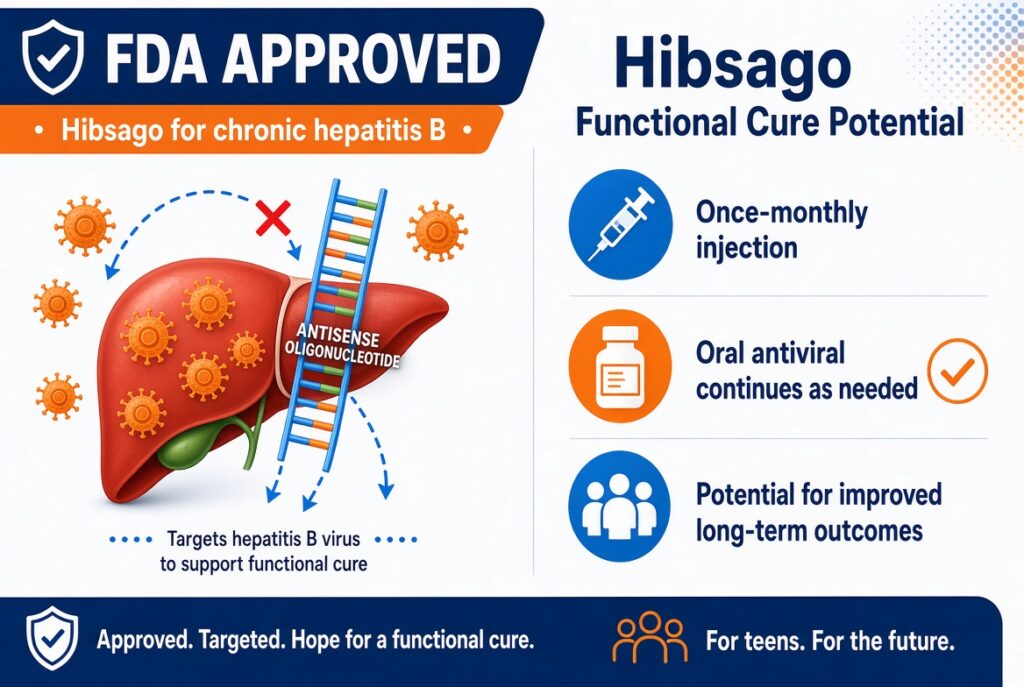
Fig. 1: Silencing viral genes via subcutaneous injection, helping the immune system regain control over Hepatitis B.
For people who have successfully taken daily antiviral treatment for years, this newly approved option may finally offer a realistic chance to stop medication altogether. They can potentially keep the virus under control without the burden of daily pills. This breakthrough does not just change the standard of care. It changes the daily lives of patients who have been waiting for a more manageable, finite option. It brings a renewed sense of hope to a field where functional cures have historically been incredibly rare. Patients who have spent years planning their lives around pill schedules now have a genuine reason to talk to their doctors.
What Hibsago Does and Who Qualifies for Hepatitis B Treatment
Hibsago is administered as a subcutaneous injection. This means it is given just under the skin rather than through a lengthy intravenous infusion. The drug works by targeting the virus’s genetic instructions. This effectively reduces viral replication and lowers hepatitis B surface antigen (HBsAg) levels in the body. It works fundamentally differently from the standard antiviral treatment used for decades. By silencing the viral genes, it aims to give the immune system a chance to regain control over the infection. This mechanism of action distinguishes it from traditional nucleoside analogues.
The FDA approved Hibsago specifically for adults without cirrhosis who meet a strict set of medical criteria. First, patients must have already taken standard antiviral treatment for at least six months. Second, they must show suppressed virus levels on their blood tests. Finally, they must have HBsAg levels of 3,000 IU/mL or less. A Roche companion diagnostic helps doctors select and closely monitor patients throughout the process. This ensures that only those most likely to benefit receive the therapy.
Fig. 2: Hibsago: A new approach to Hepatitis B treatment via viral gene silencing.
The FDA granted Hibsago Fast Track, Breakthrough Therapy, and Priority Review designations. This highlights the urgent need for new treatment options in this field. These designations are reserved for drugs that treat serious conditions and fill an unmet medical need. The approval process moved quickly because the clinical data demonstrated a clear benefit over existing therapies. For patients and physicians alike, these designations signal that the regulatory agency understands the severity of the disease. It also shows they understand the limitations of current long-term treatment strategies.
Clinical Trial Results: Hope for a Cure
In two large placebo-controlled trials, patients received Hibsago for up to 24 weeks. They took it alongside their standard antiviral treatment. The results showed highly promising data regarding the drug’s ability to control the virus. Approximately 24% of Hibsago recipients met the criteria to stop their regular medicine entirely. In comparison, 0% of those in the placebo group met this goal. This stark difference proved that the drug was actively working in a significant portion of the trial participants. The trial design was rigorous, with patients monitored closely for extended periods after stopping.
Furthermore, 19% of patients maintained virus control with no detectable HBsAg 24 weeks after stopping all treatment. This means that nearly one in five patients achieved a functional cure. They kept the virus quiet even after all medications were stopped. This is a clear and impressive advance over standard care. Currently, hepatitis B cure rates remain near zero after one year of standard treatment. The FDA reviewed the totality of the evidence and granted approval after a priority review process.
The trial also showed improvements in secondary endpoints, including markers of liver inflammation. Researchers noted that patients who achieved a functional cure had a significantly lower risk of long-term liver complications. These findings suggest that the benefits of Hibsago extend beyond simply stopping daily medication. They may also translate into improved long-term liver health outcomes. For patients who have lived with the fear of cirrhosis or liver cancer, this data offers a meaningful layer of reassurance. It suggests the treatment could have lasting protective effects.
Safety Warnings and Side Effects
While the approval is a massive step forward, Hibsago does carry a boxed warning. This warns of serious liver reactions and low platelet counts that can raise bleeding risk. Additional warnings cover kidney function changes, inflammatory reactions, and general injection risks. These warnings mean that patients must be carefully monitored by their healthcare providers. This ensures the drug remains safe and effective throughout the entire treatment course. Blood tests to monitor liver enzymes are a standard part of the protocol. This allows doctors to catch any potential issues early.
Common side effects include injection-site reactions, fever, fatigue, and headache. These are generally manageable for most patients. Because of these potential issues, patients need regular blood tests and doctor visits. Most side effects reported in the trials were mild to moderate in severity. They resolved without long-term complications. Patients who experience more serious reactions may need to pause treatment or adjust their dosing schedule. This is why ongoing medical supervision is essential throughout the entire course of therapy.
Wendy Carter, DO, Acting Director of the Office of Infectious Diseases at the FDA, noted the significance of the approval. She stated that the FDA approval gives some patients the possibility of maintaining control. This occurs after chronic hepatitis B treatment ends. The approval went to GSK plc, marking a significant milestone for their infectious disease portfolio. For the company, this approval represents years of research and development. It also positions GSK as a leader in the emerging field of nucleic acid-based therapies.
Why This Matters for Students and Early Careers
New hepatitis B treatment options like Hibsago create real jobs in biotechnology careers. Companies need molecular biologists to study how antisense oligonucleotides silence viral genes. They also require clinical research coordinators to run the complex patient studies. Data analysts and bioinformatics experts are also in high demand. They help track large trial datasets and identify meaningful trends. These roles span the entire drug development lifecycle, from early discovery research to post-market surveillance.
If you like biology and problem-solving, start with high-school chemistry, biology, and math. College paths often include biochemistry, molecular biology, or biomedical engineering. Internships at biotech companies or hospital research labs give students hands-on experience. Entry-level lab technician or clinical trial assistant roles can open doors while you finish a degree. Demand stays strong because chronic infections affect millions of people worldwide. Regulatory affairs positions also value a strong science background combined with clear writing skills.
This FDA approval doesn’t replace existing antiviral treatment for everyone. It is also not a guaranteed cure for all patients. Instead, it adds a finite-treatment option for a highly defined group of adults. Researchers will keep studying long-term outcomes and ways to help more patients. For teens interested in health science, it is a clear example of how lab discoveries move into clinics. Watching a drug move from the research bench to FDA approval is highly rewarding. This approval is a perfect example of that journey.
Mohammed Aftab is a Science Communicator at ENTECH STEM Magazine and a Doctor of Pharmacy (Pharm.D) graduate with a strong interest in pharmaceutical sciences, medicine, and public science education. His areas of interest include pharmacology, pharmacotherapeutics, clinical pharmacy, clinical research, rational drug use, evidence-based medicine, medication safety, and medication errors. His research focuses on assessing intravenous-to-oral drug switching practices in a tertiary-care teaching hospital, reflecting his interest in appropriate medication use and evidence-based healthcare.
Aftab specializes in explaining complex medical and pharmaceutical concepts in simple, clear, and easy-to-understand language. Using relatable everyday examples and practical analogies, he helps teenagers and the general public understand medicines, how drugs work in the body, common health conditions, and the science behind medical treatments. Through his work at ENTECH STEM Magazine, he aims to bridge the gap between scientific knowledge and public understanding, making reliable medical and scientific information engaging, accessible, and relevant to everyday life.