The Role of Augmented Reality in Modern Marketing Strategies in 2026
Worldwide AR advertising spending will reach $28 billion in 2026
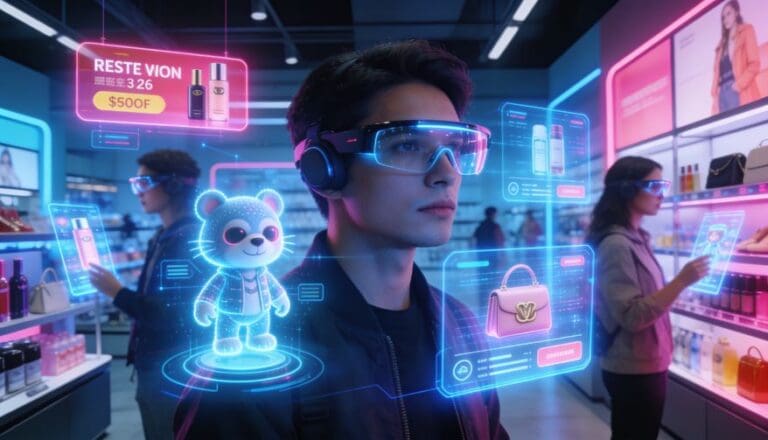
The Role of Augmented Reality in Modern Marketing Strategies in 2026
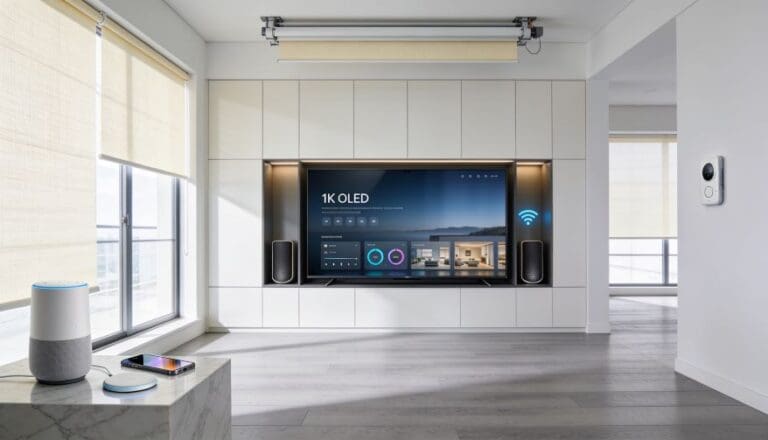
A Beginner’s Guide to Building a Smart Home System in 2026

Ultimate Guide to AR VR in Real Estate
Augmented Reality (AR) and Virtual Reality (VR) are changing how people design, visualise, plan, and experience buildings. These immersive technologies connect digital models with physical environments or create interactive virtual spaces. As a result, they offer new ways to explore properties, review architectural designs, and manage construction projects.
AR overlays digital information onto the real world, allowing users to view virtual objects, models, and design elements within their physical surroundings. In contrast, VR creates computer-generated environments that users can explore through compatible headsets and other devices.
AR/VR in real estate and construction has applications throughout the building lifecycle. These include property marketing, architectural visualisation, interior design, construction planning, workforce training, and building maintenance.
At ENTECH Magazine, this category explores the technologies, engineering developments, and practical applications bringing immersive experiences to the built environment.
AR and VR use different technologies to create interactive digital experiences. Both rely on hardware, software, sensors, and 3D content to help users interact with digital environments.
Augmented Reality combines digital content with real-world surroundings. Smartphones, tablets, and specialised AR headsets can display virtual objects, measurements, and architectural models within a physical space.
For example, a property buyer can use an AR application to visualise furniture in an empty room. Similarly, construction professionals can view digital building components overlaid on an actual construction site.
AR systems use cameras, sensors, computer vision, and spatial tracking to understand the surrounding environment. Consequently, they can position digital objects within real-world spaces.
Virtual Reality creates computer-generated environments that users can explore through VR headsets and compatible devices. These environments can represent buildings, apartments, construction sites, or architectural designs.
In real estate, VR allows prospective buyers to explore properties without physically visiting them. Architects can also use virtual environments to review building layouts, lighting, materials, and interior arrangements before construction begins.
Furthermore, VR simulations can support construction training by allowing workers and students to understand different building processes in an interactive environment.
Mixed Reality (MR) combines elements of physical and digital environments. It allows users to interact with virtual objects while remaining aware of their surroundings.
Extended Reality (XR) is a broader term that includes AR, VR, and MR. Together, these technologies provide different ways to visualise and interact with digital information.
The real estate industry increasingly uses immersive technologies to improve property visualisation, communication, and customer experiences. These applications help buyers, sellers, architects, and property developers understand spaces before making important decisions.
Virtual property tours allow potential buyers and tenants to explore properties through digital environments. Users can navigate rooms, examine layouts, and understand the overall space without visiting the physical location.
Moreover, 360-degree photography and interactive VR experiences allow property professionals to present buildings to audiences across different locations.
AR applications help users visualise furniture, lighting, colours, and decorative elements within actual rooms. This allows homeowners and designers to compare different arrangements before making physical changes.
Similarly, VR environments help interior designers create complete digital representations of spaces. Users can explore different materials, layouts, and design concepts before finalising a project.
Architects and property developers use 3D models and immersive environments to present building designs. These visualisations help stakeholders understand architectural layouts, exterior appearances, and interior spaces.
In addition, interactive models make it easier to communicate design changes and compare alternatives during the planning process.
Construction projects involve several stages, from initial planning and design to execution, inspection, and maintenance. AR and VR can support different activities throughout this process.
VR allows project teams to explore digital building models before construction begins. They can review layouts, identify potential design issues, and understand how different building components fit together.
AR can also display architectural and engineering models within physical environments. Therefore, construction professionals can compare planned designs with actual site conditions.
Building Information Modeling (BIM) involves creating digital representations of buildings and their physical and functional characteristics.
Integrating AR/VR with BIM allows project teams to explore building information through interactive visual environments. For example, engineers can examine structural elements, electrical systems, plumbing layouts, and other building components.
Furthermore, BIM-based immersive visualisation can improve communication between architects, engineers, contractors, and project managers.
AR applications can help construction teams compare digital project models with actual site conditions. These comparisons can support inspections, progress monitoring, and the identification of potential differences between planned and completed work.
Similarly, VR environments can recreate construction sequences and project scenarios. This helps teams understand project requirements and evaluate different planning approaches.
Construction environments involve complex equipment, processes, and safety requirements. VR-based training can simulate different workplace situations and allow learners to understand construction procedures in a controlled virtual environment.
For example, training simulations can introduce workers to equipment operation, site navigation, and hazard awareness. As a result, immersive learning can complement conventional classroom and practical training methods.
AR/VR applications depend on several supporting technologies. Their integration helps create more detailed, interactive, and useful digital experiences.
Some important technologies include:
Together, these technologies are expanding the capabilities of AR/VR systems across real estate, architecture, engineering, and construction.
AR/VR in real estate and construction offers several potential benefits. Immersive visualisation can improve communication, help stakeholders understand complex designs, and support better-informed decisions.
These technologies can also help identify design differences before physical execution, support remote property exploration, and provide interactive training experiences.
However, adoption involves certain challenges. High hardware and software costs can make implementation difficult for smaller organisations. In addition, creating detailed 3D models requires technical expertise and accurate project information.
Other considerations include device compatibility, data integration, system performance, user training, and interoperability with existing design and project management tools.
Therefore, organisations must evaluate their requirements and available resources before adopting immersive technologies.
AR/VR technologies continue to evolve alongside developments in artificial intelligence, cloud computing, computer vision, and digital modelling.
AI-assisted design tools are creating new possibilities for interactive architectural visualisation. Meanwhile, digital twins are connecting virtual building models with information from physical assets and connected sensors.
Cloud-based platforms are also making it easier for geographically distributed teams to access and review digital project models. Furthermore, improvements in AR/VR hardware are supporting more detailed visualisation and natural interaction.
These developments could expand the role of immersive technologies in property development, infrastructure projects, building operations, and facility management.
Understanding AR/VR in real estate and construction involves exploring several interconnected fields, including architecture, civil engineering, computer graphics, 3D modelling, robotics, and digital technologies.
ENTECH Magazine brings these subjects together through educational articles, technology explainers, engineering insights, and coverage of emerging innovations. This category explores augmented reality, virtual reality, immersive property tours, architectural visualisation, BIM integration, construction simulations, and digital technologies transforming the built environment.
Whether you are a student exploring architecture and construction technologies, an educator interested in immersive learning, or a technology enthusiast following developments in real estate, these resources offer useful insights into the changing built environment.
Explore our AR/VR in Real Estate and Construction articles to understand how immersive technologies are changing the way buildings are designed, presented, constructed, and experienced.