Introduction: Construction and Demolition Waste Recycling
For me, architecture was never just about designing fancy buildings and making beautiful plans that survive sleepless jury nights. Somewhere during the 3rd year of architecture school, I came across a research topic on Construction and Demolition (C&D) waste, and honestly, that one topic was enough to completely change how I looked at the built environment.
The “why” behind reKraftt
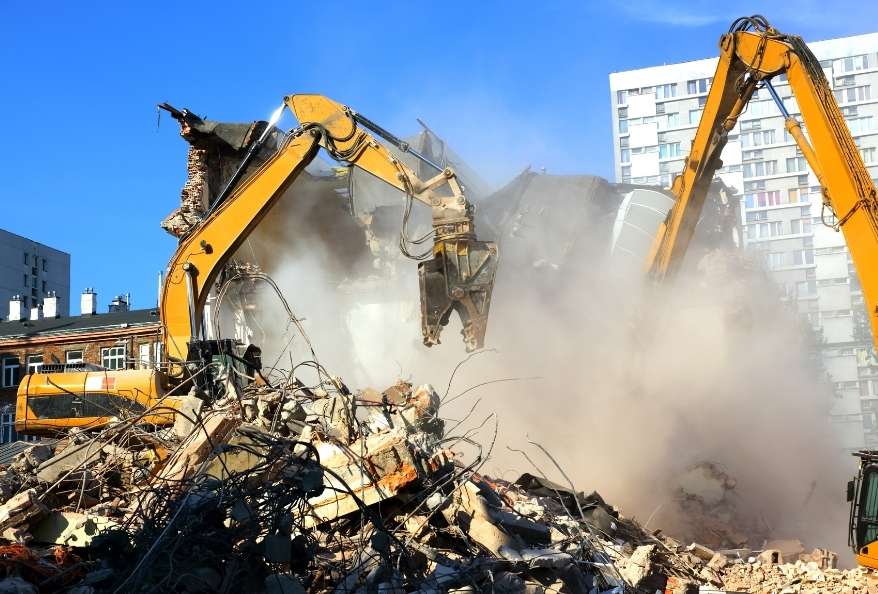
Fig. 1: Demolition
Until then, I never truly questioned where broken concrete, tiles, bricks, debris, and dust went after buildings were demolished. But once I started observing, I realized the scale of the problem was massive. Mountains of waste dumped on fertile land, near rivers, empty plots, and roadsides. Ecosystems silently suffering while we continued extracting more natural resources to make new materials.
That discomfort slowly became reKraftt.
reKraftt exists to explore how construction and demolition waste can be brought back into the loop by recycling, instead of being dumped away and forgotten. It is not just about recycling C&D waste into paver blocks or bricks. It is about awareness, circularity, responsibility and moreover – rethinking what sustainability actually means.
WHEN “WASTE” ISN’T REALLY WASTE
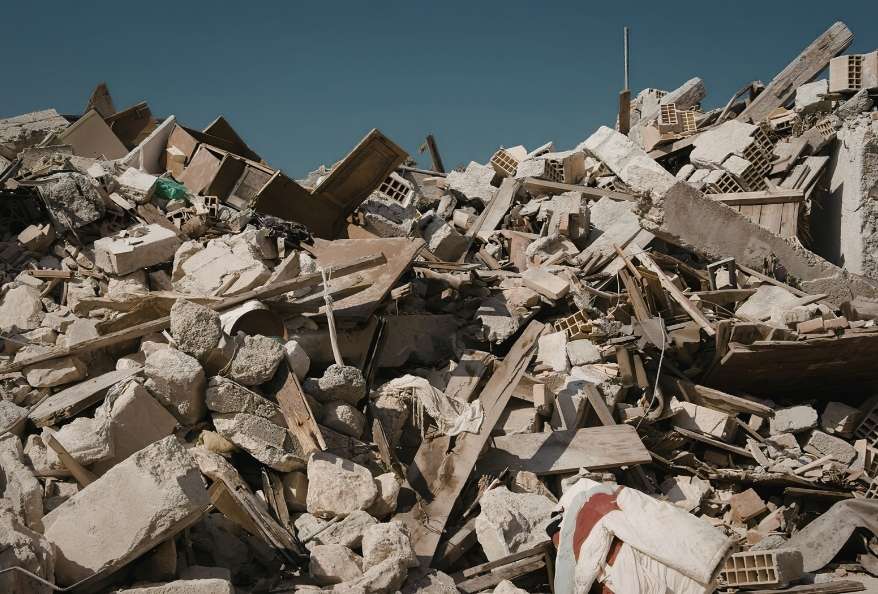
Fig. 2: C&D Waste
Construction and demolition waste includes recycling materials like concrete, bricks, tiles, sand, metal, wood, and plaster generated during construction, renovation, and demolition activities.
Now here’s the scary part: India generates millions of tonnes of C&D waste every year, but a huge portion of it is still dumped illegally or left unmanaged.
And the effects go far beyond what we can immediately see.
Cause respiratory and health issues in nearby communities
and much more…
We often talk about sustainability like it is a trendy Instagram word. But sustainability actually asks one very uncomfortable question:
“How long can we continue taking from nature without giving anything back?”
To make new construction materials, we constantly extract virgin resources like sand, stone aggregates, and minerals. Rivers are mined for sand. Hills are cut for aggregates. Forest systems are disturbed for urban growth. Meanwhile, reusable material is sitting in dump yards.
Sounds slightly ridiculous when you think about it. But that is where circularity comes in.
Circularity means designing systems where waste does not reach an “end.” Instead, it re-enters the ecosystem in another form. In reKraftt’s case, C&D waste is processed and repurposed into products like:
Paver blocks
Unfired bricks
Landscape elements
Pavements
Pathways
Outdoor seating and non-structural installations
Instead of “take → use → dump,” the loop becomes:
collect → process → reuse → return back into the system
CHOICE ARCHITECTURE & COMMUNITY RESPONSIBILITY
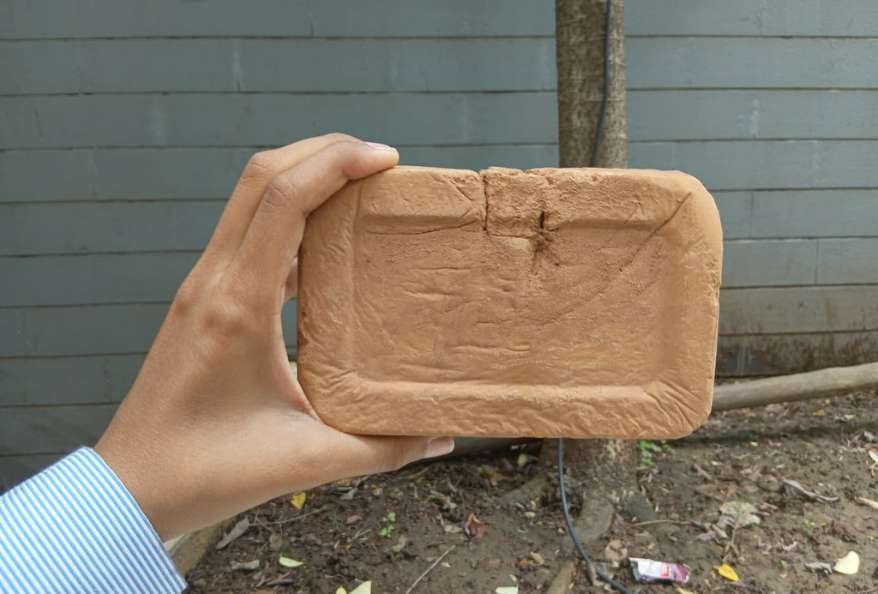
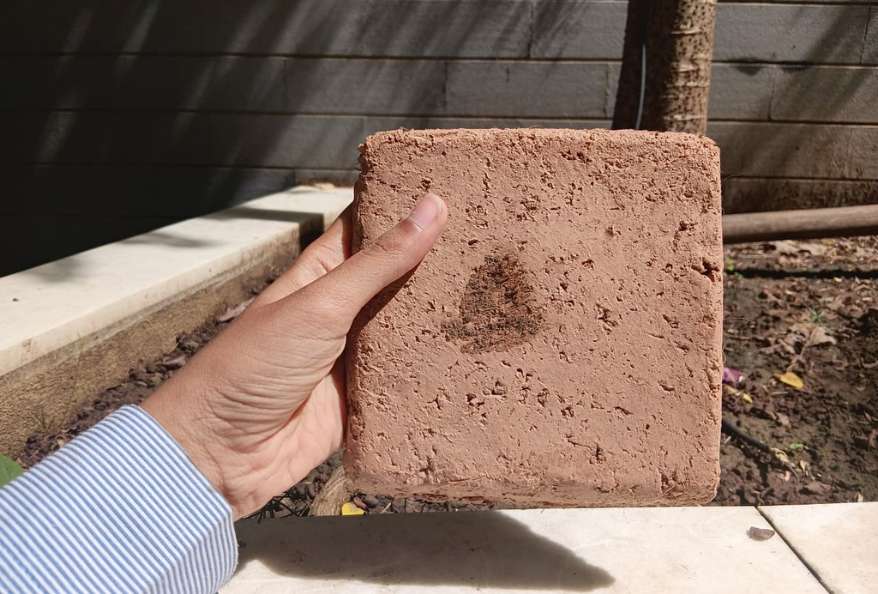
Fig. 3: Sustainable Paver Block and Brick – reKrafft
One concept that deeply influenced me is something called choice architecture. It simply means designing systems in a way that influences better decisions.
Imagine if contractors, architects, and homeowners had easier access to sustainable alternatives. Imagine if dumping waste irresponsibly became harder than responsibly reusing it. Small design decisions and systems can slowly shape larger behaviour.
And honestly, awareness plays a bigger role than we think. Governments alone cannot solve this problem. Communities, architects, builders, stakeholders, and even students have a role to play. Sustainability cannot survive only in reports and speeches. It has to exist in everyday choices.
I’m happy to share that reKraftt is currently in its MVP (Minimum Viable Product) stage.
We have successfully created:
An unfired paver block
An unfired brick using C&D waste
And yes, the process is still experimental.
There were failed mixes, broken samples, dusty balconies turned into mini labs, and moments where nothing worked. But one thing I learned through all this is:
Make it exist first. Improve it later.
Innovation rarely starts in fancy labs. Sometimes it starts with curiosity, a grinder machine, and a slightly confused architecture student trying things out.
CAREER PATH: C&D waste, Recycling and Sustainability
Students interested in STEM can explore material science, environmental engineering, architecture, urban design, sustainability research, and climate innovation.
CONCLUSION: C&D Waste Recycling
reKraftt is not just about waste. It is about questioning systems we normalized for too long.
It is about realizing that architecture is not only about creating buildings, but also about taking responsibility for what happens before and after those buildings exist.
Maybe sustainability is not about being “perfectly green.” Maybe it simply begins with becoming aware.
Because once you become aware, it becomes very difficult to look away.
And maybe the future does not need more waste. Maybe it just needs better systems, better choices, and people willing to rethink what already exists.
REFERENCE:
Elshaboury, N., Al-Sakkaf, A., Abdelkader, E. M., & Alfalah, G. (2022). Construction and Demolition Waste Management Research: A Science Mapping analysis. International Journal of Environmental Research and Public Health, 19(8), 4496. https://doi.org/10.3390/ijerph19084496
Islam, N., Sandanayake, M., Muthukumaran, S., & Navaratna, D. (2024). Review on Sustainable Construction and Demolition Waste Management—Challenges and Research Prospects. Sustainability, 16(8), 3289. https://doi.org/10.3390/su16083289
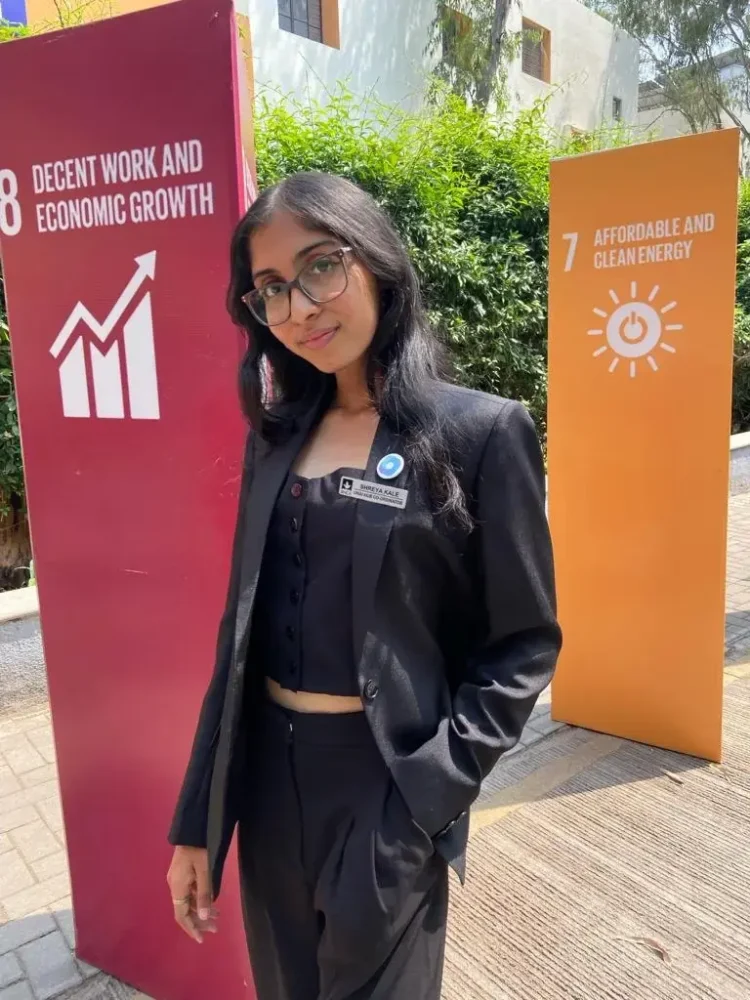
I am a final-year architecture student at Dr. Bhanuben Nanavati College of Architecture, Pune. Alongside my passion for architecture, I have a strong interest in social entrepreneurship, where I aim to make a positive impact through various social initiatives. I actively engage in social work, combining design thinking with a purpose-driven approach to address community needs. Additionally, I express my thoughts and experiences through blogging on Medium, where I share insights on architecture, social change, and personal growth.
I am a final-year architecture student at Dr. Bhanuben Nanavati College of Architecture, Pune. Alongside my passion for architecture, I have a strong interest in social entrepreneurship, where I aim to make a positive impact through various social initiatives. I actively engage in social work, combining design thinking with a purpose-driven approach to address community needs. Additionally, I express my thoughts and experiences through blogging on Medium, where I share insights on architecture, social change, and personal growth.