Although there is an initial cost associated with replacing cabling, there are significant long-term benefits.
How Data Cabling Enhances Cloud Connectivity and Speed
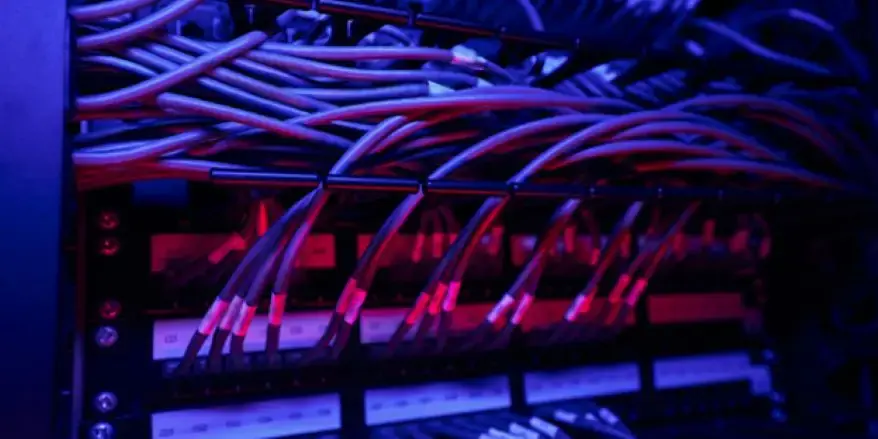
IMAGE SOURCE: Canva
Modern businesses depend on cloud services more than ever, but many don’t realize how much their internet speed depends on the physical cables behind the scenes. When your team can’t access important files or video calls keep freezing, the problem might not be your internet plan – it could be outdated cabling.
Global Internet traffic grew 17.2% in 2024, putting even more pressure on network infrastructure to perform flawlessly. Smart companies are discovering that upgrading their data cabling can dramatically improve their cloud experience, making everything from file uploads to video conferences run smoother and faster.
Understanding Modern Data Cabling Systems
Today’s data cabling goes far beyond the basic phone lines of decades past. These sophisticated systems form the backbone that connects your business to the cloud world.
Structured cabling represents the gold standard for modern business networks. Unlike the messy tangle of cables you might see in older buildings, structured systems organize everything neatly and efficiently. These setups use standardized components that work together seamlessly, making troubleshooting easier and upgrades more straightforward.
Infrastructure Requirements for Cloud Support
Modern cloud computing infrastructure demands cables that can handle massive amounts of data flowing in both directions. The infrastructure needs to support current usage and future growth too. What works for ten employees might buckle under the strain when your team doubles in size. Smart cabling choices today prevent expensive overhauls tomorrow.
Fort Lauderdale’s business district showcases some of the most advanced networking infrastructure in South Florida, with many companies upgrading their systems to support growing cloud demands. Professional data cabling fort lauderdale services has become essential for businesses wanting to compete in today’s digital marketplace, especially as remote work and cloud-based operations continue expanding.
The Connection Between Cabling and Cloud Performance
The relationship between your physical cables and cloud speed isn’t always obvious, but it’s critical for smooth operations.
Speed Optimization
Think of your cabling as the highway system for your data. Just like you can’t drive a sports car at full speed on a dirt road, even the fastest internet connection won’t perform well over outdated cables. High-speed internet solutions require cables that can handle those speeds without creating bottlenecks.
Cat6 cables support speeds up to 1 Gbps, while newer Cat8 cables can handle 25-40 Gbps over shorter distances. The difference becomes noticeable when you’re uploading large files to cloud storage or downloading software updates across multiple devices simultaneously.
Reliability Factors
Business connectivity depends on more than just speed – consistency matters too. Older cables are more prone to signal degradation, electromagnetic interference, and physical damage. When your connection drops during an important video call or file transfer, productivity suffers and frustration builds.
Modern cabling systems include built-in redundancy and error correction. If one pathway experiences problems, data can automatically reroute through alternate channels. This reliability becomes crucial when your entire operation depends on cloud access.
Business Benefits of Upgraded Cabling
Investing in proper cabling infrastructure pays dividends that extend far beyond faster internet speeds.
Cost-Effectiveness
Although there is an initial cost associated with replacing cabling, there are significant long-term benefits. Businesses with outdated systems often compensate by purchasing expensive bandwidth upgrades that don’t solve the underlying problem.
Modern cabling also reduces maintenance costs. Structured cabling systems are easier to troubleshoot, expand, and modify. When you need to add new workstations or relocate departments, the process becomes much simpler and less expensive.
Scalability
Growing businesses need infrastructure that can expand with them. Traditional cabling setups often require complete overhauls when companies outgrow their original capacity. Modern systems allow you to add new connections and increase capacity without starting from scratch.
Fiber optic cabling especially excels at scalability. These cables are built to handle faster speeds, so you can upgrade your network equipment later without needing to replace all the wiring.
Final Thoughts on Cabling and Cloud Performance
As cloud technology advances and internet speeds rise, businesses with modern cabling infrastructure will be ready to seize new opportunities without disruption. Those relying on outdated systems may face costly upgrades down the line. Ultimately, the true value of an upgrade lies not just in faster performance but in the confidence that your network is future-ready.
Additionally, to stay updated with the latest developments in STEM research, visit ENTECH Online. Basically, this is our digital magazine for science, technology, engineering, and mathematics. Furthermore, at ENTECH Online, you’ll find a wealth of information.
- Author
- Latest Posts

Daniel Martin loves building winning content teams. Over the past few years, he has built high-performance teams that have produced engaging content enjoyed by millions of users. After working in the Aviation industry for ten years, today, Dani applies his international team-building experience at organiclinkbuilders.com to solving his client’s problems. Dani also enjoys photography and playing the carrom board.