Microplastics (MPs), tiny particles everywhere from oceans to Everest, cause serious Microplastics Impact on Human Health, especially neurodegenerative diseases.
Microplastics: Hidden Threats to Brain Health and Neurodegenerative Diseases
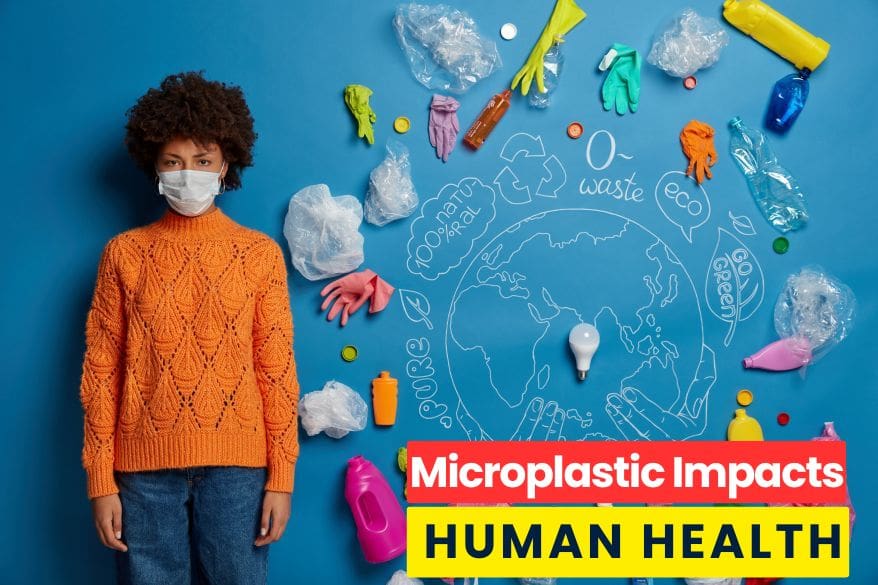
Microplastics (MPs) have become a widespread concern since their discovery in 2004. These tiny plastic particles less than 5 mm in size are found everywhere—from ocean depths to the summit of Mount Everest. Scientists now reveal the Microplastics Impact on Human Health could be more serious than once thought, especially their links to neurodegenerative diseases.
The Rising Concern of Microplastic Pollution
Scientists first discovered MPs in the environment, and now, evidence shows the microplastics impact on human health. Reports estimate that an average adult ingests up to 121,000 microplastic particles yearly. These tiny plastics occur in foods, beverages, and even the air we breathe.
The persistence of MPs is troubling because the human body struggles to eliminate all of them. While over 90% may be expelled naturally, the remaining particles can stay for years within tissues.
Sources and Types of Microplastics Exposure
Microplastics come from diverse sources like degraded plastic waste, synthetic clothing fibers, and personal care products containing microbeads. They measure less than 5 millimeters in size but can be as small as a few microns.
Various forms include plastic fragments, paint flakes, microfibers from clothes, and tiny rubber particles from tire wear. Primary MPs are manufactured small for specific uses; secondary MPs break down from larger items due to weathering.
The Invisible Journey Inside Our Bodies
Humans ingest MPs mainly through seafood and contaminated water. Inhalation also contributes significantly due to airborne particles found indoors and outdoors. Once inside the body, studies confirm that microplastics impact on human health as microplastics can enter the bloodstream and travel throughout organs.
A key concern is their ability to cross biological barriers such as the blood-brain barrier (BBB). This means MPs might reach the central nervous system (CNS) where they could interfere with brain function.
Microplastics Impact on Human Health
Recent research reveals MPs may enter the brain by crossing the blood-brain barrier (BBB). Once inside, they could trigger inflammation, oxidative stress, and disrupt crucial cell functions. This disturbance may lead to diseases like Alzheimer’s disease (AD) and Parkinson’s disease (PD).
Alzheimer’s disease, known for amyloid-beta plaques and tau protein tangles in brain tissue, affects millions globally. The presence of MPs might aggravate these pathological changes by promoting protein misfolding or damaging neurons directly.
Effects on Brain Health: Alzheimer’s and Parkinson’s Disease
The impact of microplastics on neurological health remains under investigation but shows alarming signs.
Weathered microplastics induce stronger inflammatory responses in brain cells, noted a recent study.
This suggests the Microplastics Impact on Human Health may contribute to oxidative stress and inflammation linked with disorders like Alzheimer’s disease (AD) and Parkinson’s disease (PD). Both conditions involve protein misfolding and neuron damage aggravated by toxic exposures.
The Global Burden of Neurodegenerative Diseases
Dementia affects over 57 million people worldwide; AD accounts for most cases. These illnesses cause progressive neuron loss leading to memory loss and motor dysfunction. PD currently affects millions globally with rising numbers expected as populations age.
The link between environmental toxins like microplastics adds urgency to studying how daily exposure increases risk factors for these severe illnesses.
Tackling Microplastic Pollution: What Can We Do?
The path forward involves reducing plastic waste release into ecosystems by improving material use cycles. Innovations in product design can lower fiber shedding during laundry or create biodegradable alternatives. Awareness campaigns encourage
Additionally, to stay updated with the latest developments in STEM research, visit ENTECH Online. Basically, this is our digital magazine for science, technology, engineering, and mathematics. Also, at ENTECH Online, you’ll find a wealth of information.
Reference
- Siu, A. C. W., Paudel, K. R., Singh, G., Gupta, G., Singh, S. K., Chellappan, D. K., De Rubis, G., Pathak, S., & Oliver, B. G. G. (2025). Do microplastics play a role in the pathogenesis of neurodegenerative diseases? Shared pathophysiological pathways for Alzheimer’s and Parkinson’s disease. Molecular and Cellular Biochemistry. https://doi.org/10.1007/s11010-025-05428-3
- Author
- Latest Posts

Ashwini Kshirsagar holds a graduate degree in Chemistry and a postgraduate degree in Environmental Science from Shivaji University, Kolhapur. With a strong foundation in scientific principles and a creative flair, she blends her expertise in environmental science with skills in technical writing, graphic design, and video editing. Proficient in Adobe software, Ashwini excels at transforming complex scientific concepts into clear, engaging, and visually compelling content. Her unique ability to merge science and storytelling allows her to create impactful communication materials that are both informative and accessible to a wide audience.