Carbon catalysts offer a promising way to transform harmful CO2 emissions into useful fuels and chemicals, advancing sustainable energy solutions.
Carbon Catalysts: Turning CO2 Emissions Into Green Energy Solutions
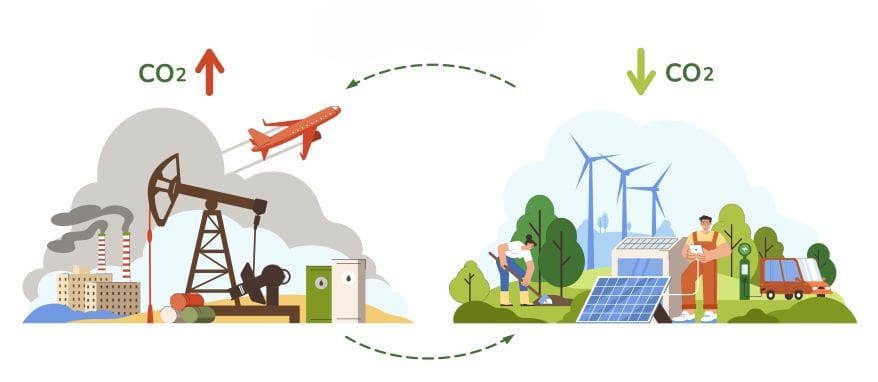
Carbon Catalysts for CO2 Conversion : A Breakthrough in Sustainable Energy Solutions
For decades, carbon dioxide (CO2) emissions have threatened our planet’s health. The environmental damage caused by fossil fuels demands urgent action. One exciting solution involves carbon catalysts for CO2 Conversion . These materials can convert CO2 into valuable chemicals and fuels, reducing pollution and promoting green energy.
How Carbon Catalysts Work in CO2 Conversion
Carbon catalysts serve as active agents that accelerate chemical reactions. Significantly, they avoid the use of rare and expensive minerals like platinum. Instead, these catalysts come from abundant carbon materials such as carbon nanotubes and graphene. Scientists modify these materials by doping them with other elements like nitrogen or phosphorus to activate their catalytic properties.
This activation changes the electrons in carbon structures, creating sites where chemical reactions occur efficiently. As a result, carbon catalysts help transform CO2 into high-value hydrocarbons and nitrogen-containing chemicals. These chemicals are crucial for producing cleaner fuels and environmentally friendly products.
The Role of Carbon Catalysts in Decarbonizing Industries
The use of carbon-based catalysts could revolutionize energy generation and chemical manufacturing. Unlike precious metals, carbon catalysts are low-cost and sustainable. They assist in lowering greenhouse gas emissions while supporting circular economy models that reuse waste materials.
An inspiring quote from Dr. Jane Smith, a leading researcher in this field, states:
The future of sustainable chemistry lies in innovative materials like carbon catalysts that turn pollution into opportunity.
Emerging Technologies Harnessing Carbon for Sustainability
A recent advancement uses CO2 emissions to produce carbon nanotubes cheaply—up to 150 times less expensive than traditional methods. This breakthrough not only reduces production costs but also integrates CO2 recycling directly into manufacturing processes.
Also Read : https://entechonline.com/catalysts-of-change-how-chemical-catalysts-are-fueling-a-greener-future/
Challenges and Future Directions for Carbon Catalyst Development
Despite promising results so far, challenges remain to optimize catalyst designs for industrial scale applications. Scientists continue exploring atomic-level structures to improve both performance and selectivity during reactions.
The ongoing work aims at making clean energy more accessible worldwide while minimizing environmental impacts dramatically.
Additionally, to stay updated with the latest developments in STEM research, visit ENTECH Online. Basically, this is our digital magazine for science, technology, engineering, and mathematics. Also, at ENTECH Online, you’ll find a wealth of information.
Reference
- Xia, Z., Jin, H., Zheng, Y., Jiao, Y., Qiao, S., Gunawan, D., Daiyan, R., Amal, R., Lawson, T., & Dai, L. (2025). Carbon catalysts for CO 2 conversion: From carbon emissions to zero-carbon solutions. https://doi.org/10.1126/sciadv.ady9164
- Author
- Latest Posts

Ashwini Kshirsagar holds a graduate degree in Chemistry and a postgraduate degree in Environmental Science from Shivaji University, Kolhapur. With a strong foundation in scientific principles and a creative flair, she blends her expertise in environmental science with skills in technical writing, graphic design, and video editing. Proficient in Adobe software, Ashwini excels at transforming complex scientific concepts into clear, engaging, and visually compelling content. Her unique ability to merge science and storytelling allows her to create impactful communication materials that are both informative and accessible to a wide audience.