Discover how CAD engineering in ADAS enables precise digital modeling and virtual prototyping. Explore role of CAD and ADAS in safe vehicles.
Role of CAD engineering in ADAS technology: Roadmap for Future of Safer Vehicles
Estimated reading time: 8 minutes
What is ADAS?
Advanced Driver Assistance Systems (ADAS): The Technology Powering Safer Vehicles
Introduction:
Advanced Driver Assistance Systems (ADAS) represent one of the most transformative advancements in modern automotive engineering. These systems use sensors, cameras, radar, lidar, as well as embedded software algorithms to assist drivers in preventing accidents, improving situational awareness, and enhancing driving comfort.
ADAS is the foundation for autonomous driving technologies and is now standard in many mid-range as well as premium vehicles.
What are Core ADAS Technologies?

Modern ADAS integrates:
- Radar sensors
- Camera-based vision systems
- LiDAR (in advanced systems)
- Ultrasonic sensors
- ECU-based processing units
- AI/ML-based object detection
These systems continuously analyse:
- Lane position
- Vehicle speed
- Obstacle distance
- Pedestrian detection
- Driver behavior.
What are Engineering Challenges in ADAS Development?
Developing ADAS systems involves:
- Real-time sensor fusion
- High-speed data processing
- Functional safety compliance (ISO 26262)
- Redundancy validation
- Fail-safe mechanisms
- Vehicle integration complexities
Manufacturers must balance:
- Performance
- Reliability
- Cost
- Compliance
What is Global Regulatory Influence of ADAS?
Regulatory pressure is accelerating deployment of ADAS.
- Europe mandates advanced braking systems in new vehicles.
- The US NHTSA promotes AEB adoption.
- Many countries now incentivize ADAS-equipped vehicles.
What is Future of ADAS?
Within the next decade, ADAS will be standard in nearly all production vehicles. ADAS is evolving toward:
- Level 2+ autonomy
- Highway autopilot systems
- AI-enhanced driver monitoring
- Vehicle-to-vehicle communication
What are Common Vehicle Sensors (With Function)?
- Front Radar – Adaptive cruise control & collision detection
- Rear Radar – Blind-spot monitoring & rear cross-traffic alert
- Front Camera (Windshield) – Lane-keeping assist & traffic sign recognition
- Rear Camera – Parking assistance & reversing view
- Side Radar – Blind-spot detection
- Rain Sensor – Automatic wipers
- Wheel Speed Sensors – ABS & traction control
- Ultrasonic Sensors (Bumpers) – Parking distance detection
- LiDAR (on some advanced vehicles) – 3D environment mapping
What are ADAS Architecture Layers?
1. Sensor Layer Collects raw environmental & vehicle data:
- Cameras (vision)
- Radar (distance & velocity)
- LiDAR (3D mapping)
- Ultrasonic (short-range parking)
- GPS/IMU (position & motion)
2. Interface Layer Handles:
- Signal conditioning
- Analog-to-digital conversion
- Communication buses (CAN, LIN, Automotive Ethernet)
3. Processing Layer (ADAS ECU) Performs:
- Sensor fusion
- Object detection
- Lane detection
- Mapping & localization
4. Decision Layer
- Path planning
- Obstacle avoidance
- Adaptive cruise logic
5. Control Layer Sends commands to:
- Brake system
- Steering actuator
- Powertrain/motor controller
How CAD Technology is Contributing in ADAS?

Pioneering a Safer Future with CAD in ADAS
As vehicles become smarter, the integration of CAD technology into advanced driver assistance systems is revolutionizing automotive design. Specifically, CAD’s ability to deliver precise 3D models and simulations is transforming how engineers approach safety features and vehicle performance. Furthermore, these digital environments allow for rigorous testing long before a physical prototype exists. This guide explores how CAD not only enhances design accuracy but also drives innovation in the development of ADAS features that protect drivers and pedestrians alike.
In this section, you’ll discover how using CAD in the automotive field leads to:
- Enhanced Precision: Detailed digital blueprints reduce errors before production.
- Optimized Simulations: Virtual testing of ADAS features particularly helps identify potential issues early.
- Streamlined Collaboration: Improved digital workflows connect design teams, thus ensuring critical safety elements are rapidly refined.
Throughout the article, practical tips and actionable insights reveal strategies for leveraging CAD tools to improve both local and regional automotive projects. By understanding the intersection of CAD technology and ADAS, readers will learn how advanced design methods contribute to safer roads and more reliable vehicle technology. This introduction sets the stage for exploring the transformative role of automation and precision in modern automotive innovation.
Revolutionizing ADAS Development with CAD Precision:
In today’s fast-paced automotive landscape, CAD tools are rapidly transforming how advanced driver assistance systems (ADAS) are designed, tested, and simulated. Engineers now have the power to create highly detailed 3D models of sensors and control systems, ensuring that every component functions seamlessly before even a physical prototype is built. This digital shift not only accelerates innovation but also enhances safety and reliability. By leveraging CAD technology, professionals gain the ability to perform realistic simulations that mimic real-world scenarios.
Key benefits include:
- Rapid Prototyping: Digital modeling enables rapid iterations, reducing development time.
- Enhanced Testing Capabilities: Simulated environments allow for rigorous safety and performance validations.
- Cost Efficiency: Early detection of design flaws minimizes expensive real-world corrections.
These advances have a profound regional impact, especially in technology and manufacturing hubs where innovation drives economic growth. As CAD solutions continue to improve, automotive engineers are better equipped to tackle complex challenges in sensor integration and control system reliability, setting new standards in vehicle safety and performance. Embracing these digital workflows not only streamlines design processes but also fosters a culture of continuous improvement and precision in ADAS development.
Precision Engineering for Safer Roads:
In today’s fast-evolving automotive landscape, computer-aided design (CAD) plays a pivotal role in advancing Advanced Driver Assistance Systems (ADAS). By harnessing the power of CAD, engineers are able to achieve unprecedented levels of precision, ensuring that sensor placements, control algorithms, and structural designs are error-free. This enhanced accuracy minimizes risks on the road, leading to safer driving experiences.
CAD tools also facilitate unparalleled collaboration among multidisciplinary teams. Designers, software developers, and safety engineers work together seamlessly using modern platforms that allow real-time modifications. This collaborative workflow not only accelerates the design process but also ensures that local regulatory standards and environmental considerations are factored into every project. Key benefits include:
- Enhanced Accuracy: Stringent design simulations reduce potential errors during production.
- Streamlined Communication: Collaborative features enable efficient sharing of not only prototypes but also ideas.
- Optimized Efficiency: Faster iterations thereupon translate into improved system responsiveness.
By integrating these strategies, regional automotive hubs can undoubtedly benefit from locally adapted solutions that propel ADAS innovations forward. Consequently, adopting CAD-driven techniques ultimately supports the continuous evolution of smarter, more reliable road safety features.
Real-World Breakthroughs: CAD Transforming ADAS
Advanced CAD technology is revolutionizing how engineers tackle the challenges of Advanced Driver Assistance Systems. By leveraging high-fidelity 3D modeling and dynamic simulation tools, professionals can develop and test ADAS components in virtual environments that closely mimic real-world driving conditions. In several ground-breaking case studies, CAD-enabled simulations have refined sensor fusion, optimized module placement, and enhanced system responsiveness under diverse scenarios encountered in busy metropolitan areas.
Notable achievements include:
- Precision Modeling: Engineers simulate vehicle dynamics and environmental interactions in order to enhance sensor accuracy.
- Iterative Prototyping: Rapid virtual prototyping cuts down on costly physical tests; as a result streamlines design adaptations.
- Risk Mitigation: Early detection of potential design faults improves overall safety and responsiveness of the system.
These practical implementations illustrate how CAD tools empower teams to pre-emptively address critical issues, reduce development cycles, and foster innovative solutions in ADAS design. As automotive research centers and engineering hubs continue to adopt CAD technologies, the ongoing breakthroughs not only transform vehicle safety features but also set a new benchmark for the integration of next-generation driver assistance systems.
FAQs: CAD Engineering in ADAS
What role does CAD Engineering play in ADAS development?
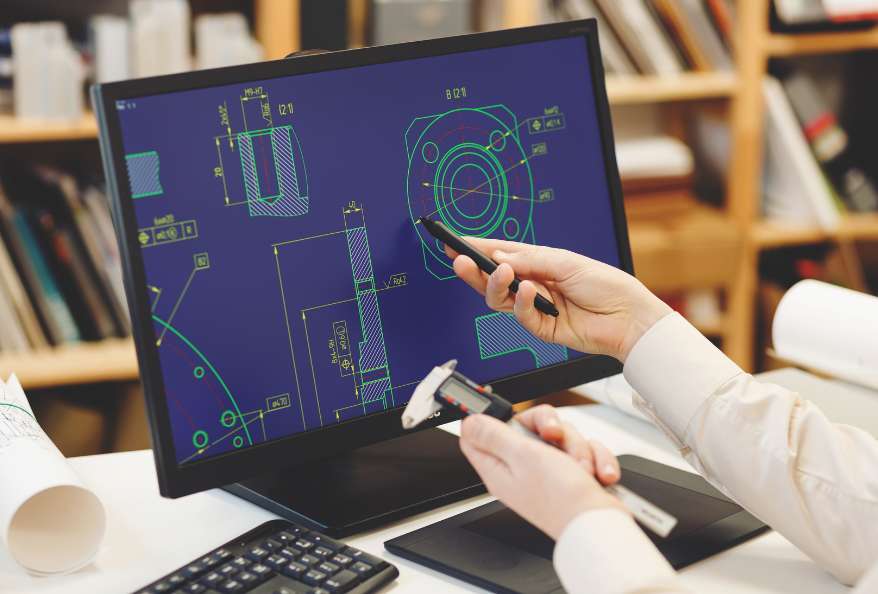
CAD engineering is pivotal in accurately designing and simulating critical ADAS components. By creating detailed 2D drawings and 3D models, engineers can visualize sensor placements, electronic control units, and safety mechanisms with clarity.
How does CAD technology enhance sensor integration?
With advanced CAD simulation, designers optimize sensor arrays and camera orientations, ensuring robust object detection. This results in safer, more reliable advanced driver assistance systems.
In what ways does CAD engineering streamline ADAS prototyping?
CAD expedites the creation of digital prototypes, allowing engineers to test and refine ADAS designs quickly. This iterative process minimizes costly revisions and supports agile development.
How does CAD engineering contribute to overall ADAS safety?
By enabling precise measurements and stress analyses, CAD engineering reduces design errors, as a result making ADAS safer. Engineers can foresee potential issues and adjust designs to enhance safety as well as reliability on the road.
What challenges can local engineers expect with CAD in ADAS?
Regional professionals may face integration challenges due to varying traffic conditions and regulations. However, leveraging CAD tools for tailored simulations ensures designs meet specific local demands.
What does the future hold for CAD engineering in ADAS innovation?
As CAD software evolves, we can expect expect enhanced simulation capabilities, real-time collaboration, and improved integration with emerging technologies. These advancements promise smarter, safer driving solutions for urban and rural areas alike.
CAD Engineering in ADAS Technology: Conclusion
Driving Safety and Innovation in Automotive Design is certainly important. Embracing CAD engineering in ADAS technology surely empowers the evolution of advanced driver assistance systems, providing a strong foundation for enhanced safety and improved driving convenience. Throughout this guide, we have seen how precise digital modeling and real-time simulations in CAD streamline design iterations and subsequently contribute to safer vehicle systems. This technology not only amplifies the accuracy in predicting potential design flaws but also accelerates the integration of innovative safety features that respond swiftly to changing road conditions. It includes:
- Precision Engineering: CAD tools enable detailed modeling of vehicle components, ensuring every system is optimized for safety.
- Enhanced Simulation: Virtual prototyping helps identify issues early in the design process, reducing real-world risks.
- Efficient Iterations: Accelerated design cycles facilitate quicker updates to safety protocols and assistive technologies.
For practitioners, local engineers, and also automotive designers, integrating advanced CAD solutions is a pivotal next step. Consider investing in top-tier software and continuous training programs to stay ahead. All in all, harness these insights to drive community safety, innovate responsibly, and build a smarter transportation future.
Additionally, to stay updated with the latest developments in STEM research, visit ENTECH Online. Basically, this is our digital magazine for science, technology, engineering, and mathematics. Further, at ENTECH Online, you’ll find a wealth of information.
Reference:
- Ronchi, L., Annicchiarico, C., & Capitani, R. (2025). Development, Testing, and Validation of ADAS L2/L3 Systems: A KPI-Based Methodology. The 53rd Conference of the Italian Scientific Society of Mechanical Engineering Design, 38. https://doi.org/10.3390/engproc2025085038
- https://paramtechsoft.com
- Hunde, B. R., & Woldeyohannes, A. D. (2022). Future prospects of computer-aided design (CAD) – A review from the perspective of artificial intelligence (AI), extended reality, and 3D printing. Results in Engineering, 14, 100478. https://doi.org/10.1016/j.rineng.2022.100478
- Author
- Latest Posts

Mr. Prashant More, the founder of PTS (Paramtechsoft) is mechanical engineering graduate having 21+ years experience of CAD design, Product lifecycle management, Product research & development.
He has worked in Automobile, Consumer durables and Automation product domains in large bluechip MNCs.
He has diversified experience from small service industries to large own equipment manufacturer (OEM) in mechanical design industries.
He has played various engineering roles from CAD engineer, Senior design engineer, Development manager, in India’s renowned engineering companies like Tata Motors, Onward technologies, Patni Computer Systems etc.