Scientists studied Atlantic salmon to understand water pollution effects in a natural lake. They tracked fish using sensors and compared exposed and control groups. In this case, fish exposed to drug traces swam farther and…
Cocaine Water Pollution Disrupts Atlantic Salmon Space Use
Water may look clean, yet hidden cocaine water pollution effects can harm fish. In this case, scientists found drug traces in lakes. These tiny chemicals changed how fish move. To illustrate, they tracked young salmon in a real lake. The results were clear and strong. Exposed fish swam more and spread farther. In fact, wastewater carries these chemicals into rivers. With this in mind, nature shows clear human impact. In short, this study shows science in daily life.
TL;DR ‘Cocaine Water Pollution Effects’
Hidden cocaine water pollution effects can harm fish, even when water looks clean. In this case, scientists found drug traces in lakes and rivers. These tiny chemicals changed how fish move. To illustrate, they tracked young salmon in a natural lake. The results were clear and strong. Exposed fish swam more and spread farther. In fact, wastewater carries these chemicals into rivers. With this in mind, nature shows clear human impact. In short, this study highlights real risks to aquatic life.
Key Takeaways
- cocaine water pollution changes fish movement and behavior .
- Exposed fish swam much farther each week.
- Some fish spread across larger areas.
- A drug byproduct caused stronger effects.
- Science links chemistry with real ecosystems.
What Did Scientists Find?
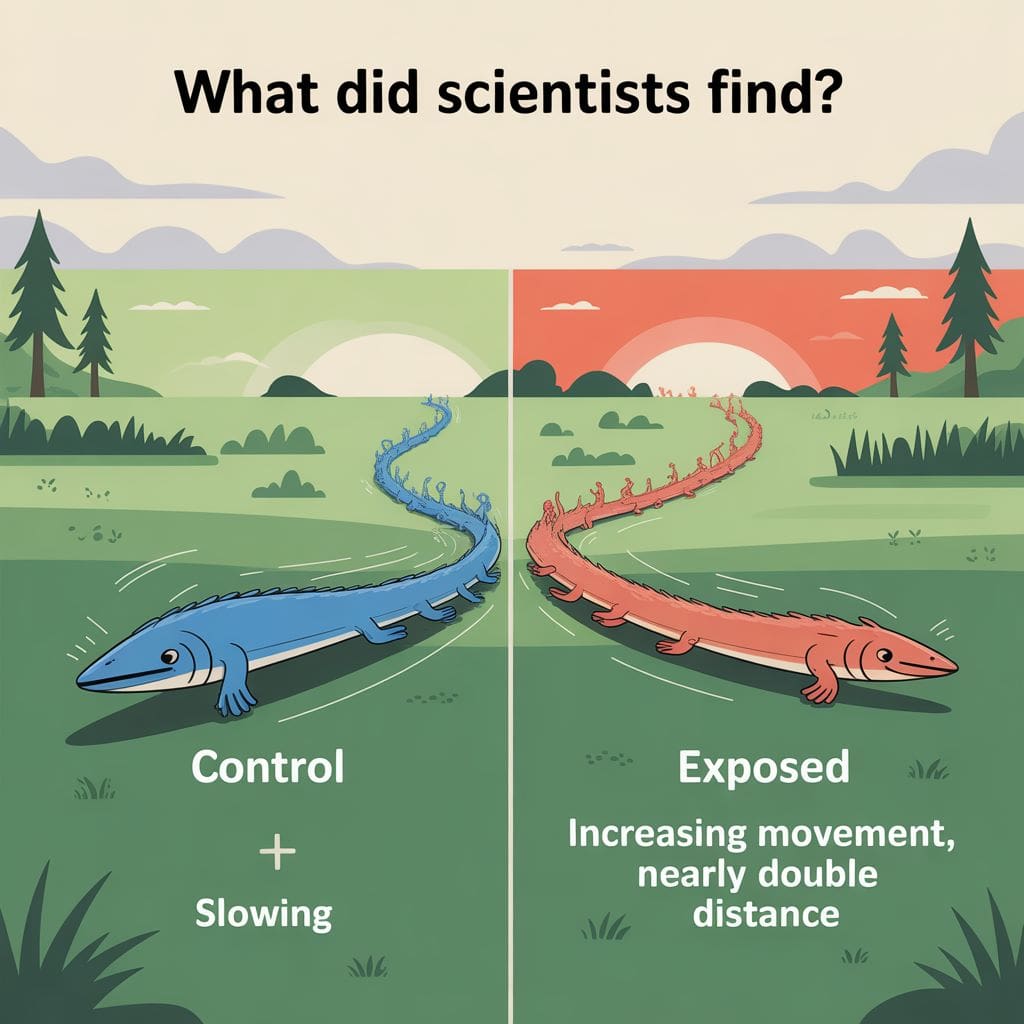
Scientists studied Atlantic salmon in a lake to understand cocaine water pollution effects. In this case, they tracked fish using small sensors. To illustrate, some fish were exposed to drug traces, while others stayed normal as controls. The exposed fish moved more each week. They swam nearly twice as far. Control fish slowed down over time. However, exposed fish stayed active longer. In fact, drugs change brain signals. These signals control how animals move. In short, pollution can change fish behavior.
How Much Did Movement Change?
To illustrate, exposed fish swam longer distances. Their weekly travel increased a lot. Control fish stayed near one area. In contrast, exposed fish kept moving. In the last weeks, the gap grew bigger. This shows effects grow with time.
Why Does This Matter?
In fact, fish movement shapes the ecosystem. It affects feeding and safety. When fish move more, they may face danger. For instance, they may meet predators more often. As a result, survival can drop. Another key point, behavior changes happen before death. This makes pollution harder to notice.
- More movement can raise predator risk.
- Wide travel can change breeding areas.
- Shifts can affect the whole food chain.
These changes may look small. However, they can grow over time. Sooner or later, they affect many species.
What Causes These Changes?
To put it simply, drugs affect the brain. They change signals that control motion. This leads to more activity. In fish, this means more swimming. The study also tested a drug byproduct. It is called benzoylecgonine. This byproduct caused bigger effects.
Why the Byproduct Is Stronger
In general, byproducts stay longer in water. They also stay active in fish bodies. In this study, these fish moved farther. Some spread up to 12.3 km more . This shows higher risk from byproducts.
- Byproducts stay longer in water.
- They can cause strong effects.
- They increase long-distance movement.
Why Students Should Care
At this point, school science meets real life. Chemistry explains how drugs break down. Biology shows how fish react. Environmental science links both ideas. As a matter of fact, this helps protect nature.
Students can use this knowledge in jobs. Careers include ecology and research. In short, science helps solve real problems. It also protects our planet.
Conclusion
In conclusion, drug pollution is a real threat. It changes fish behavior and movement. Even small amounts can have big effects. All things considered, human actions shape water life. With this in mind, better waste systems are needed. Science can guide these solutions.
Frequently Asked Questions
1. What is benzoylecgonine?
Benzoylecgonine is a chemical made when cocaine breaks down. In this case, it enters rivers through wastewater and shows clear cocaine water pollution effects. To illustrate, this substance stays in water longer than the drug itself. In fact, it can affect fish behavior by changing brain signals.
2. How do drugs reach rivers?
Drugs reach rivers through human use and waste. In this case, people excrete drug residues that enter sewage systems. To illustrate, treatment plants often fail to remove all chemicals, causing clear cocaine water pollution effects. In fact, these traces flow into rivers and harm aquatic life.
3. Why are fish affected fast?
Fish are affected fast because their bodies absorb chemicals quickly. In this case, water passes over their gills, causing strong cocaine water pollution effects. To illustrate, drugs enter the bloodstream and reach the brain fast. In fact, this changes behavior and movement in a short time.
Reference
Brand, J. A., Palm, D., Cerveny, D., Michelangeli, M., Bose, A. P. H., McCallum, E. S., Hellström, G., Fick, J., Brooks, B. W., Brodin, T., & Bertram, M. G. (2026). Cocaine pollution alters the movement and space use of Atlantic salmon (Salmo salar) in a large natural lake. Current Biology, 36(8), 2018–2027. https://doi.org/10.1016/j.cub.2026.03.026
- Author
- Latest Posts

I completed my Master of Science from the University of Allahabad in 2017 with a strong academic background in life sciences and chemistry. My specialization included Molecular Biology, Microbiology, Genetics, Plant Breeding, Phycology, Paleobotany, and Bioinformatics, along with Organic Chemistry, Inorganic Chemistry, and Physical Chemistry. This multidisciplinary training provided me with a comprehensive understanding of biological systems and analytical scientific approaches.
After completing my postgraduate studies, I gained valuable professional experience in both the education and social development sectors. I worked at A.M. Oxford Public School, where I was actively involved in guiding students toward academic excellence. In this role, I focused on creating an engaging learning environment, encouraging critical thinking, and nurturing students’ curiosity for scientific learning. My experience as an educator strengthened my communication, mentoring, and classroom management skills.
In addition to my teaching experience, I worked with Jeevan Jagriti Foundation, where I contributed to community-based initiatives aimed at improving educational access and awareness among underprivileged sections of society. Through this work, I participated in programs designed to support social development and promote the value of education in marginalized communities.
These professional experiences helped me develop strong interpersonal, leadership, and organizational skills while reinforcing my commitment to education and community service.