Author: Nida E Falak
Nida e Falak
Role: Assistant Professor of Biotechnology | Science Communicator | Author
Institution: Khalsa College, Patiala
Education: Master's in Biotechnology, Delhi Technological University (DTU)
Writing Focus: Cutting-Edge Medical Research, Neurobiology, Personalized Medicine, Cellular Mechanisms
Published Topics: Neurobiology of the Placebo Effect | Gut-Brain Axis | Personalized Precision Medicine | Autoimmunity & Cancer Development
Publication: Author, ENTECH Magazine
Subject Expertise: Biotechnology, Neurobiology, Gut-Brain Axis, Placebo Effect, Precision Medicine, Immunology, Cancer Biology, Cellular Mechanisms, Medical Research, and Science Communication.
Short Bio
Nida e Falak is an Assistant Professor of Biotechnology at Khalsa College, Patiala, and an avid science communicator dedicated to making complex biological sciences accessible and engaging. She holds a Master's degree in Biotechnology from Delhi Technological University (DTU). With a deep academic background in biotechnology and life sciences, Nida's writing covers cutting-edge medical research and physiological systems. Her published work explores topics such as the neurobiology of the placebo effect, the gut-brain axis, personalized precision medicine, and the cellular mechanisms behind autoimmunity and cancer development. As an author for ENTECH Magazine, Nida bridges high-level biomedical research with clear, intuitive science storytelling — fostering curiosity and deepening public understanding of life sciences and human health.Extended Bio
Nida e Falak believes that the most exciting science is happening at the frontiers of biology and medicine — and that everyone deserves to understand it. She is an Assistant Professor of Biotechnology at Khalsa College, Patiala, and a dedicated science communicator who translates complex biomedical research into stories that inform, inspire, and empower.She holds a Master's degree in Biotechnology from Delhi Technological University (DTU), one of India's leading technical institutions, where she built a strong foundation in the molecular and cellular sciences. That foundation informs every piece she writes: she does not simplify by sacrificing accuracy, but by finding the clearest way to express complex ideas without distortion.Her writing covers some of the most fascinating and rapidly evolving areas of medical research. She has explored the neurobiology of the placebo effect — the phenomenon where belief alone can produce real physiological changes — revealing what brain science tells us about the power of expectation and context in healing. She has written about the gut-brain axis, the bidirectional communication network between the digestive system and the central nervous system that is reshaping our understanding of mental health, metabolism, and immunity. She has examined personalized precision medicine, the shift from one-size-fits-all treatments to therapies tailored to an individual's genetics, environment, and lifestyle. And she has delved into the cellular mechanisms behind autoimmunity and cancer development, explaining how the body's own cells can turn against it — and what researchers are doing to intervene.What unites these topics is a focus on the borderlands of medical knowledge — the places where new discoveries are challenging old assumptions and opening up new possibilities for treatment. Nida writes about science that is still unfolding, giving her readers a front-row seat to the process of discovery.As an author for ENTECH Magazine, she writes for the student exploring a career in biomedical research, the healthcare professional seeking to understand emerging science, the patient or caregiver trying to make sense of a diagnosis, and the curious reader who wants to understand the biology of their own body.Primary Beats
- Neurobiology & Brain-Body Connections: The neuroscience of the placebo effect and mind-body interactions; the gut-brain axis and its implications for mental and physical health; how the nervous system communicates with the immune, endocrine, and digestive systems.
- Personalized & Precision Medicine: The shift from population-based to individualized treatment; genomics, proteomics, and other -omics technologies in clinical practice; the promise and challenges of tailoring therapies to patients; case studies in precision oncology and pharmacogenomics.
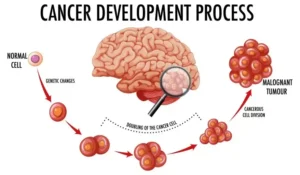
- Immunology, Autoimmunity & Cancer Biology: The cellular and molecular mechanisms of immune system function; how autoimmunity develops and what can be done about it; the biology of cancer: from genetic mutations to tumor progression; emerging immunotherapies and targeted treatments.
- Science Communication & Public Understanding of Research: Making complex biomedical research accessible without dumbing it down; the art of science storytelling for general audiences; building public trust in science through clear communication; the responsibility of scientists to share their work beyond academic journals.